GECs
5 million cable TV subscribers cut the cord during Covid2019

KOLKATA: The lockdown and its lack of content on television seem to have had an impact on viewers. About 4.5 to five million subscribers have gotten off TV and DTH services since lockdown started. Additionally, several others have downgraded their subscription packages. Coupled together, they have held back revenue income for companies.
Star and Disney India distribution and international business president and head Gurjeev Singh Kapoor shared the numbers in a webinar hosted by Indiantelevision.com. Kapoor attributed the loss to two reasons – one is commercial establishments cutting the cords and the other is migrants returning home. While he agreed that loss of subscribers coupled with the downgrading of packs led to a revenue loss, he is confident that the ecosystem is in a position to get those consumers back, especially when the economy opens fully.
Even though subscribers left or changed packs, the existing viewers provided more eyeballs, most likely because of movies and news keeping them entertained and informed. “During the lockdown, we had 1.2 trillion minutes a week which was the number during the month of April and May and prior to that 0.9 trillion was during January, February. The average time an individual was spending before the lockdown was closer to 20 hours and after lockdown, the number of hours was 27. Television became a good mode of entertaining,” he said.

The first lockdown with its strict rules made it difficult for cable operators to collect subscription even though TV and cable services were provided uninterrupted. The government even classified them as essential services. To help them out, Star India started a digital recharge campaign to help the fraternity. IndiaCast Media Distribution Ltd president Amit Arora also spoke of initiatives like running tickers and scrolls to push subscribers to pay digitally. There were several reports indicating a drastic fall of DPO collection by 40-50 per cent but Arora said it was not down by such a huge number.
The lockdown period has been a boon for OTT platforms that saw a surge in users, motivated by free premium packs. This is likely to be a challenge for television. “The whole set of subscribers which came in March have started trickling away in April. So, now we are more preoccupied with how to take this entire journey forward. The business and revenue have to grow for the entire value chain. The customer is going to be very stingy. This time he has discovered new content on OTT. Is he really going to loosen the purse to hand over money to the traditional platform and broadcasters, these challenges will come as time goes by. It’s more and more partnering between platforms and broadcasters to see us through the entire time of crisis and the bigger challenges that pose ahead of us,” Arora added.




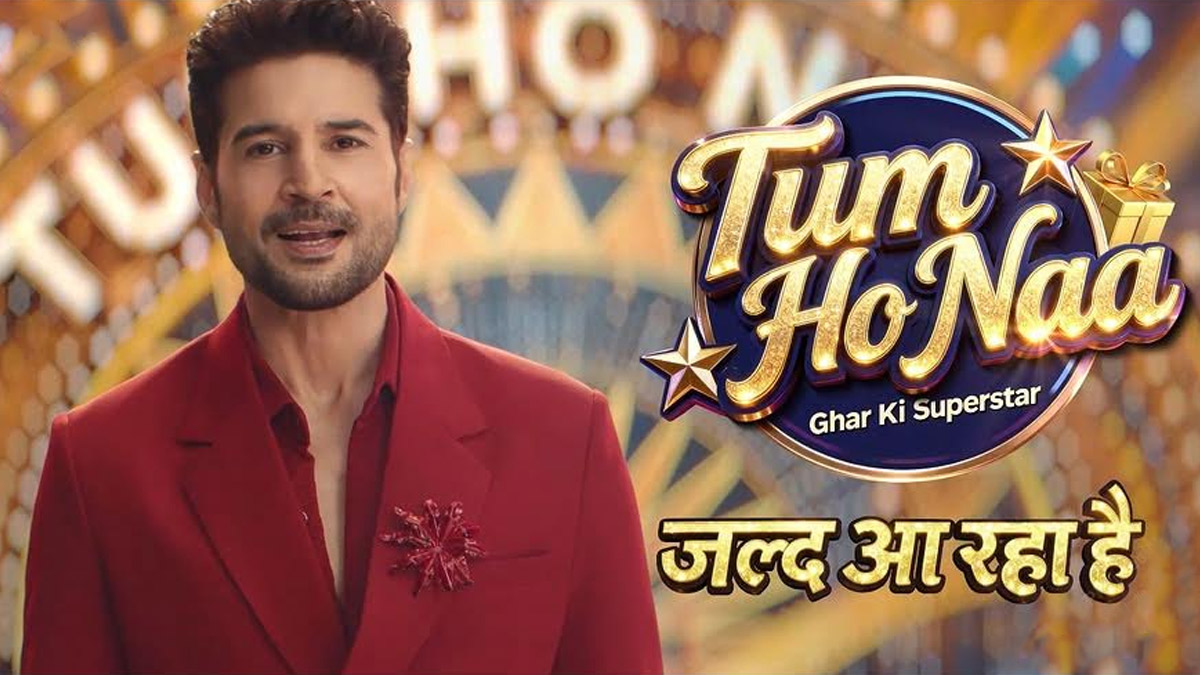
MUMBAI: Lights, camera… connection because this time, the game isn’t just about winning, it’s about who’s with you. Sony Pictures Networks India is gearing up to launch a new reality game show, Tum Ho Naa, expanding its unscripted slate with a format that promises both emotion and engagement.
The show will premiere soon on Sony Entertainment Television and stream on Sony LIV, with Rajeev Khandelwal stepping in as host. Known for his measured screen presence and selective choices, Khandelwal’s return to television adds a layer of familiarity and credibility to the upcoming format.
While specific details of the gameplay remain under wraps, the positioning suggests a reality format that leans as much on emotional resonance as it does on competition, an increasingly popular blend in Indian television, where audiences are gravitating towards content that offers both stakes and storytelling.
Khandelwal, reflecting on his return, noted that his choices have often been guided by instinct rather than convention, describing Tum Ho Naa as a project that feels “close to the heart”. His association also signals Sony’s continued focus on anchoring new formats with recognisable faces who bring both relatability and depth.
The launch comes at a time when broadcasters are doubling down on original non-fiction formats to drive appointment viewing, even as digital platforms expand parallel reach. By placing the show across both linear television and OTT, Sony appears to be aiming for a dual-audience strategy capturing traditional viewers while engaging digital-first consumers.
As the countdown to premiere begins, Tum Ho Naa positions itself not just as another game show, but as a reminder that sometimes, the biggest prize on screen isn’t the jackpot, it’s the journey shared along the way.






