iWorld
4K content, TV and OTT players: Why India needs to take note


MUMBAI: Here’s why Indian OTT players, TV broadcasters and content creators need to take 4K seriously. A new research report Digital TV & Video: Network and OTT Strategies 2016-2021 from Juniper Reseatch has predicted that 4K OTT services will attract over 189 million unique users globally by 2021, up from just 2.3 million this year, driven by greater content availability and compatible devices.
While connected TVs will be the dominant platform, viewership will take place through a range of devices, including smartphones, tablets and PCs.
The report points out that a large part of the adoption will take place in the US, as an increasing amount of viewers there take to 4K internet TV and video content watching taking number of the tribe up to 1 in 10 by 2021 as against the 1 in 500 consuming it, there will be offtake in India too. With the dropping of bandwidth and data costs courtesy telecom price wars, and the spread of 4G LTE, India which is a mobile rich country, should see increasing video – even 4K – being consumed on the go on hand held devices and at home.

The new research found that although YouTube, Netflix and Amazon already offer some 4K video, network providers have been waiting for a critical mass of content to become available before launching their own 4K offer. However, 2016 has seen roll-out of a number of new 4K offerings, such as the launch of the Sky Q 4K service in the UK, coupled with new hardware launches to provide a means of streaming online 4K content.
Indeed, device compatibility in the past has proved to be a significant barrier for online 4K video.
Research author Lauren Foye explained: ‘The popularity of online video has seen the use of set-top boxes from vendors such as Roku and Amazon soar. However, delivery mechanisms for content have seen slower adoption, as the availability of 4K capable streaming devices is limited. New device launches, such as the 4K capable Xbox One S this month, among others, are likely to spur a boost in 4K usage.’
Juniper is cautiously optimistic about the progress of 8K. Whilst there is one commercially available 8K TV currently on the market (priced at $133,000), 8K content is a long way from becoming mainstream. In a similar form to 4K, Juniper sees 8K smart TVs emerging first, followed by streaming devices and set-top boxes, making this a drawn out process.
With Japan seeking to broadcast the 2020 Olympics in 8K, the industry is likely to use this as an opportunity to drive sales of 8K smart TVs. Juniper forecasts that 8K smart TV shipments will grow more than threefold between 2020 and 2021, to reach over 400,000 per annum by the end of the forecast period.







Gaming
MTG gaming chief Benninghoff joins NODWIN board as esports firm primes for IPO
The Gurugram-based esports firm is pursuing a public listing, has returned to profitability and is growing revenues by 42 per cent
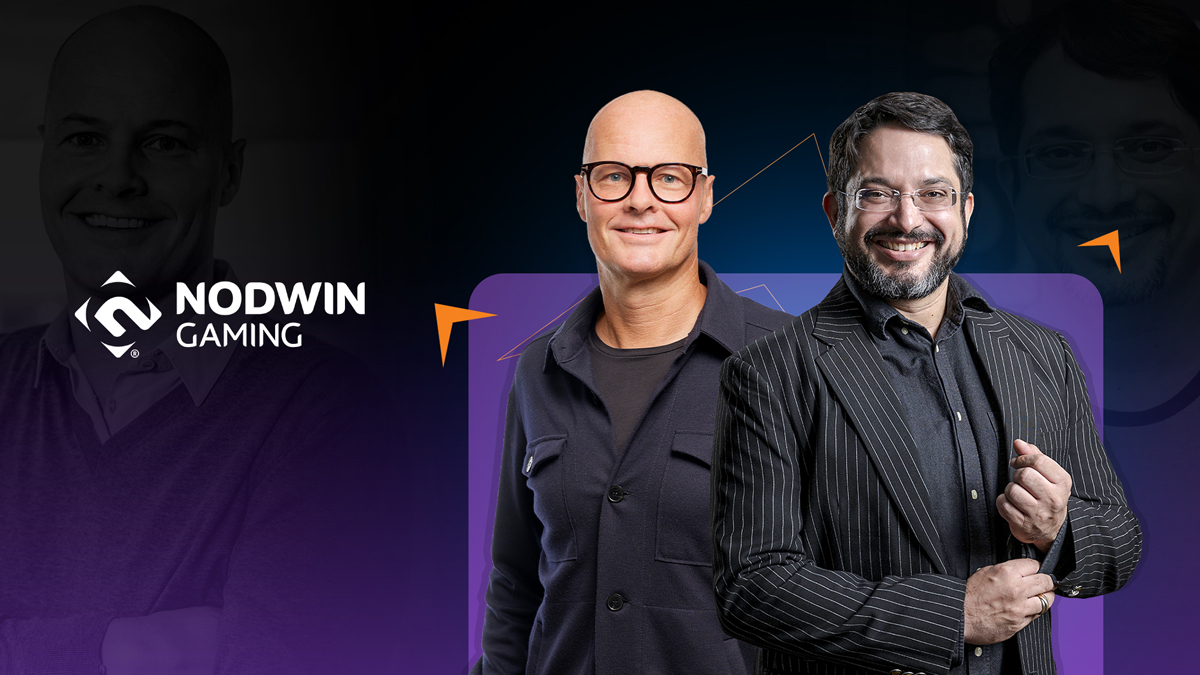
GURUGRAM: NODWIN Gaming is moving fast. The Gurugram-based gaming and esports company has launched a pre-IPO fundraising round, appointed UBS as lead adviser for both the round and a subsequent public listing, and landed a heavyweight board director, all in one go.
The new board member is Arnd Benninghoff, executive vice president of gaming at Stockholm-listed Modern Times Group (MTG), who has overseen the group’s strategic investments and portfolio growth since 2014. He is no stranger to building things: Benninghoff has founded and built fifteen companies, served as chief digital officer at ProSiebenSat.1 Media AG, managing director of SevenVentures, and chief executive of Holtzbrinck eLAB. He began his career as a journalist at Deutsche Presse Agentur and various TV networks, holds a Diplom-Kaufmann in business and administration from the University of Münster, and previously sat on the board of Edgeware AB.
The numbers back the ambition
NODWIN is not pitching a story without substance. The company has returned to EBITDA profitability and posted a 42 per cent year-on-year revenue surge, reaching $58.5m in the first nine months of FY2026. The pre-IPO round will combine a primary issuance to fund global expansion through organic growth and acquisitions, alongside a secondary sale to give existing shareholders some liquidity.
Akshat Rathee, co-founder and managing director of NODWIN Gaming, said Benninghoff understands “the entire lifecycle of the gaming and media ecosystem, from the boots-on-the-ground reality of building startups to the strategic complexity of managing multi-billion dollar global portfolios.”
Benninghoff, for his part, said the company “sits at the intersection of sports, entertainment, and technology, making it one of the most exciting players in the global gaming landscape today.”
A portfolio built for the global south
Founded in 2014 by Rathee and Gautam Virk, NODWIN has quietly assembled one of the more compelling esports portfolios outside the Western hemisphere. Its properties include DreamHack India and Comic Con India, and it recently acquired StarLadder, the Ukraine-based tournament organiser behind premier events in CS:GO and Dota 2. The company also serves as a long-term strategic marketing partner for the Evolution Championship Series (EVO), the world’s most prominent fighting game tournament, helping push it into new geographies.
Its geographic focus spans South Asia, Central Asia, Southeast Asia, the Middle East and Africa. Backers include Nazara Technologies, KRAFTON, Sony Group Corporation, JetSynthesys, and the founders’ investment vehicle Good Game Investments.
What comes next
With UBS running the books, a board freshly reinforced with European media and gaming expertise, and revenue heading in the right direction, NODWIN is laying the groundwork deliberately. The esports industry has burned investors before with big promises and thin margins. NODWIN’s return to profitability, combined with a real portfolio of owned intellectual properties across gaming, music and youth culture, gives it a more credible runway than most. The IPO clock is now ticking.