International
4D formatted films in anvil

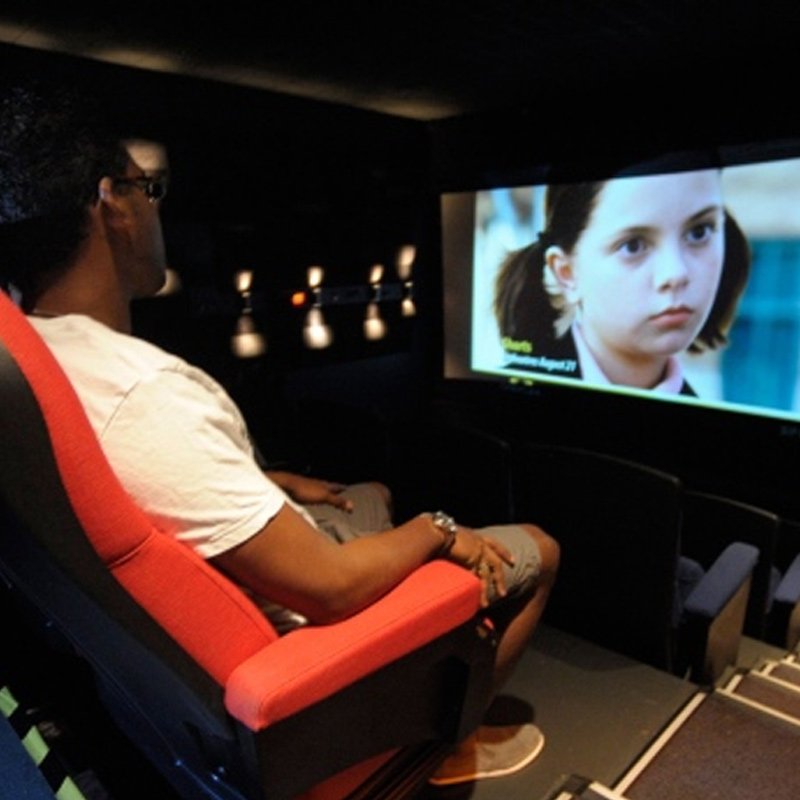
MUMBAI: Ever since the advent of 3D formatted movies, practically every big-budget film is being released in the format, with higher ticket prices boosting the box-office intake.
The latest attempt to move beyond 3D technology has resulted in a new cinematic encounter known as 4-D. The film industry is enthusiastic about the unique theatre- experience that 4D promises to deliver.
CJ Group, a South Korean company that operates Asia‘s largest theater chain, is on the cutting edge of the technology necessary for the display of 4-D movies. The company has 29 specialty theatres that screen blockbuster studio releases such as Avatar, Pirates of the Caribbean: On Stranger Tides and Prometheus.

The group is on the verge of closing a transaction with a nationwide US cinema chain that would create 200 4D theatres over the next five years.
The 4D technology has already been in use in theatres in Thailand, South Korea, and Mexico, and also in some theme parks. One of the company‘s biggest clients is the fourth-largest theater chain, Cinepolis, which recently expanded into Southern California. The company owns a dozen 4D theatres in Mexico.
Company execs project that filmgoers will be willing to pay an additional $8 beyond the cost of mere 3-D just to involve more of their senses while watching their favorite superheroes. CJ set up a lab located close to the famous Grauman‘s Chinese Theater in Hollywood to demonstrate and market its latest system, which it calls 4DX.
This isn‘t the first time that the film industry has tried to bring senses other than sight to film audiences. In 1960 a film titled Scent of Mystery utilised something called ‘Smell-O-Vision‘ which featured 30 different odours that included the smell of flowers, liquor, and gun smoke wafting toward the nostrils of the audience at appropriate times during the screening.
Then, for a film that was released in 1974 titled Earthquake, theatres used a technology called Sensurround that utilised large bass resonating speakers that shook the room with such intensity that Grauman‘s Chinese theatre had to install a safety net to catch falling plaster as the film was shown.
In 1981 John Waters used what is called as Odorama which allowed the audience to smell the cinematic scenes with scratch-and-sniff cards and in 2011 Robert Rodriguez used a similar approach that he referred to as Aromascope.







International
Moskino and Bollywood: Moscow Film Cluster and Film City Mumbai signed a cooperation agreement
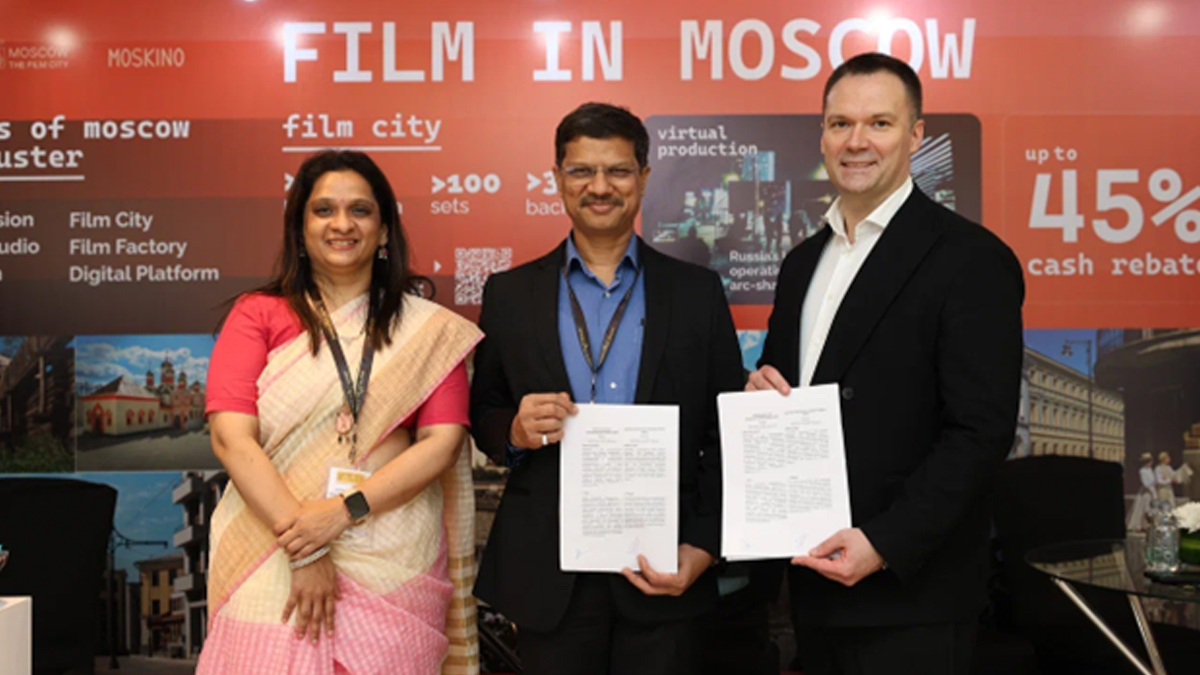
Moscow Film Cluster has signed a cooperation agreement with Film City Mumbai. The parties agreed to cooperate in developing the film industry, promoting shooting locations and supporting filmmakers.
The memorandum was signed on the sidelines of the India International Film Tourism (IIFTC) Conclave in Mumbai. At this forum, the Moscow Film Cluster presented Moscow’s opportunities for film shooting, including infrastructure projects such as Film City Moskino and Film Factory. Special attention was paid to the Moscow rebate system – up to 45% – and the co-production development.
Memorandum of Understanding between the Film City and Moscow Film Cluster provides for the establishment and development of mutually beneficial cooperation in the film industry development, including joint promotion of shooting locations, support for filmmakers, implementation of marketing and industry events, development of incentive support measures and strengthening of economic and cultural interaction between India and Moscow.
The parties also intend to promote the development of the audiovisual sector through the exchange of experience, joint initiatives and the search for opportunities to create new industry partnerships and clusters.
Moscow Film Cluster is a major city initiative led by Moscow Mayor Sergei Sobyanin to develop the capital into a global cinema hub. It brings together key production infrastructure – such as the Moskino Film Сity, Film Factory and Gorky Film Studio – along with the Film Commission, digital platform and cinema chain to streamline shooting, support productions and attract international filmmaking to Moscow.
Also, Moscow offers a rebate of up to 45%: 30% as direct production cost compensation, up to 15% for visa and accommodation support. The Moscow Image Grant provides up to $255,000 for films showcasing iconic city views.
The Moscow Film Cluster booth attracted considerable attention from Indian producers and studios. Over 80 business meetings were held, including those with major Indian companies.
One of the booth guests was the famous Indian actress Khushboo Sundar, known to Soviet and Russian audiences for her role in My Soul and considered the leading star of Tamil cinema, in whose honor one of the local temples was even built. Prithul Kumar, representative of the Indian Ministry of Information and Broadcasting and one of the officials responsible for regulating the film industry in the country, also expressed interest in the development of the Moscow Film Cluster.
One of the highlights of the India International Film Tourism Conclave was the awarding of The Greatest of All Time in the For Cinematic Excellence category. The movie was shot in Moscow. The jury members noted the project’s contribution to the development of tourism.
The shooting of The Greatest of All Time AGS by Entertainment was organized with the assistance of the Moscow Film Cluster and the Moscow Film Commission and took place in April 2024 on the streets of Moscow. The scenes were shot in such famous locations as Patriarch Bridge, Teatralnaya Square, Manezhnaya Square, Kazarmenny Lane, Podsosensky Lane, Nikolskaya Street and one of the festival venues of Moscow Seasons.
The Greatest of All Time became a landmark event in Indian box office history. It ranked fourth in box office earnings among all movies released in India in 2024 and is one of the most successful Tamil-language movies in history.
At the same time, the shooting of another joint Russian-Indian movie started at the Moskino Film City in Moscow. A film project dedicated to badminton became one of the first participants in the Moscow rebate program.
A project by Smena & WISH Media (Russia) and Kartina Entertainment And Sports Private Limited (India) will tell the story of a badminton player who travels to India with the Russian national team to compete in a tournament. Russian viewers will see for the first time the scale of sporting competitions in Asia, where badminton is a cult sport and draws packed stands of fans.
The agreement on the joint production of the Smash movie was signed st the Moscow International Film Week in August 2025. And as Moscow Mayor Sergei Sobyanin said, a rebate application was also submitted at that time to reimburse part of the costs incurred during the shooting process in the Russian capital.








