e-commerce
40 per cent increase in D2C festive sales as early trends show strong start – Gokwik report

Mumbai: GoKwik anticipates a significant 40 per cent increase in sales during the upcoming festive period driven by a resilient Indian economy, the rise of aspirational Generation Z consumers, and the emergence of direct-to-consumer (D2C) brands.
According to data from GoKwik’s network, which includes over 4000 direct-to-consumer (D2C) brands, there has been a 38 per cent increase in Gross Merchandise Value (GMV) and a 49 per cent rise in orders in July compared to June of this year. This early spike suggests that the festive shopping season has begun earlier than usual and is being driven by online shopping.
This year, with more shoppers adopting a direct-to-consumer (D2C) approach, an increasing number of Gen Z individuals entering the workforce with disposable income, and a growing emphasis on aspirational purchasing of premium products, GoKwik anticipates a 40 per cent increase in orders during the festive season.
Last year, brands on the GoKwik network experienced a 34 per cent uplift in GMV and a 38 per cent increase in orders. The brands continued to showcase a boost in order volume even as major marketplaces were running concurrent sales.
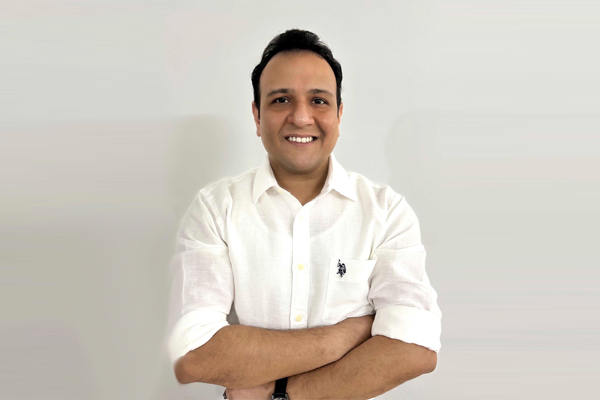
“As we enter the festive season, we are witnessing an early surge in consumer activity, which is a promising sign for the industry,” said GoKwik co-founder & CEO Chirag Taneja. “The shift towards D2C brands is becoming more pronounced, with consumers valuing the direct connection, personalised experiences, and unique offerings these brands provide. At GoKwik, we are committed to supporting this growth by ensuring that brands can meet the increasing demand while minimising challenges like RTO. We are excited to see how this festive season unfolds and are optimistic about the continued rise of D2C in India’s eCommerce landscape,” he added.
D2C brands now see little to no impact on their sales when major marketplaces run simultaneous sales. Last year, brands in the GoKwik network also witnessed a 52 per cent surge in sales during the significant marketplace sales, suggesting eCommerce brands have now become inert to these sale periods. The market is deepening, and shoppers show a positive sentiment toward D2C brands.
Return to Origin (RTO) rates, a critical metric for eCommerce success, saw a seven per cent decrease across GoKwik’s network last year. This year, the company expects this improvement to double, driven by brands becoming more vigilant in understanding customer intent and enhancing communication through multiple channels.
Over 900,000 orders were RTOed last year, with the highest rates observed in Manipur (36%), Bihar (28%), and Arunachal Pradesh (28%). Specific pin codes, such as 782122 in Nagaon district, Assam, 321204 in Bharatpur district, Rajasthan, and 852138 in Saharsa district, Bihar, saw the highest RTO rates, with an average of 72 per cent of orders being returned before delivery.
Notably, the most popular price points for COD (Cash on Delivery) orders ranged between Rs 900- Rs 1500 and above, while prepaid orders were concentrated in the Rs 400-800 range.
This indicates that while Indian consumers are becoming more comfortable with online shopping, caution remains, particularly for high-value items, where COD continues to be a preferred payment method. To address this, D2C brands are focusing on building trust through robust communication channels, product updates, a seamless online shopping experience, and further measures to enhance customer service.
Tier 3 cities emerged as significant contributors during last year’s festive season, accounting for nearly 40% of total orders. This trend will continue this year, with markets and internet penetration deepening in these regions.
Additionally, Average Order Value (AOV) is projected to grow by 12-15% this festive season, driven by bundle offers, a focus on premium products, and increased gifting. Aspirational buying is rising, particularly in Tier 3 cities, where consumers increasingly spend on higher-end products, facilitated by more accessible payment modes such as Buy Now, Pay Later (BNPL) options and credit facilities.
“India has always shown a consumption trend unique to the peninsula. Despite the global economic slowdown, India continues to show an upward trend in spending owing to increasing disposable income across the country, including tier 3,4 cities and towns. With the heterogeneous market in India, D2C brands cater to every distinct preference and niche, which has further increased consumption. This trend will continue to rise,” Chirag Taneja added.
Last year, the top-performing categories during the festive season were Fashion, Beauty and Personal Care, and Electronics. However, the most significant growth in the number of orders was in beauty accessories (50%) and fashion (36%). The top products purchased during the festive period included candle holders, hair growth serums, watches, and perfumes. The trend is expected to continue.