News Headline
2011: Pure music, regional key trends 9X Media head – New Business Punit Pandey

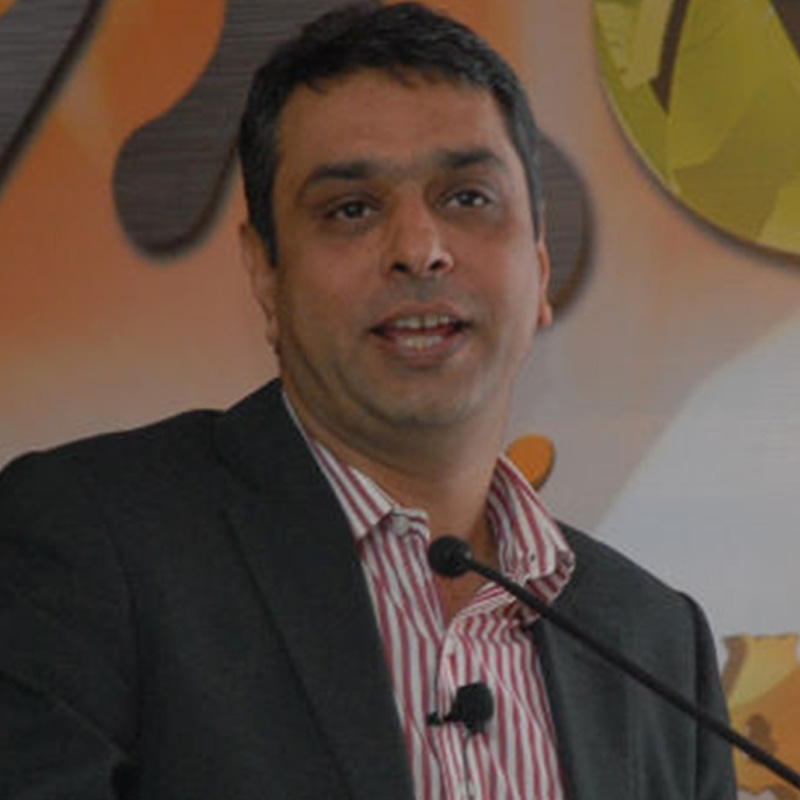
If a picture is worth a thousand words, music is worth millions and the year 2011 helped the industry to generate multi-millions. Year 2011 can be called the year of growth for the music channels. And it is Bollywood that provided some of the most popular numbers to the music television industry in India, which has 49 channels in the genre and is way ahead of other media markets across the world.
The Hindi music category operates at approximately 245 GRPs and Rs 3.92 billion. From year 2010 there were two distinct categories of music channels seen in the country, the ones that focused more on non music content than music and the ones that focused on pure play music content like 9XM. These Pure Music channels contribute 48 per cent of Hindi music GRPs and 36 per cent of revenue for the genre.
One of the main reasons for the growth of this genre was the advent of so many new players in this space. With just 10 music channels in 2010, today we have at least 14 channels concentrating on the music genre. The music genre share in the year 2011 increased from 2.5 per cent to 4.2 per cent. This increase of the absolute channel shares can be attributed to trends which were seen prominently in the year 2011.

The music genre has traditionally been highly fragmented and characterised by low viewership. To hold viewer interest and differentiate themselves, channels keep innovating their programming and content. Continuing from last year, music is no longer the mainstay of music channels. The year 2011 saw these channels experimenting with content and positioning appeal to the audiences. These experimentations included large format reality based shows being launched on channels to expand their viewer base.
However, the format that has stood the test of time and gets the viewers hooked on was sticking to simple and pure music content. Hence 2011 saw channels returning back to the roots and concentrating on playing pure music as they realised that viewers tune in to music channels for music and not for reality shows which they can watch on GECs.
Another major trend seen in the year 2011 was the growing importance of the regional markets – Regionalisation of media. Regional channel revenues across all genres are growing at 26 per cent (YOY across Year 2006 – 2010). The revenues recorded for year 2010 was Rs 42 billion across all genres.
Taking cognizance of the potential of these regional markets, 2011 saw launches specifically made for these regions. We at 9X Media Group forayed into this space with the launch of our very first regional music channel 9X Tashan – a Punjabi music channel that rules the charts and has been the No.1 channel in the space since the very first week of its launch. We also launched 9X Jhakaas – India‘s very first Marathi music channel in 2011.
The advent of social media and digitalisation has also extended the reach of the channels. Digital platforms and social media have changed the way media is consumed and 2011 saw channels increasingly experimenting with various online strategies and use of social media tools to connect and interact with their target audiences. The content provided on the channel is developed keeping the online viewers in mind and this has been tremendously appreciated by viewers and online users. Today Bollywood music premieres simultaneously on YouTube and On air – that‘s how important this platform is today.
2011 saw the advent of Mobile TV – the on the move television and with the technological developments like 3G, these platforms have created the larger reach for the music channels and helped the viewers consume content on the move. 9XM is the first music television channel to have a live streaming facility of its on-air content on the official website – www.9xm.in. In fact, we have also extended the live streaming facility across our regional channels – 9X Tashan and 9X Jhakaas.
Given the interactive ability of the medium to provide direct access to consumers going forward, we see media companies and advertisers leverage this platform to understand consumer behaviour and influence their choices. Content consumption will no longer be restricted to television sets and 2012 will witness a substantial increase in the consumption of music via You Tube and other online sites and via Mobile TV.
Content development for the regional audiences and focus on innovation of content is another trend that will be seen gaining importance in the upcoming year.




NEW DELHI: Hamdard Laboratories gathered a cross-section of India’s achievers in New Delhi on Friday, handing out the Hakeem Abdul Hameed Excellence Awards to figures who have left their mark across healthcare, education, sport, public service and the arts.
The ceremony, attended by minister of state for defence Sanjay Seth and senior officials from the ministry of Ayush, celebrated individuals whose work blends professional success with a sense of public purpose. It was as much a roll call of achievement as it was a reminder that influence is not measured only in profits or podiums, but in people reached and lives improved.
Among the headline awardees was Alakh Pandey, founder and chief executive of PhysicsWallah, recognised for turning affordable digital learning into a mass movement. On the sporting front, Arjuna Awardee and kabaddi player Sakshi Puniya was honoured for her contribution to the game and for pushing women’s participation onto bigger stages.
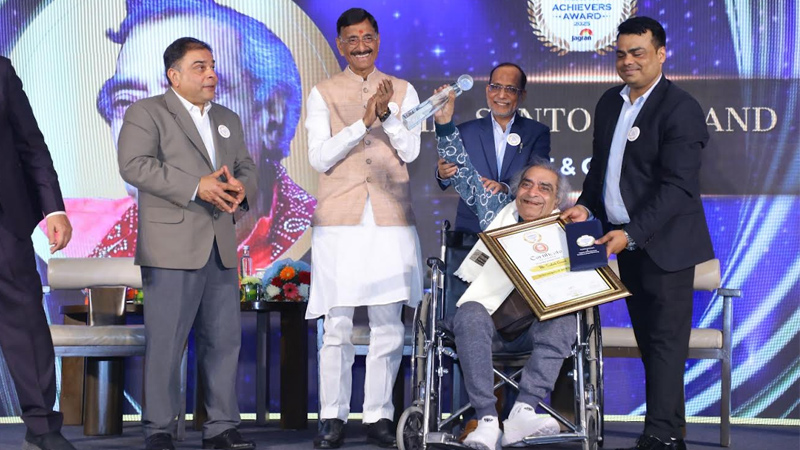
The cultural spotlight fell on veteran lyricist and poet Santosh Anand, whose songs have echoed across generations of Hindi cinema. At 97, Anand accepted the honour with characteristic humility, reflecting on a life shaped by perseverance and hope.
Healthcare honours spanned both modern and traditional systems. Manoj N. Nesari was recognised for strengthening Ayurveda’s place in national and global health frameworks. Padma shri Mohammed Abdul Waheed was honoured for his research-backed work in Unani medicine, while padma shri Mohsin Wali received recognition for his long-standing contribution to patient-centred care.
Education and social development also featured prominently. Padma shri Zahir Ishaq Kazi was honoured for decades of work in education, while former Meghalaya superintendent of Police T. C. Chacko was recognised for public service. Goonj founder Anshu Gupta received an award for his dignity-centred rural development initiatives, and the Hunar Shakti Foundation was honoured for empowering women and young girls through skill development.
The Lifetime Achievement Award went to former IAS officer Shailaja Chandra for her long career in public healthcare and governance, particularly in the traditional systems under Ayush.
Speaking at the event, Hamdard chairman Abdul Majeed said the awards were a tribute to those who combine excellence with empathy. “These awardees reflect Hakeem Sahib’s belief that healthcare, education and public service must ultimately serve humanity,” he said.
Minister Seth struck a forward-looking note, saying India’s young population gives the country a unique opportunity to become a global destination for learning, health and wellness by 2047.
The ceremony also featured the trailer launch of Unani Ki Kahaani, an upcoming documentary starring actor Jim Sarbh, set to premiere on Discovery on 11 February.
Instituted in memory of Unani scholar and educationist Hakeem Abdul Hameed, the awards have grown into a national platform that celebrates those building a more inclusive and resilient India. For one evening at least, the spotlight was not just on success, but on service with substance.






