International
Tokyo Film Festival adds new awards and Asia-focused section
39th edition introduces two Nippon Cinema Now prizes and a new women in cinema award


MUMBAI: Tokyo is rolling out a fresh reel of ideas for its next film festival. The Tokyo International Film Festival (TIFF) is introducing a series of initiatives for its 39th edition, including two new awards for Japanese cinema, a new section spotlighting Southeast Asian films and an award recognising women who have shaped film culture.
The festival will add Best Film and a Special Jury Prize to its Nippon Cinema Now section, creating a new competitive platform for Japanese filmmakers. The move is intended to bring greater international attention to both emerging and established local talent.
TIFF festival director Takeo Hisamatsu said the competition would spotlight exceptional new Japanese filmmakers and help give creators the confidence to take their work to the global stage.
The festival is also reviving the spirit of its earlier Crosscut Asia programme with Crosscut Asia+, a new section being launched jointly with the Japan Foundation. The initiative will focus on Southeast Asian cinema, with films selected by programmers from Japan and the region around a different theme each year.
For its inaugural edition, Indonesian programmer Raslene and Japanese programmer Ueda Masayuki have selected six films under the theme ‘Side by Side’. The line-up spans older works and recent releases, comprising Rafael Manuel’s Filipiñana, Kamila Andini’s Four Seasons in Java, Polen Ly’s Becoming Human, Bachtiar Siagian’s Turang, Daniel Hui’s Small Hours of the Night and Hafiz Rancajale’s Behind The Flickering Light: The Archive.
TIFF will also establish the Kashiko Kawakita Award, an achievement honour celebrating women who have contributed to film culture in Japan and internationally. The award, established by the Kawakita Memorial Film Institute, takes its inspiration from Kashiko Kawakita, known as “Madame Kawakita”, who helped build cultural bridges between Japan and the West through cinema.
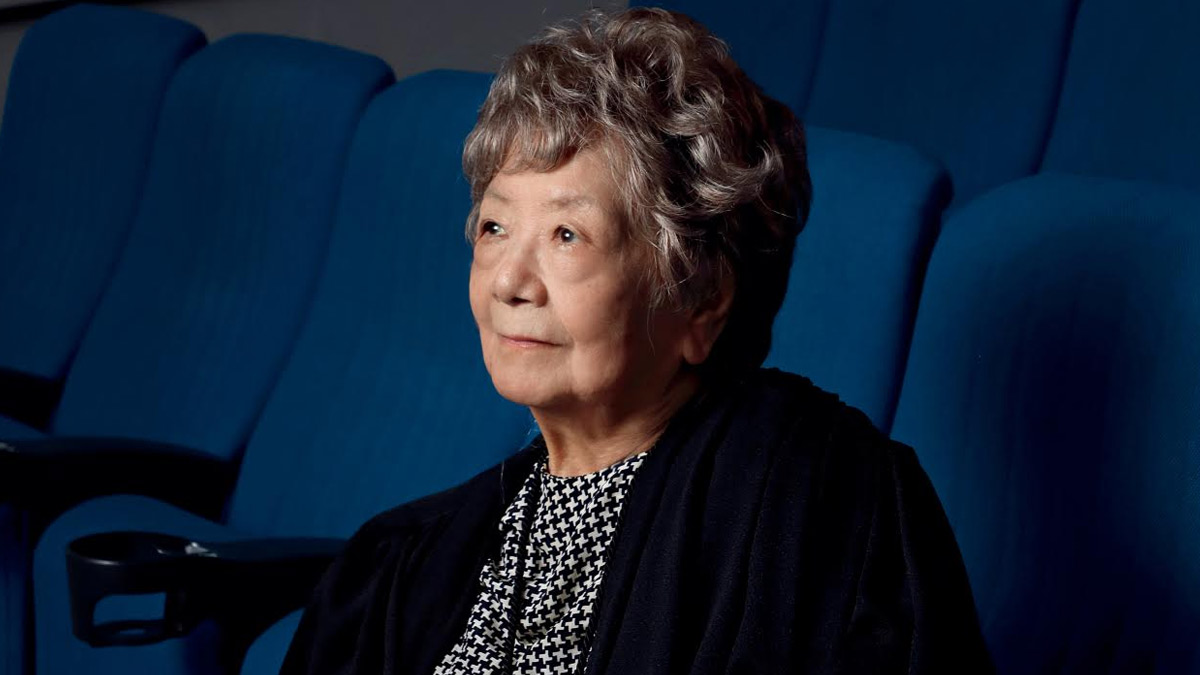
The inaugural award will go to Sahoko Hata, the acclaimed Japanese critic who helped strengthen film ties between Japan and France. Now 95, Hata began her career in the 1950s and played a key role in bringing landmark French New Wave films including Breathless, Purple Noon and Mon Oncle to Japanese audiences.
Hata initially considered declining the award but accepted after reflecting on Kawakita’s legacy and her own connection with the pioneering figure. The new honour is framed as a recognition “by women, for women” of people who have helped advance cinema across borders.
The three additions give the 2026 festival a broader remit backing Japanese talent, connecting Asian filmmakers and recognising the women who helped build the region’s film culture.
The Tokyo International Film Festival runs from October 26 to November 4, 2026.