
Hollywood
SPOILER ALERT: Why Marvel’s ‘Spider-Man: Brand New Day’ post-credits tease left audiences cold
Brand New Day is winning critics over with its gritty, street-level reboot, but its post-credits tease has left the fandom distinctly unimpressed


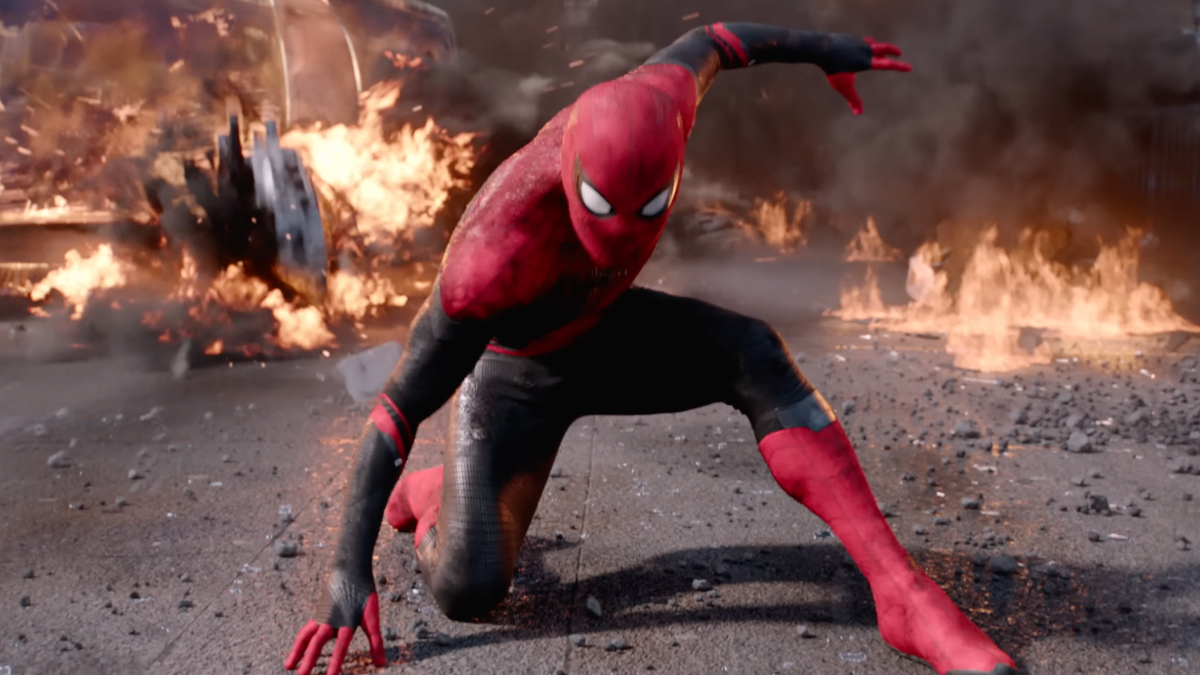
MUMBAI: Marvel has spent fifteen years training audiences to sit through ten minutes of scrolling credits for the reward of a single, perfectly pitched final scene. With Spider-Man: Brand New Day, directed by Destin Daniel Cretton, the studio appears to have forgotten its own recipe, and fans are not shy about saying so.
The film itself is landing well. Tom Holland’s performance is being widely praised for its grounded, street-level tone, the action sequences opposite Punisher are drawing genuine excitement, and reviewers are calling the visual direction some of the franchise’s strongest yet. That makes what happens after the credits all the more baffling. Rather than teasing a marquee villain such as Norman Osborn, a live-action Miles Morales or a Daredevil crossover, the scene cuts to Ned Leeds’s Spidey Tracker app, played by Jacob Batalon, which pings a new Spider-Man sighting before zooming out past New York, past the atmosphere, and into deep space near the moon. The screen fades to black with the line “Spider-Man will return.” No face, no dialogue, no gear reveal. Just a vague animation asking audiences to trust the process.
That is precisely where the frustration is coming from. Marvel’s best post-credits scenes have always worked because they gave fans something concrete to hold onto, a cameo, a costume, a single line that reframed everything. This one offers none of that, relying entirely on a fifteen-second UI graphic to do work that previously took an actual character appearance. Social media reaction since the film’s release suggests audiences noticed the gap immediately.
There is also a tonal problem worth flagging. Brand New Day has been celebrated precisely for pulling Peter Parker back down to earth, literally, giving audiences a broke, exhausted, street-level hero worrying about rent in New York rather than saving galaxies. A tease that immediately gestures towards cosmic, CGI-heavy stakes undercuts that carefully rebuilt intimacy before the popcorn is even finished. It is the cinematic equivalent of spending two hours convincing someone gritty realism is back, then hinting the next chapter abandons it entirely.
Trade watchers reading this as a one-off misstep may be missing the bigger picture. Studios juggling shifting production schedules and increasingly leak-prone sets are finding it harder to lock concrete casting or plot reveals far enough in advance to build a proper teaser, and post-credits scenes are quietly becoming vaguer as a result, placeholders rather than genuine setups. That is an industry-wide pressure, not a Marvel-specific failure, and it is likely to keep showing up across franchise filmmaking as production timelines stay unpredictable.
None of this should overshadow what Brand New Day gets right. The film is tracking to be both a critical and commercial success, and Holland’s grounded take on Peter Parker looks set to reset the character for the franchise’s next phase. But the reaction to its closing seconds is a useful reminder for every studio banking on the ten-minute credits wait: audiences will happily sit through the names of every visual effects artist and caterer on the payroll, provided what comes after is worth the sit. This time, Marvel asked for the patience without quite delivering the payoff.
The industry takeaway
While Spider-Man: Brand New Day proves that superhero fatigue doesn’t apply to compelling, character-driven stories, its final scene serves as an important lesson for studio executives: when you ask an audience to sit until the house lights turn on, the payoff needs to match the height of the film that preceded it.






