
Hollywood
Skydance completes $111 billion takeover of Warner Bros Discovery
David Ellison led company targets $6 billion synergies and nearly $70 billion revenue


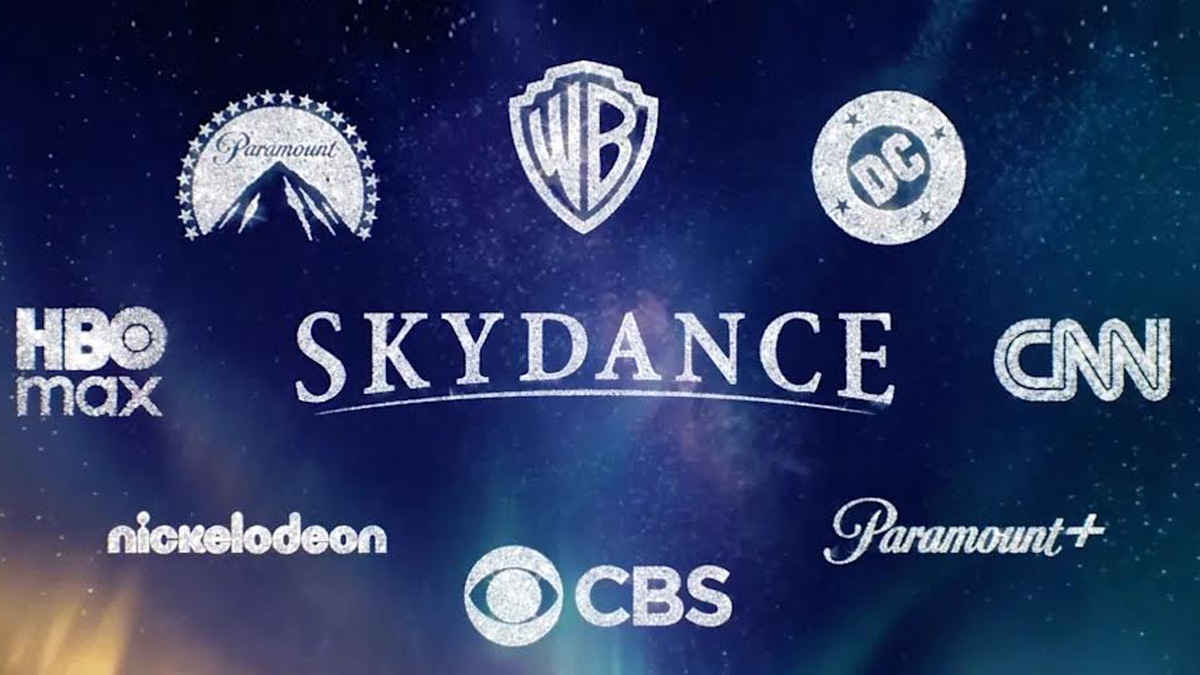
MUMBAI: Hollywood has a new heavyweight, and this one has come with a rather hefty price tag. David Ellison’s Paramount has completed its $111 billion takeover of Warner Bros Discovery, bringing two major studios, television networks, streaming platforms, sports rights and news operations under one corporate roof.
The combined company will operate under the Skydance name, the same name as the studio Ellison founded 20 years ago. The new entity now faces the much less glamorous part of the blockbuster: integrating two enormous businesses, managing more than $80 billion in debt and turning the combined group into a technology-led entertainment company.
Ellison will serve as chairman and CEO, alongside co-CEO Ynon Kreiz. The leadership team is tasked with turning the acquisition into a next-generation media and entertainment business capable of competing with major players including Disney, Netflix, Amazon, Apple and Google.
The deal creates a company with an enormous collection of film and television properties, streaming businesses, sports rights, news operations, libraries and intellectual property. But scale alone is not the endgame: Skydance says it wants to combine that scale with technology, data and new production and distribution capabilities.
A new name, but familiar Hollywood brands
The new corporate identity may say Skydance, but audiences will continue to see the names they already know. Paramount and Warner Bros will continue operating under their own brands, with the Paramount mountain and Warner Bros shield remaining in front of their films and shows.
The decision to use Skydance rather than simply merge the two names was deliberate. The company said combinations such as WarnerParamount or ParamountWarner made the two studios feel smaller rather than creating a new identity, while Skydance was intended to signal a new chapter without diminishing either legacy brand.
That leaves the new company with an unusual balancing act: integrate the businesses while preserving the identities that made both studios global entertainment brands.
At least 30 movies a year
Skydance has laid out an ambitious content strategy for the combined business, with a commitment to make at least 30 movies every year. The slate is expected to combine original projects with major franchises including Harry Potter, Mission: Impossible, The Lord of the Rings, DC, Transformers and Star Trek.
Television and streaming will draw on properties including Game of Thrones, Landman, NCIS, Tracker and SpongeBob SquarePants. The company also pointed to gaming franchises such as Hogwarts Legacy and Mortal Kombat, alongside live sports including the NFL on CBS, UFC, UEFA and March Madness.
That breadth is central to Skydance’s pitch. Instead of relying on one entertainment format, the company is bringing together film, television, streaming, gaming and live sports, giving it multiple routes to reach audiences and monetise intellectual property.
Technology becomes a core pillar
The other major part of the strategy is technology. Skydance says it wants to become the most technologically capable media company by using technology, data and emerging capabilities across content creation, distribution and monetisation.
Artificial intelligence is explicitly part of that plan. The company says it intends to use AI to expand what creatives can imagine and improve productivity, while maintaining that technology should serve the art rather than replace it.
The strategy reflects how dramatically the entertainment business has changed. Audiences now have more platforms and choices, technology is reshaping production and distribution, and streaming has changed how content is consumed and monetised.
Skydance is therefore pitching itself not simply as a bigger studio, but as a media company designed around the technology-driven entertainment economy.
$6 billion synergy target
The financial numbers are equally ambitious. The combined company expects to generate nearly $70 billion in revenue and is targeting at least $6 billion in synergies from bringing Paramount and Warner Bros Discovery together.
Those synergies are expected to make the company leaner and free up capital for investment in content, talent and technology. However, the scale of the integration also means the financial benefits will come with difficult operational decisions.
The company has acknowledged that integrating the two businesses will bring change, including decisions affecting its workforce. It said the process would be handled thoughtfully and respectfully.
Debt adds another layer
The biggest immediate challenge is arguably the balance sheet. The new company inherits more than $80 billion in debt, meaning the push for scale has to be matched by financial discipline.
That makes the targeted $6 billion in synergies more than a corporate talking point. The savings will be important to the company’s ability to invest in content and technology while also managing its financial obligations.
At the same time, Skydance says it wants to retain enough financial strength to take creative risks, invest in employees and technology and pursue opportunities that can differentiate the company in a crowded market.
A new Hollywood heavyweight enters the ring
For Ellison and Kreiz, the immediate task is now execution. The leadership team has to integrate two large organisations while keeping creative talent engaged, maintaining the value of established franchises and finding efficiencies without weakening the businesses that produced them.
The company has identified four broad priorities: winning in storytelling, becoming more technologically capable, competing at global scale and earning trust from employees, creators, audiences, advertisers and partners.
The scale of the combined portfolio gives Skydance plenty to work with. It has decades of film and television history, major franchises, sports rights, streaming platforms and a global audience footprint, while the new technology strategy is intended to make those assets work harder across platforms.
For audiences, the immediate impact may simply be more ways to encounter familiar franchises. For creators, the company is promising greater scale and distribution. For investors, the attraction lies in the combination of nearly $70 billion in revenue and at least $6 billion in targeted synergies.
But the Hollywood blockbuster now moves into its sequel. Completing a $111 billion takeover was the opening act; integrating the companies, managing more than $80 billion of debt and proving that scale can translate into sustainable growth will determine whether Skydance’s biggest production yet becomes a hit.






