Hollywood
Paramount Skydance posts $8.15bn in Q4, warns of ‘below Wall Street estimates’ Q1 growth
Linear TV drag offsets subscriber gains and price rises at Paramount plus

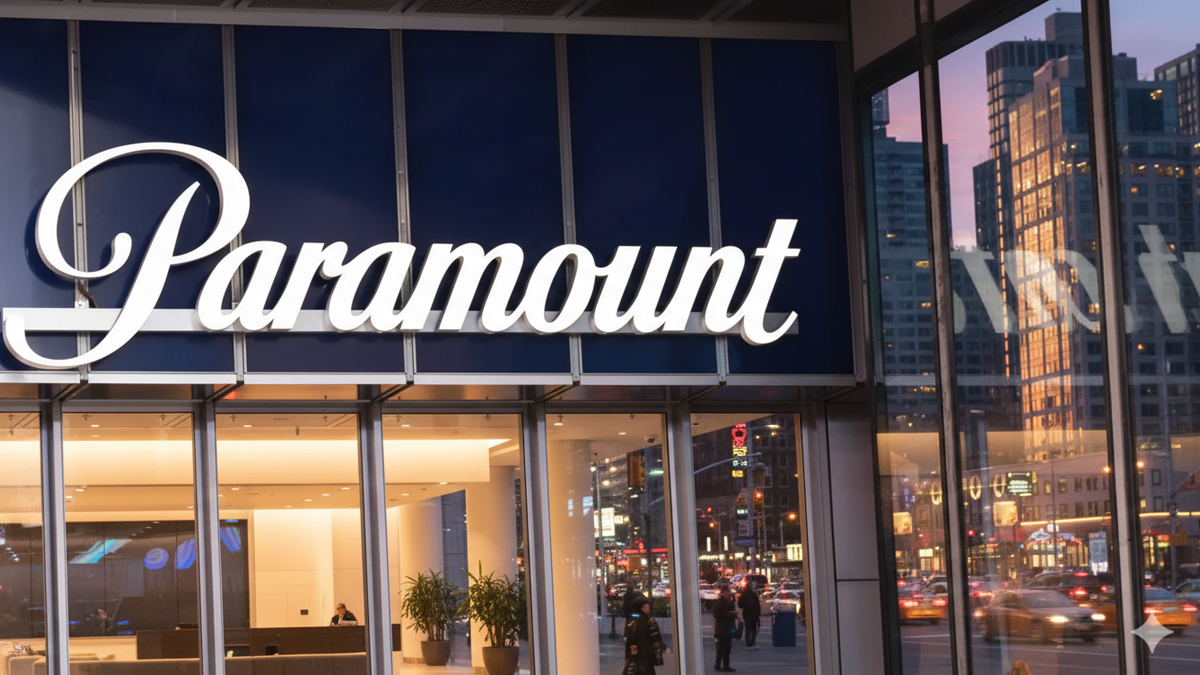
LOS ANGELES: Paramount Skydance forecast first-quarter revenue below Wall Street expectations, blaming a continued slide in its legacy television business even as it predicts robust growth in streaming this year.
The David Ellison-led group said revenue for the first three months of 2026 would land between $7.15 billion and $7.35 billion, narrowly missing analysts’ expectations of $7.36 billion, according to data from LSEG. The outlook underscores the structural strain facing traditional broadcasters as audiences abandon pay TV for on-demand platforms.
Paramount Skydance struck a confident note on streaming, pointing to subscriber growth and price increases at Paramount plus as key drivers. The platform ended 2025 with 78.9 million paid subscribers and expects further gains this year, helped by the addition of the Ultimate Fighting Championship to its exclusive lineup.

The company’s fourth-quarter results reflected the same fault lines. Total revenue edged up to $8.15 billion, just above estimates, while its TV Media unit posted a 5 per cent fall to $4.71 billion, hit by weaker advertising and declining affiliate fees. Paramount expects further softness in the segment this year, broadly in line with industry-wide pay-TV headwinds.
By contrast, filmed entertainment revenue jumped 16 per cent, largely due to the consolidation of Skydance licensing into the group’s accounts.
Investor attention, however, remains fixed on the corporate chessboard. Paramount Skydance described its bid for Warner Bros Discovery as an “accelerant” to its long-term strategy, though it declined to comment further on the talks.
Warner Bros Discovery’s board is weighing whether Paramount’s revised $31-a-share offer for the entire company tops a competing $27.75-a-share proposal from Netflix for its streaming and studio assets. The contest centres on prized film and television libraries housing franchises such as Harry Potter and Game of Thrones.
(Note: The cover image is AI-generated and is for representational purposes only.)






Hollywood
Paramount eyes $24bn Gulf support to fund Warner Bros Discovery merger: Reports
Sovereign funds line up funding as media giants chase streaming scale
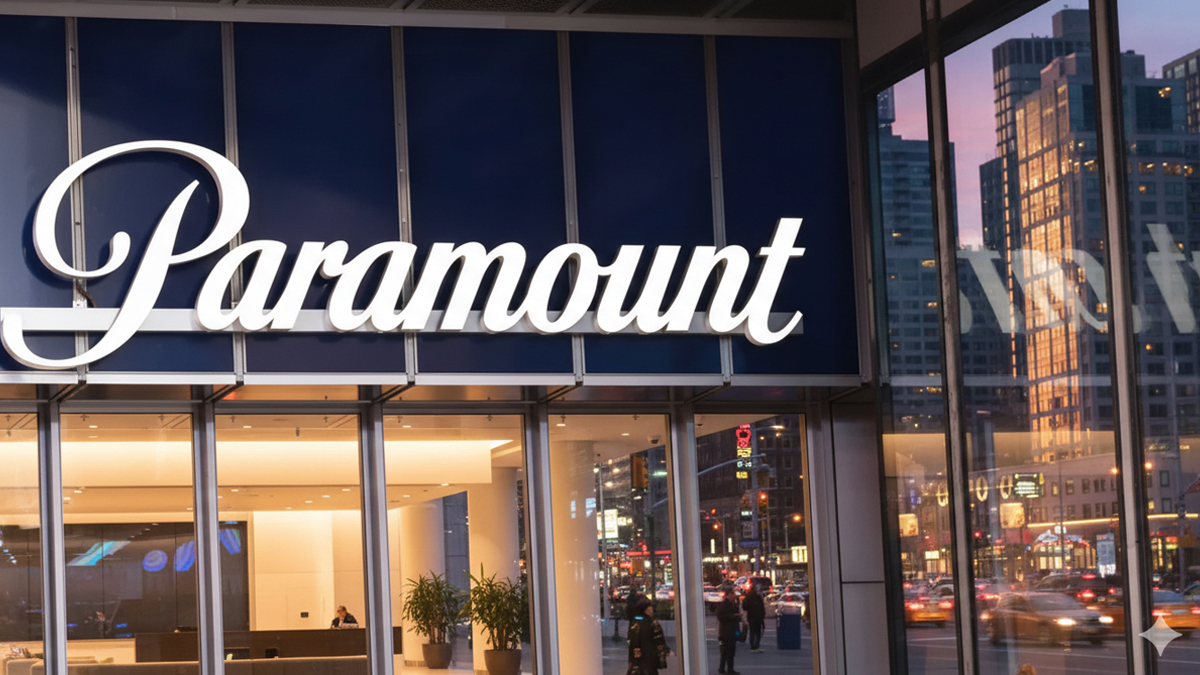
NEW YORK: Paramount Skydance is in talks to secure nearly $24 billion in equity commitments from Gulf sovereign wealth funds to support its planned takeover of Warner Bros. Discovery, according to a WSJ report.
The funding push comes as Paramount Skydance advances its proposed $110 billion deal for Warner Bros. Discovery, which carries an equity valuation of $81 billion and is expected to close in the third quarter of 2026.
At the heart of the financing plan are three major Gulf investors. Saudi Arabia’s Public Investment Fund is expected to contribute roughly $10 billion, while the Qatar Investment Authority and Abu Dhabi-based L’imad Holding are likely to make up the remainder.
Crucially, the proposed investments are structured as non-voting stakes. This means the Gulf backers would not have direct control in the combined entity, a move designed to ease regulatory concerns in the United States. Paramount executives reportedly do not expect the deal to trigger scrutiny from bodies such as the Committee on Foreign Investment in the United States or the Federal Communications Commission.
If completed, the merger would bring together a formidable portfolio of entertainment and news assets, including CNN and CBS. The combined entity aims to better compete in a fast-evolving media landscape where streaming platforms are steadily pulling audiences away from traditional television.
The deal reflects a broader shift in global media, where scale is increasingly seen as essential to survive the streaming wars. By pooling content libraries, technology and distribution, Paramount Skydance and Warner Bros. Discovery are betting on size and synergy to drive future growth.
The involvement of deep-pocketed Gulf investors also underscores the growing role of sovereign wealth in shaping global media consolidation, particularly at a time when high-value deals demand equally large financial backing.
With shareholder votes and regulatory milestones still ahead, the proposed tie-up remains one of the most closely watched media deals of the year. If it clears the final hurdles, it could redraw the competitive map of the global entertainment industry.






