
Movies
MIFF 2026 workshop puts cinematography in focus with Modhura Palit’s visual language insights
Workshop explores light, framing and emotion shaping cinematic worlds at MIFF 2026


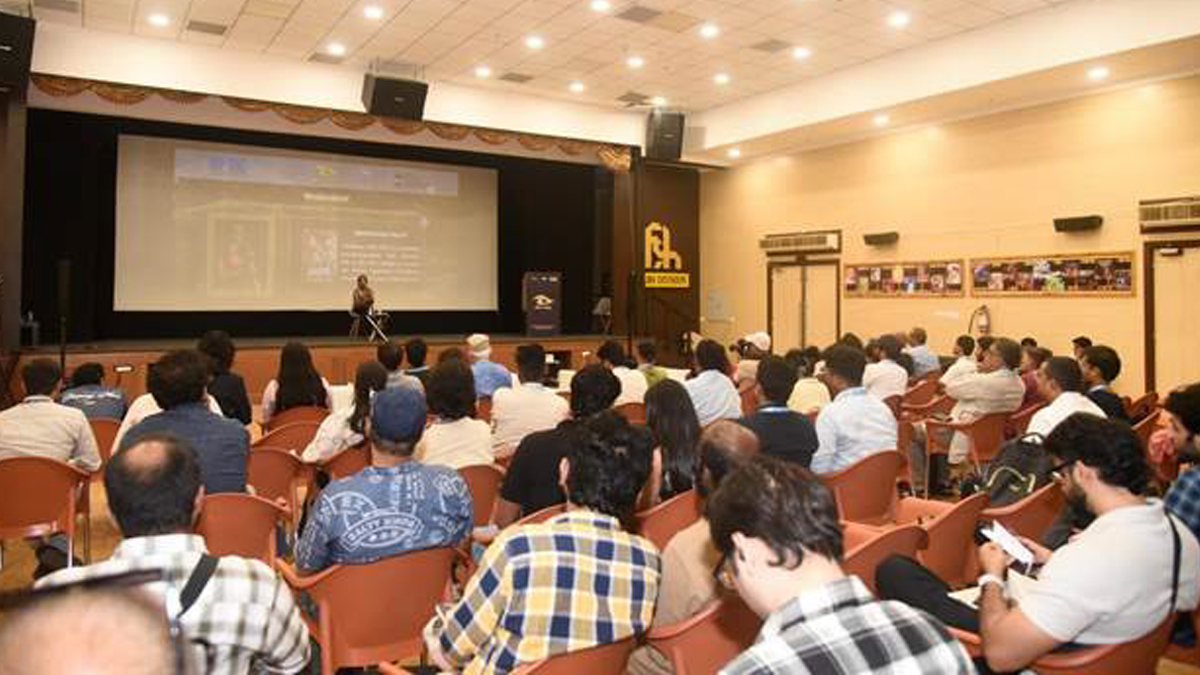
MUMBAI: At MIFF 2026, it was all about frame of mind as cinematography took centre stage in a workshop that blended craft, creativity and cinematic imagination.
The Mumbai International Film Festival (MIFF) 2026 hosted a session titled Core Craft & Visual Language: The Soul of Cinematography, led by award-winning cinematographer and director Modhura Palit, the first Indian recipient of the Pierre Angénieux ExcelLens Award at the Cannes Film Festival.
Addressing filmmakers, students and cinema enthusiasts, she described cinematography as more than just capturing images, calling it the art of building believable worlds on screen.
Speaking during the workshop, MIFF 2026 award-winning cinematographer and director Modhura Palit said, “Cinematography is the art of making audiences believe in a world.”
She explained that cinematography extends beyond recording visuals, relying instead on movement, light, framing and composition to support storytelling and evoke emotion. According to her, every creative decision, from camera movement to lens choice, shapes how audiences experience a story and connect with its characters.
The session also unpacked how visual elements influence perception. Through practical examples, she demonstrated how camera movement can shift emotional tone, while framing and composition can subtly express isolation, intimacy or tension. Lighting, she noted, plays a key role in shaping mood and revealing a character’s inner world.
Emphasising that cinematography is rooted in artistic intent rather than technology, she added that cameras are only tools, while creativity and observation remain at the core of visual storytelling.
Speaking further on the realities of production, MIFF 2026 award-winning cinematographer and director Modhura Palit said, “Filmmaking demands adaptability, as every location brings its own challenges, from weather to scheduling to equipment constraints.”
The workshop also saw active audience engagement during a question and answer session, where topics such as handheld shooting, collaboration with directors and the rise of smartphone filmmaking were discussed. Responding to questions on technology, she noted that while devices have become more accessible, storytelling continues to be defined by intent and imagination.
The session concluded on an encouraging note, urging aspiring filmmakers to treat cinematography as a craft shaped by creativity, observation and emotional understanding, rather than equipment alone.






