
Movies
MIFF 2026 spotlights tomorrow’s storytellers with nine short films under CMOT
From AI romance to digital identity, young filmmakers explore modern India through powerful narratives


MUMBAI: The future of Indian filmmaking is taking centre stage at the 19th Mumbai International Film Festival, where nine short fiction films by emerging filmmakers are being showcased under the festival’s special Creative Minds of Tomorrow programme.
Designed to spotlight the next generation of storytellers, the section brings together a diverse mix of voices tackling themes ranging from artificial intelligence and digital relationships to mental health, identity and human connection. The selected films offer a glimpse into the concerns, aspirations and creative instincts of young filmmakers navigating a rapidly changing world.
Among the standout entries is Gullu, directed by Arshaly Jose. The film follows Gulshan, who loses his phone during a trip to Goa and unexpectedly finds perspective and companionship through an unconventional driver named Salim.
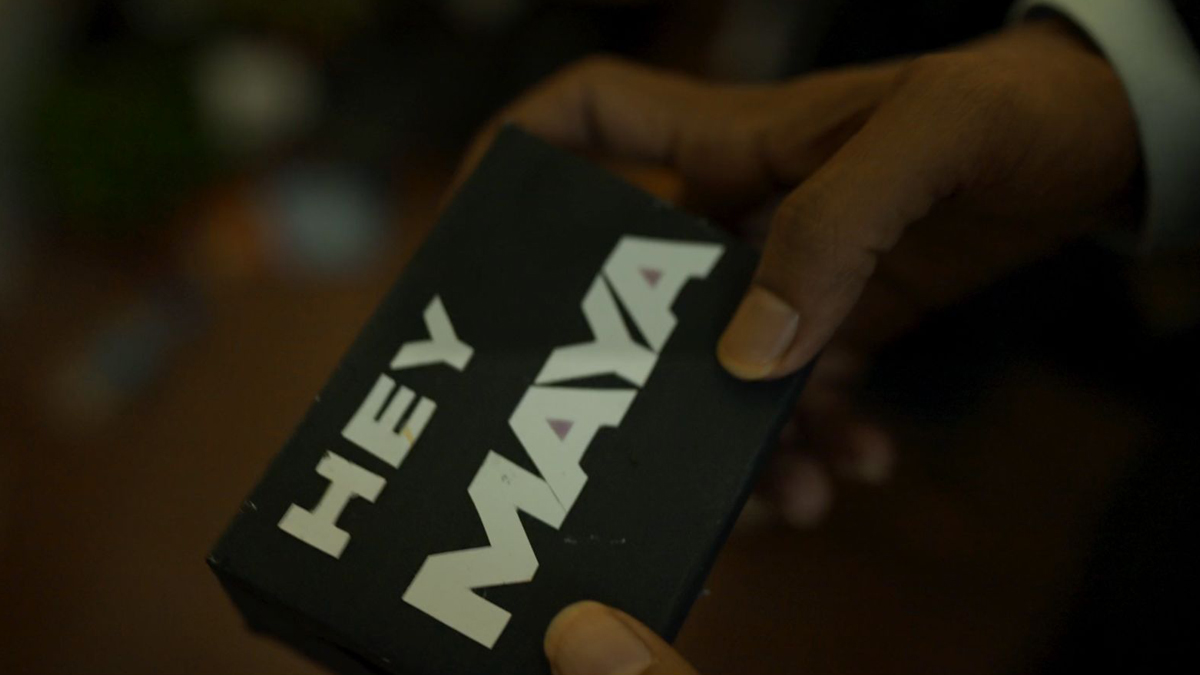
Technology’s growing influence on personal relationships forms the backdrop of Hey Maya, directed by Suryansh Deo Srivastava. The story centres on a couple who turn to an AI-powered relationship advisor to improve their romance, only to discover that matters of the heart are not so easily outsourced.
Srivastava also features in the lineup with Lovefix Subscription, a satirical take on modern relationships in which a woman signs up for a service promising to “upgrade” her boyfriend, with predictably chaotic results.
Meanwhile, Khali Khopdi, directed by Vishnu PK, explores existential questions through the story of a man who wishes tomorrow would never come, only to be confronted with the deeper meaning of life and time.
Blending animation with live action, Kokum by Srishti Garg examines the growing disconnect of digital-age relationships. The film follows a young woman who gradually realises that online interactions cannot replace genuine human connection.
Another film rooted in Goa, The Paper Sky by Raghunath S N, tells the story of Neerja, once known as Mumbai’s “Traffic Girl”, whose life takes an unexpected turn when a journalist tracks her down years later.
Intergenerational relationships take centre stage in The Window, directed by Piyush Sharma. The film explores the bond between a 70-year-old grandmother and her technology-savvy granddaughter as they bridge the gap between two very different worlds.
Cyberbullying and online shaming are tackled in The Woman Who Has a Name, where director Sanjoli Malani presents the story of a woman determined to reclaim her identity and dignity after becoming the target of online harassment.
Rounding out the lineup is We Can Hear the Same Music by Bonita Rajpurohit, a heartfelt love story about a mute man and a blind woman who use technology to communicate and build a relationship beyond conventional barriers.
Collectively, the films reflect a generation of creators comfortable engaging with contemporary issues while remaining deeply invested in themes of empathy, resilience and belonging. Despite their varied settings and genres, each film places human experience at the heart of its narrative.
The CMOT initiative forms part of a broader effort to identify and nurture emerging filmmaking talent across the country. Created by the Ministry of Information and Broadcasting and the National Film Development Corporation, the programme provides young creators with an opportunity to present their work before national and international audiences at prestigious film platforms.
Having already completed four successful editions alongside the International Film Festival of India, CMOT has established itself as an important launchpad for aspiring filmmakers. At MIFF 2026, the initiative continues that mission, proving that the next wave of Indian cinema is already finding its voice and is unafraid to tell stories that reflect the realities of contemporary life.






