MAM
WPP’s India country manager CVL Srinivas to retire after 20-year growth run

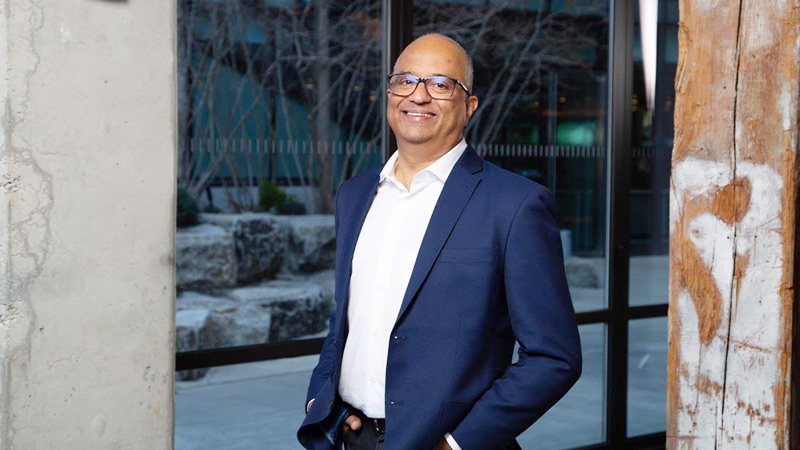
NEW DELHI: WPP announced today that its India country manager, CVL Srinivas, will retire at the end of March 2026, drawing the curtain on a 36-year career that turned India into one of the advertising group’s four biggest markets by revenue.
Known across the industry as Srini, he has led WPP India since 2017, overseeing a decade of rapid expansion in media, data, technology and creative services. India now employs more than 11,000 people across agencies and a scaled global delivery centre, making it a key engine for WPP’s worldwide operations.
“Srini is a truly outstanding leader whose vision has been instrumental in transforming India into one of WPP’s most important and dynamic markets globally. He has not only delivered exceptional growth but has also built an incredible culture of collaboration and innovation,” WPP chief executive Cindy Rose said. “From establishing our integrated campuses to scaling our global delivery and tech capabilities, his legacy is a stronger, more unified, and future-ready WPP in India, perfectly positioned to harness our AI advantage for our clients. We are deeply grateful for his immense contributions, and we all wish him the absolute best for the future.”

Under his watch, India vaulted from outside WPP’s top 12 markets to fourth place globally, helped by tightly knit client teams that combine media, creative and specialist skills. Three collaborative campuses in Mumbai, Gurgaon and Chennai became hubs for what WPP calls its creative-tech model, blending data, software and storytelling.
Srinivas said he was proud of the “growth, innovation and shared purpose” built by the team, adding that India would continue to drive WPP’s global agenda long after his departure.
Before taking the India role, he ran GroupM in South Asia and Maxus in Asia-Pacific, and was part of the team that launched Hindustan Unilever’s first media agency of record in 1995. He has also served on the boards of industry bodies including BARC, ABC, MRUC and the IAA.
WPP said a successor will be named in due course, as the group prepares for its next phase in one of its most strategically important markets.






MAM
Ameya Velankar steps down as Uber’s head of marketing for India & South Asia
Veteran marketer exits after more than seven years with the ride-hailing giant.
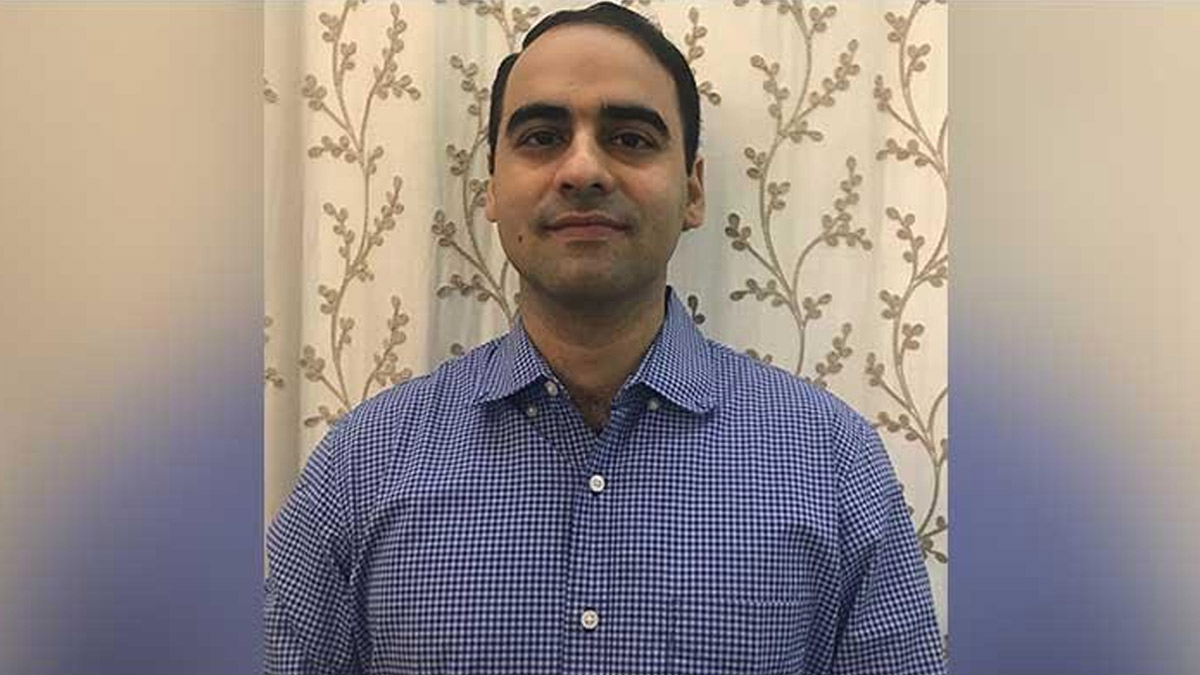
MUMBAI: After more than seven years of steering Uber through the bumpy roads of India’s mobility market, Ameya Velankar has decided to change lanes. Ameya Velankar has stepped down as Head of Marketing for India and South Asia, marking the end of a significant chapter at the ride-hailing company. He had been with Uber since 2019, taking on multiple roles in product and category marketing before rising to lead the marketing function for the region in 2021.
During his tenure, Velankar played a key role in strengthening Uber’s positioning in one of its most competitive and dynamic markets. He helped drive localised marketing strategies and scale adoption across key offerings such as Auto, Moto, Rentals and Intercity, tailoring global platforms to Indian consumer needs.
Prior to joining Uber, Velankar built his marketing expertise at leading consumer companies including SC Johnson and Marico, where he handled category and product leadership roles. His career began at RPG Enterprises.
Details of his next professional move have not been disclosed.
In a fast-evolving mobility landscape where brands constantly battle for attention, Ameya Velankar helped Uber stay relevant and resonant with millions of Indian users. As he moves on from the driver’s seat of marketing, the company will now look for fresh ideas to keep its wheels turning smoothly.






