Brands
World Emoji Day: Emojis For Brand Marketing
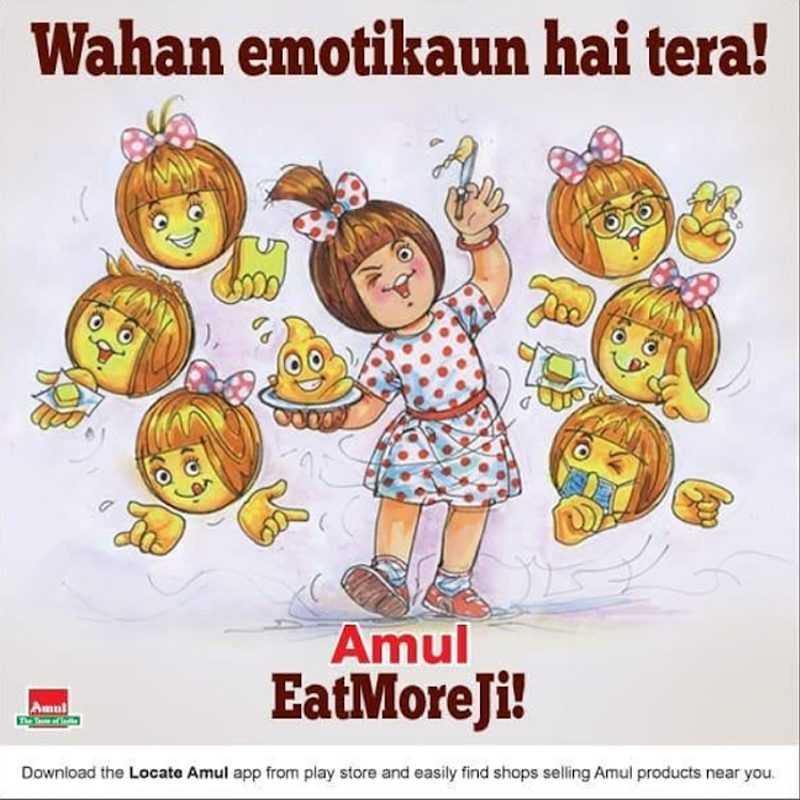
It is rightly said that ‘Pictures speak louder than words’. Emojis are the small icons that depict emotions or objects like food, snacks, clothes, weather, animals, accessories and many more! These are highly impactful if used correctly at the right place, right time and to the right people. It is a fun mode of interaction. Emojis provide advertisers and brand marketers a huge opportunity to effectively convey their messages to their audience.
The reason behind emojis being highly impactful is that they are used in daily conversations. Previously, brands picked-up phrases that were used in daily conversations. For instance, big marketing campaigns like Maruti’s ‘Kitna deti hai’ and Surf Excel’s ‘Daag Ache Hain’. Such campaigns spoke about the regular questions of the consumers and highlighted the benefits of the products. Maruti’s campaign was a huge success as it spoke about the most common questions that the consumers ask.
Emojis are regularly used in chats, emails and other means of communications. The brands which are focusing on effectively reaching out to their audience should be well-versed with the language and tonality that they use regularly. Millennials constantly use emojis regularly, if they are the targeted mass, then they will have to start using emojis as it will help them communicate their message better.
Many brands are coming up with custom emojis like Mumbai Indians which received a great response from the people. The moment a brand uses common lingo, they can connect with their audience better. There are 2 ways that brands can leverage emojis i.e. creating their own set of emojis or picking up the current popular ones. Custom emojis are unique and act as a brand identity. It can make wonders happen but on the other hand, if there’s a failure, people might hesitate to accept it. It gives the perception of the brand trying hard to look cool.
On the other hand, picking up current popular emojis and weaving them into your brand message proves to be successful, if it is smartly done. The fact that people are celebrating World Emoji Day is a testimonial that they have been using it in regular conversations for years. Emojis is a new language now.
Presently, using emojis actively for branding is still an open jury. As it is yet to be understood whether it is as effective as the regular language or phrases, it is crucial to select emojis that are relevant to your brand. Choosing the right emojis can make wonders happen, but a wrong choice may lead to confusion. The emojis must be relatable to the brand hence, it is advisable to carefully monitor and select them. It is not a one-time process, it is vital to use the brand emojis consistently to ensure that these are registered in the minds of the consumers.
The emojis should never be force-fit. It is better to understand what your brand messaging is and then try initiating a conversation with one consumer. If the conversation along with the emojis makes sense, then try exploring it and weave your advertising using emojis. Using emojis is a bad idea if a brand followed a serious messaging and caters to a serious audience. However, emojis are an add-on to the language and should be used as an add-on to your communications. It cannot become a primary tool for branding.
(The author is business head, IdeateLabs. The views expressed are his own and Indiantelevision.com may not subscribe to it.)

Brands
Uber launches hotel bookings feature in partnership with Expedia
From hotel bookings to room service at your door, the ride-hailing giant is making its boldest push yet into everyday life
CALIFORNIA: Uber is done being just a taxi app. At its annual GO-GET product event, the world’s leading mobility and delivery platform unveiled a sweeping set of new features designed to plant itself at the centre of how people travel, eat and shop, hotel bookings included.
The headline move is a partnership with Expedia Group that lets Uber users in the United States book hotels directly within the Uber app, with access to a catalogue that will eventually grow to more than 700,000 properties worldwide. Uber One members get 10 per cent back in Uber One credits on all hotel bookings and savings of at least 20 per cent on a rolling list of more than 10,000 hotels globally. Vacation rentals from Vrbo, Expedia Group’s home-rental brand, will be added later this year. The partnership is expected to expand beyond the United States. From June, Uber rides will also be integrated directly into the Expedia app, with push notifications sent to travellers ahead of hotel check-in to book discounted Uber rides for the duration of their stay.
Dara Khosrowshahi, chief executive of Uber, framed the expansion in terms of the modern condition. “Uber is becoming an app for everything, helping people go, get, and now travel all in one place,” he said. “We’re all living through a moment of real cognitive overload: too many apps, too many decisions, too much noise. At the end of the day, our job is to help people reclaim their time, spending less of it managing the logistics of life and more of it actually living.”
Ariane Gorin, chief executive of Expedia Group, struck a similarly ambitious note. “Travel should feel effortless, and this partnership gets us one step closer to offering a seamless traveller experience,” she said. “By connecting our two-sided marketplace with Uber, we’re bringing Uber rides directly into the Expedia app and Expedia Group’s lodging inventory into the Uber app through our Rapid API technology. Together, we’re helping travellers spend less time planning and more time enjoying the journey.”
Beyond hotels, the product announcements come thick and fast. Travel Mode, available within both the Uber and Uber Eats apps, offers curated recommendations on local favourites, tourist destinations, OpenTable restaurant reservations and on-demand delivery to hotel rooms. Uber One International means the membership programme now works globally, allowing members to earn credits on rides abroad that can be redeemed once back home. A new Shop for Me feature lets users request items from any store, even those not listed on the app. Eats for the Way allows riders in select cities booking an Uber Black or Uber Black SUV to have a drink or snack waiting for them in the car. Voice Bookings, powered by artificial intelligence, lets users book a ride conversationally, without touching their phone. And a redesigned One Search bar consolidates results for places, food and items across the entire Uber platform in a single query.
Uber has now logged more than 72 billion trips since it launched in 2010. The question it is now answering is what comes after the ride. The answer, apparently, is everything else. Whether users want a hotel in Paris, a coffee in the back of a car or a snake plant from the local garden centre, Uber would very much like to be the one to provide it. The app economy’s land grab has a new front-runner.
NOTE: The image used is AI generated and only for representational purposes.