MAM
Women entrepreneurs driving change in a so-called men’s world


Mumbai: Women entrepreneurs are accelerating India’s business growth story. Ventures led by women entrepreneurs are expected to grow by 90 per cent in the next five years. But will this translate into a better and more inclusive corporate world led by women? What will it take to build a more enabling work culture? Will the change be achieved in isolation from society or will it require a complete shift in mindsets? Who will drive this change – men or women? What support systems do women need, beginning with managing their personal lives and challenges, to sponsors and mentors at work to opt for and then stay in top roles?
All this and more, was discussed at the roundtable organised during Wonder Women 2022 conference to explore the possibility of women entrepreneurs driving the next wave of business and economic growth in India. A day-long virtual event was organised by IndianTelevision.com on 4 March to recognise and honour remarkable women leaders, entrepreneurs and change-makers for their outstanding contributions in the arena of media, entertainment and marketing industries.
The panel comprising Anika Parashar (The Woman’s Company founder and CEO), Sukhleen Aneja (Good Glamm Group’s CEO of beauty and FMCG brands division), Deepali Naair (IBM director – digital sales, India & ASEANZK digital sales centre, Bangalore ), Elizabeth Venkatraman (Kotak Mahindra Bank joint president – consumer, commercial and wealth marketing), Kranti Sarma (Technicolor Creative Studio India head of studio), Neha Kant (Clovia founder and director) and Preeti Jhangiani (actress, model and Pro Panja League’s founder-director) was moderated by IndianTelevision.com founder, CEO and editor-in-chief Anil NM Wanvari.

Answering the big question, Technicolor’s Kranti Sarma and IBM’s Naair put forward a positive viewpoint, but with a hint of realism. Sharing her experience at Technicolor, Sarma stated, “There are huge opportunities in the creative space right now, but for some reason, women are not coming forward to take them up; the small percentage who do, do not stay. There has been a lack of self-motivated and self-driven women in the field. This is why we have taken to a women-oriented hiring policy.”
Quoting studies that showed more women leaving the workforce than men, and the pipeline of women who will move into senior leadership roles getting shorter, IBM’s Deepali Naair said, “The real challenge to bringing about inclusion is in building a gender-agnostic society. In the last few years there has been this narrative for women by women, but the larger part of the corporate world is run by men. It is they who need to be convinced to get involved as sponsors and angels etc.”
Talking of plausible solutions she added, “Moving towards a gig economy in terms of how you solve for people coming and working for gigs, how you pay them, how does that unit economics work, will create a truly inclusive future for both men and women.”
The speakers unanimously agreed on the need for a more holistic societal and cultural change to encourage women to follow their dreams and passion. The collaborative effort, they said, will involve everyone, beginning with the parents and teachers to mentors and bosses.
“Education is key for women to understand, acknowledge and appreciate their rights. That’s where the journey begins. Moving ahead, big companies will have to drive the change by creating a culture of diversity where women feel more comfortable in bringing their perspective to the table,” said Preeti Jhangiani of Pro Panja League.
Good Glamm Group’s Aneja insisted on the need for more positive stories being told by women about their sponsors, as well as people and processes that aided their professional journeys. “The involvement of men in this initiative is extremely important simply because they are the majority. We need more positive stories about them, and how they encouraged women to come forward. How they managed expectations, priorities and careers to enable a flexible workplace environment.”
For Elizabeth Venkatraman, financial independence is the most crucial requirement for women empowerment. “While a lot of glass ceilings are being broken, bringing more and more women into formal financial services is the sign of true independence, which is something we are working towards,” she said
Adding on to the point, Clovia’s Kant remarked, “The society has skewed us to think it’s okay to not be financially independent; to take the backseat and allow the men to lead. This needs to change. As parents we will all have to be careful of the cues we pass on to the children.”
Anika Parashar, whose professional journey has been all about supporting women through her entrepreneurial ventures, noted, “Today, women in India and around the world are taking strides in business. While there were many who dropped out in absence of support, there are also several examples where help has come in various forms – as sponsors, angels, evangelists who believed in them. Women need to stop apologising and speak with pride.”







MAM
Ameya Velankar steps down as Uber’s head of marketing for India & South Asia
Veteran marketer exits after more than seven years with the ride-hailing giant.
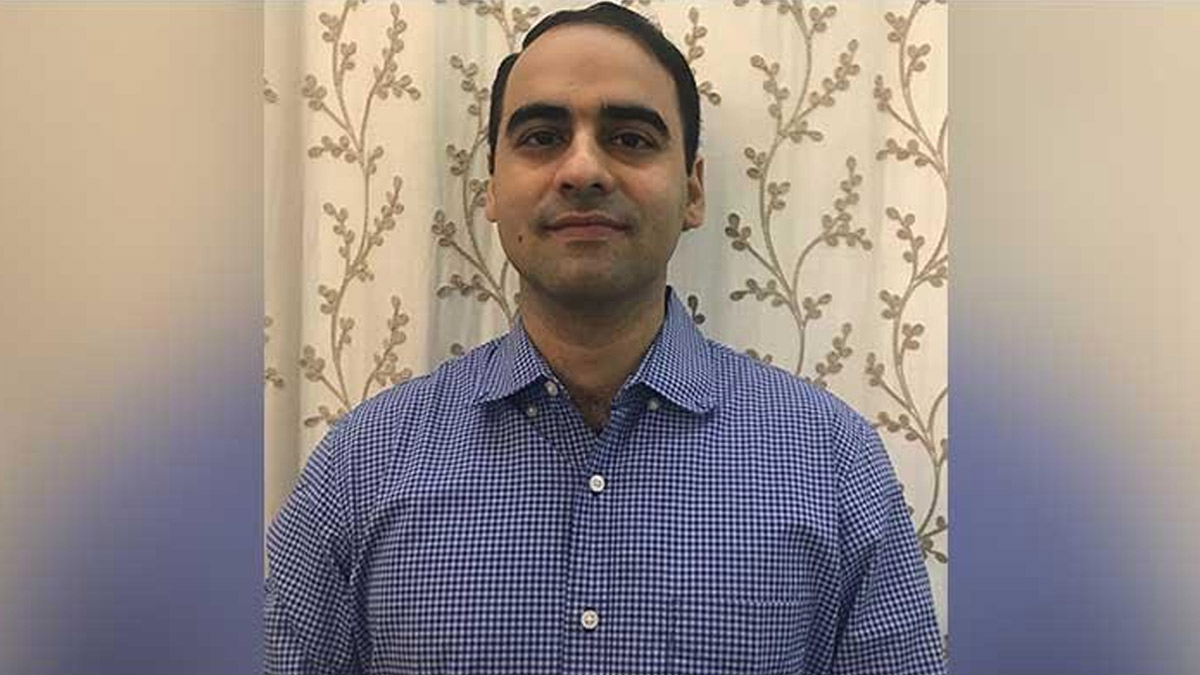
MUMBAI: After more than seven years of steering Uber through the bumpy roads of India’s mobility market, Ameya Velankar has decided to change lanes. Ameya Velankar has stepped down as Head of Marketing for India and South Asia, marking the end of a significant chapter at the ride-hailing company. He had been with Uber since 2019, taking on multiple roles in product and category marketing before rising to lead the marketing function for the region in 2021.
During his tenure, Velankar played a key role in strengthening Uber’s positioning in one of its most competitive and dynamic markets. He helped drive localised marketing strategies and scale adoption across key offerings such as Auto, Moto, Rentals and Intercity, tailoring global platforms to Indian consumer needs.
Prior to joining Uber, Velankar built his marketing expertise at leading consumer companies including SC Johnson and Marico, where he handled category and product leadership roles. His career began at RPG Enterprises.
Details of his next professional move have not been disclosed.
In a fast-evolving mobility landscape where brands constantly battle for attention, Ameya Velankar helped Uber stay relevant and resonant with millions of Indian users. As he moves on from the driver’s seat of marketing, the company will now look for fresh ideas to keep its wheels turning smoothly.






