Brands
Will fairness brands bid adieu?


NEW DELHI: After beauty standards and the flawed idea of "fair is beautiful" caught the limelight amid the #BlackLivesMatter protests in the US, brands have taken a much-needed step across countries. Just yesterday, Hindustan Unilever (HUL) announced that it will be dropping the word 'fair' from its infamous skin whitening product Fair & Lovely and soon announce a new name.
Supporting the #BlackLivesMatter cause, American multinational giant Johnson & Johnson also decided to stop selling its skin lightening products range globally. Clear & Clear will no longer be sold in India and Neutrogena will not be available in the Asian and Middle Eastern markets.
The fairness cream market in India is dominated by HUL, P&G, Garnier, L’Oreal and many others. Brands over the years have played on and perpetuated the idea that fair skin is everything and have been criticised for provoking thoughts which encourage discrimination on the basis of colour.

Fair & Lovely, endorsed by actress Yami Gautam, is considered to be one of HUL's best-selling products, unhampered by criticism.
According to a recently published report, "India Fairness Cream & Bleach Market Overview, 2018-2023", the women's fairness cream category is anticipated to achieve market revenues of more than Rs 5000 crore by the year 2023.
While Johnson&Johnson recently called it quits from the fairness cream market, could we see other brands, especially Indian ones, taking the same route or revise their way of communicating to viewers?
Dentsu Impact VP planning Krittika Chakraborty shares, “The Indian fairness cream market is dominated by HUL whose Fair & Lovely has an 80 per cent share. It is, of course, very much possible that brands like Fair & Lovely may stop advertising during this time as this debate boils over in the international arena. Ad spends might be affected in the short to medium term in India but it is doubtful whether it would directly impact demand for these products.”
Commwiser Consultants co-founder Aman Abbas says that the fetish for fair skin in India is deep-rooted and centuries old. Therefore, it will take many decades of active campaigns and a lot of education for this to start fading off.
There has been a heated debate against such advertisements, as a result, the ministry of health and family welfare finalised drugs and magic remedies (objectionable advertisements) (amendment) Bill, 2020 under which the proposed draft amendment bans advertisements of products that promote fairness creams, enhance sexual performance, cure premature aging and greying of hair, improvement in height of children or adults, among others. The violators will face a penalty up to Rs 50 lakh and can be served prison time for five years.
"Interestingly, the laws are more focused on the ‘misleading claims’, which means whether the creams are actually making one fair or not and whether the ingredients are safe. There is little focus on the very concept of it," Abbas points out.
He also adds, “Global brands like J&J have taken the right step and it must be lauded. But there may be many local players who would view J&J’s exit as an opportunity and move in to fill the gap."
Over the years brands have diversified their business to the male fairness segment as well with leading actors as brand ambassadors including Shah Rukh Khan, Hrithik Roshan, Varun Dhawan and Kartik Aaryan. Indian cricket team captain Virat Kohli was also a former brand ambassador but from 2017, he has refused to endorse fairness brands and others that he doesn't personally use.
Chakraborty says that even if the marketing angle changes, the promise of the product stays the same and that needs to be addressed.
“An answer might lie in ranges and narratives that talk about healthy skin with an equal celebration of all skin tones and face types, not just the ones that fit our prevailing notions of beauty,” she says.
Echoing the same perspective Abbas shares, “The reality is that the society would still ‘need’ fairness creams for the age-old ‘approval’ to look beautiful. So, the products will exist and sold in the market. The brands have an image to keep, appear sensitive to the environment and say the right things. In the days of social media activism that impact the brand image and even sales directly, brands may ‘respond’ to the environment and change the communication to something subtle.”
Chakraborty strongly opines that such products should not exist as they reinforce a dangerous and regressive stereotype.While it's desirable to believe that a change in marketing tactics may cut down demand, she says it's wishful thinking.
“While multinationals might take global calls to end the glorification of light skin or certain beauty standards through their products and advertising, the majority of Indians will still continue to hold light skin in high regard," she says.
Experts believe that the recent backlash will not negatively impact any Indian brand and they will not stop selling such products as they clock huge revenue.







Brands
Jubilant Foodworks to end Dunkin’ franchise in India
Pizza chain operator will not renew agreement when it expires at end of 2026.
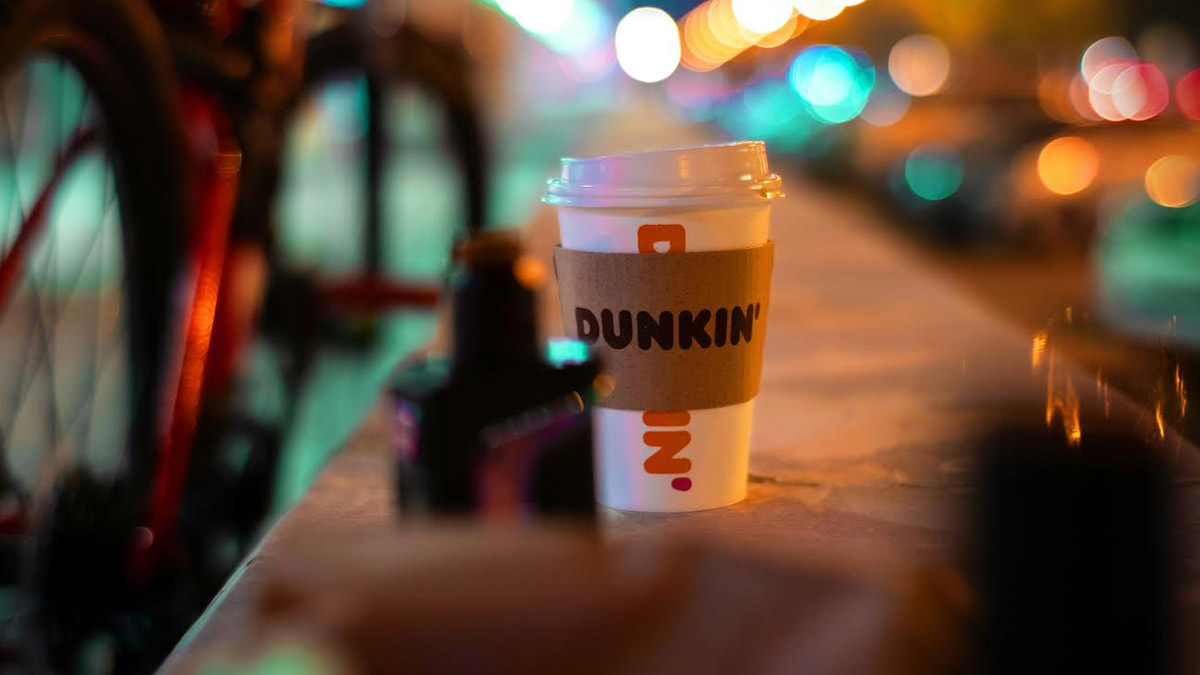
MUMBAI: When the doughnuts stop turning and the coffee goes cold, even a global giant like Dunkin’ can find the Indian market a tough brew to crack. Jubilant Foodworks has decided not to renew its franchise agreement with Dunkin’ when the pact expires on 31 December 2026, according to a Reuters report. The operator, best known for running Domino’s outlets in India, said it would evaluate options for its existing Dunkin’ stores, including a potential sale or transfer of franchise rights, in consultation with the US-based brand.
The decision follows years of underperformance in a market where local tastes and intense competition have made it difficult for international coffee-and-doughnut formats to gain traction. Jubilant, which has increasingly focused on its core pizza business and newer bets like Popeyes, indicated that the exit would not materially affect its financial or operational position.
Dunkin’ accounted for just 0.61 per cent of Jubilant’s revenue in the fiscal year ending 2025 and recorded a loss of approximately Rs 191 million, according to a regulatory filing. The company operated 27 outlets as of December 2025, having shuttered seven stores over the preceding year.
The retreat comes even as Jubilant’s broader business shows signs of momentum. The company reported a 65 per cent rise in quarterly profit for the October to December period, reaching Rs 70.9 crore, up from Rs 42.91 crore a year earlier.
For Jubilant, the exit reflects a sharpening strategic focus. For Dunkin’, it marks another setback in a market that has proven resistant to imported café concepts without significant localisation.
In the cut-throat world of Indian quick-service restaurants, sometimes the sweetest deals are the ones you quietly walk away from leaving more room for the brands that truly rise to the occasion.