Brands
Why ROAS shouldn’t be the North star metric for D2C brand founders

Mumbai: In the competitive landscape of D2C brands, selecting the right agency can be a make-or-break decision. However, many brand owners often fall into the trap of focusing solely on the wrong metrics and questions when choosing an agency partner and jumping from one agency to another, whoever promises the highest ROAS.
During discovery calls with potential agencies, brand owners frequently inquire about metrics and strategies that may not necessarily provide the insights needed to make an informed decision. Questions such as “What ROAS can you get me?” or “Could you increase my current 5x ROAS to 7x?” often dominate these discussions.
When a brand’s north star metric is purely ROAS, it often fails to establish a sustainable or profitable business I’ve even encountered brands that penalize agencies for not meeting target ROAS goals.

While these metrics are important, it is important to understand other metrics in its correlation – like CAC Vs. nCAC (new customer acquisition cost) to gauge the growth of the brand.
Here are some questions D2C brand founders should consider when selecting an agency:
Focus on Problem-Solving Prowess
Instead of fixating on competitor ROAS or benchmark ROAS, inquire about the agency’s experience in tackling challenges specific to your industry. Understand their problem-solving prowess and how they approach unique objectives and hurdles faced by your brand.
Assess the Agency’s Resilience
Business downturns are inevitable, so it’s essential to assess how an agency handles adversity. Inquire about their processes and strategies during tough times. Do they pivot swiftly to adapt to changing circumstances, or do they adopt a wait-and-see attitude?
Align Metrics with Business Objectives
Ensure that the agency’s metrics align with your business objectives and provide meaningful insights. Instead of solely focusing on ROAS, inquire about how they evaluate ROI and whether their metrics reflect your brand’s goals and priorities.
Prioritize Quality over Quantity in Creatives
In industries like apparel, jewelry, and accessories, quality often trumps quantity when it comes to creatives. Understand the agency’s approach to creative development and how they measure success. Emphasize the importance of smart, effective creative strategies over sheer volume.
Understand Reporting Processes
Reporting is essential in performance marketing, but it’s not just about pretty PowerPoint presentations with dashboard screenshots. Inquire about the agency’s reporting processes and their understanding of the numbers behind the data. Ensure that they provide actionable insights rather than just surface-level metrics.
Look Beyond Price
While price is undoubtedly a factor to consider, don’t base your judgment solely on cost. Instead, look for agencies with relevant experience, a track record of success, and a deep understanding of your brand and industry. Focus on the value that an agency can bring to the table rather than simply opting for the cheapest option.
While brand owners may not need to be experts in performance marketing or ad operations, having a fundamental understanding of key metrics is crucial for informed decision-making and strategic planning. In today’s competitive landscape, where digital marketing plays a significant role in brand growth, being aware of performance metrics empowers business owners and top management to assess the effectiveness of marketing efforts, optimize campaigns, and allocate resources wisely. By grasping these metrics, stakeholders can better collaborate with agencies, set realistic goals, and drive sustainable growth for their brand in an ever-evolving market.
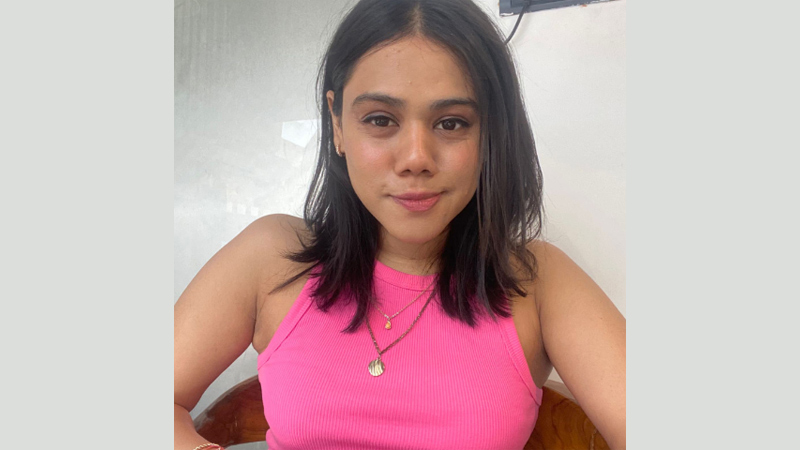
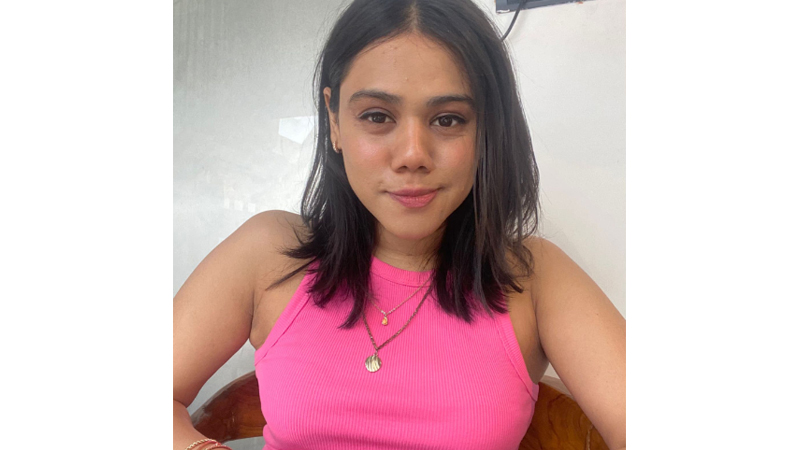
The author of this article is Adbuffs lead creative strategist Talia Praveen.

Brands
Lotus Herbals unveils HydroActivated sunscreen with high-impact campaign
Harnaaz Sandhu fronts digital push spotlighting breakthrough sun care tech

MUMBAI: Lotus Herbals has rolled out a high-decibel marketing campaign to introduce what it calls India’s first hydro-activated sunscreen, aiming to reshape how consumers think about sun protection.
At the centre of the launch is the Safe Sun HydroActivated Sunscreen SPF 50+ PA+++, a formulation built on a patent-pending Hydrosome Technology that activates on contact with moisture. Unlike conventional sunscreens that can weaken with sweat, this product is designed to do the opposite, boosting protection when the skin is exposed to water or perspiration.
The campaign is led by Harnaaz Sandhu and is being amplified across OTT platforms, social media and outdoor locations in key metro cities. The brand film takes a light, relatable approach to everyday sunscreen struggles such as uneven application and fading protection, while positioning the new product as a reliable, high-performance alternative for active lifestyles.
Beyond its core technology, the sunscreen features next-generation UV filters and Edelweiss Flower Extract, offering hydration alongside protection. The formula claims up to 10 hours of water resistance and even, all-round defence against sun exposure and tanning, targeting consumers who want both skincare and performance in one product.
Speaking about the launch, Lotus Herbals chairman and managing director Nitin Passi said, “We are excited to launch India’s first sunscreen with hydroactivated technology which is our most innovative product launch. This isn’t just a sunscreen; it’s a technological breakthrough that utilises a novel manufacturing process. We’ve created a product that stays invisible on the skin yet becomes a performance powerhouse when the user is most active.”
Sharing her experience, Lotus Herbals brand ambassador Harnaaz Sandhu said, “I am thrilled to be associated with Lotus Herbals Safe Sun for their new sun protection campaign. In my world, there is no room for shortcuts, and I need functional and reliable products that work as hard as I do. The hydroactivated sunscreen is a game-changer because it blends with my skin and protects me better when I’m pushing my limits.”
The campaign is being distributed across platforms including JioStar connected TV integrations and ZEE5, along with television placements such as Sa Re Ga Ma Pa in West Bengal. A large influencer push involving over a thousand creators, along with in-store branding and retail activations, is also part of the rollout.
With a blend of science-led positioning and mass-market storytelling, Lotus Herbals is betting on innovation to stand out in the crowded sun care segment, hoping its moisture-powered promise strikes the right chord with today’s always-on consumers.






