MAM
What is a fuel surcharge waiver on a credit card?

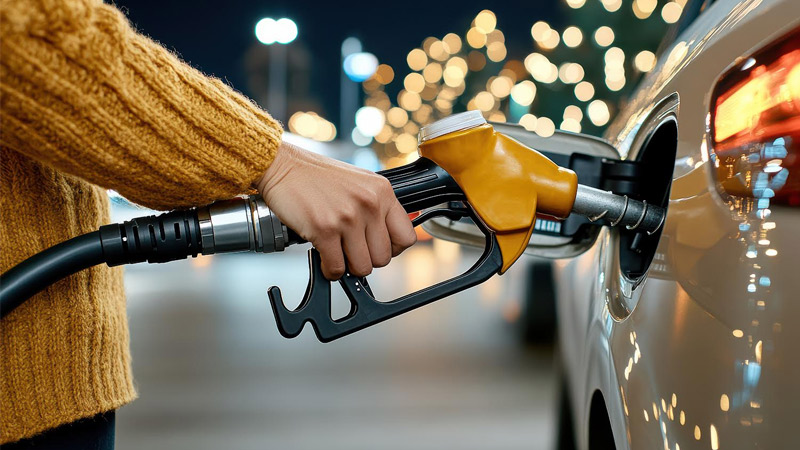
Ever noticed that extra charge at the petrol pump? When you swipe your card to fill fuel, there’s often a little more added to your bill than just the cost of petrol or diesel. It’s not a huge amount but over time, it adds up. That little addition is called a fuel surcharge. Most people don’t realise they’re paying it until they look closely at their statement. Let’s break this down so you know what it is and how to avoid it.
Understanding the cost
To put it simply, every time you use your credit card at a petrol pump, the bank or service provider adds a small fee. It usually ranges between 1% and 3% of the transaction amount.
Now, this isn’t a penalty or a hidden charge. It’s standard practice and is charged to cover handling and processing costs. It doesn’t go to the petrol pump – it’s taken by the payment network or the bank to manage the transaction. So, if you buy ₹1,000 worth of fuel then you could end up paying ₹1,020 or more because of this extra layer.
Some credit cards offer a feature called a fuel surcharge waiver. What this means is that they cancel or refund that extra charge for you either instantly or in your next billing cycle. You still pay the fuel price but you don’t pay the extra fee.
Not all cards offer this and not every transaction qualifies, so you’ll need to read the fine print or check with your provider. But if you drive often or spend a lot on fuel then it can lead to significant savings over the months.
How can you get avail this benefit?
1. Start by checking if your existing card includes this benefit. If not then explore options that explicitly list fuel surcharge waivers under their features. Many cards in the mid and premium category offer this especially those tailored for travel or daily commuters.
2. Even after having the right card, make sure you meet all the conditions. This includes minimum spend amount, eligible fuel stations, payment method and transaction type. These vary across card issuers and skipping even one requirement can void the waiver.
3. Use the correct payment channel. Swipe your card at the physical POS terminal at the fuel station rather than paying through a digital wallet or UPI linked app. Most waivers apply only to direct transactions through swipe or chip and pin methods.
4. Issuers usually set a maximum limit on the waiver amount per billing cycle. Spending more on fuel than the waiver cap allows means any surcharge beyond that limit won’t be refunded.
5. Make sure to monitor your billing statement. Look for either no surcharge being added or for a separate line item reversing the surcharge. If it doesn’t reflect then follow up with the card issuer within the billing period.
Being aware of these steps and reviewing your card’s terms can help you take full advantage of this benefit.
Points to consider before relying on the advantages
These terms help ensure the waiver is applied correctly and consistently.
• Take a look at the minimum amount you need to spend. Most issuers set a spend threshold for the waiver to apply around ₹400 or more. Transactions below this amount may not qualify.
• Understand the monthly cap on the waiver’s value since there is usually a limit to it. For example, you may receive a waiver up to ₹250 per month. Any surcharge beyond that will be charged to your account.
• Some cards provide the waiver only at selected fuel stations. It’s common for issuers to have partnerships with brands like Indian Oil, HPCL or BPCL. Transactions made at non partnered pumps may not qualify for the waiver.
• Not all modes of payment are eligible. In most cases, the waiver is applicable when the card is swiped at the point-of-sale terminal. Transactions made through mobile wallets, QR codes or apps may not receive the benefit.
• Even if the waiver is applicable, it might not be reflected immediately. In many cases, the fee is first charged and then reversed in the following statement. It helps to track your statements and confirm the reversal each month.
A fuel surcharge waiver is a small yet practical benefit that supports smarter spending. It doesn’t drastically reduce your fuel expenses but it helps cut down on non essential fees that can accumulate over time.
Whether you should actively look for this feature depends on your usage pattern. For some, it may offer consistent value. For others, it’s an add on that’s nice to have but not a priority.
If you’re planning to apply for a credit card or upgrade your existing one, be sure to review the complete list of benefits. With that, also check credit card fees and charges. A surcharge waiver is one of many features that can make a difference when chosen thoughtfully.