Digital
WebEngage deepens data science and AI capabilities with an Aquihire

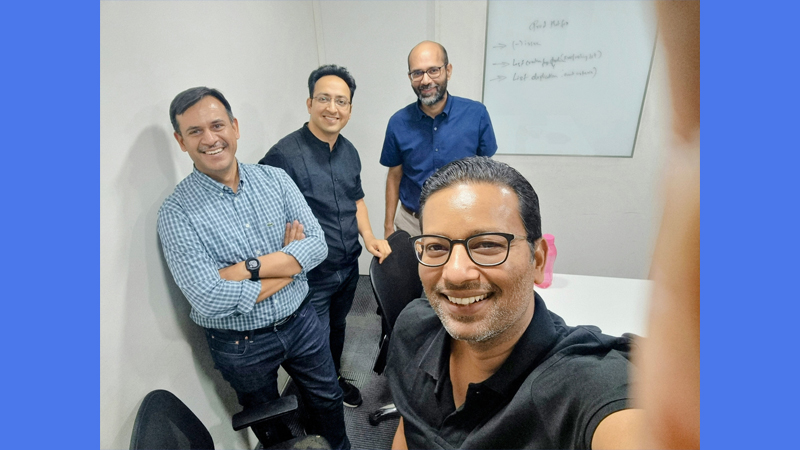
Mumbai: WebEngage, a full stack Retention Operating System, today announced a significant bolstering of its data science and AI practice with the acqui-hiring of the talented Data Scientists from Propellor.ai. This strategic move is aimed at leveraging the billions of data points in the WebEngage CDP to enable clients with comprehensive best in class verticalized analytics and AI driven solutions as Predictive Segmentation, Recommendations and persona building.
WebEngage is intensifying its focus on demonstrating deeper value delivery and ROI from the engagement via a data-enabled Retention Consulting practice. Despite billions of data points and powerful engagement capabilities, the adoption of the platform has room to grow substantially. Unlike acquisition-first advertising platforms like Google and Facebook which have matured over the last couple of decades, the retention and user engagement space is still relatively new and talent supply in the ecosystem is in nascent stages.
“Unlike productivity SaaS, WebEngage is uniquely placed to make a 20-40% impact on a customer’s revenue and profit metrics. Marketers across the world use ~ 20% of their retention tech stacks, limiting the ROI and impact they draw from it. We saw a clear need to deepen our advisory interventions to help move the needle for them. The exceptional team of Data Scientists will now supercharge how we leverage our customers’ data to deliver value. We’re calling this skin-in-the-game consulting because we only win if our customers win,” said WebEngage co-founder & CEO Avlesh Singh.

Abhijat Shukla, the 20 year veteran Data professional and the founder of Propellor says, “I’m excited to find such a vast playground to deploy all the skills and lessons with me and my team on delivering deep insights in easily consumable ways that can enable effective decision making. Data-hungry customers are in for a treat.”
Blume Ventures managing director Karthik Reddy, an investor with WebEngage says, “WebEngage has a tradition of accelerating product sophistication, driven by their customers’ needs. As an investor, we are proud to see this enhanced approach to a data and advisory practice. This can be orbit-shifting in terms of utilization of data for even better retention for the client’s customers. Propellor now means an even more impactful WebEngage inside more global consumer marketing teams.”



Digital
OpenAI’s Stargate lead Peter Hoeschele exits with two senior leaders
Trio behind compute push set to join new startup amid leadership reshuffle
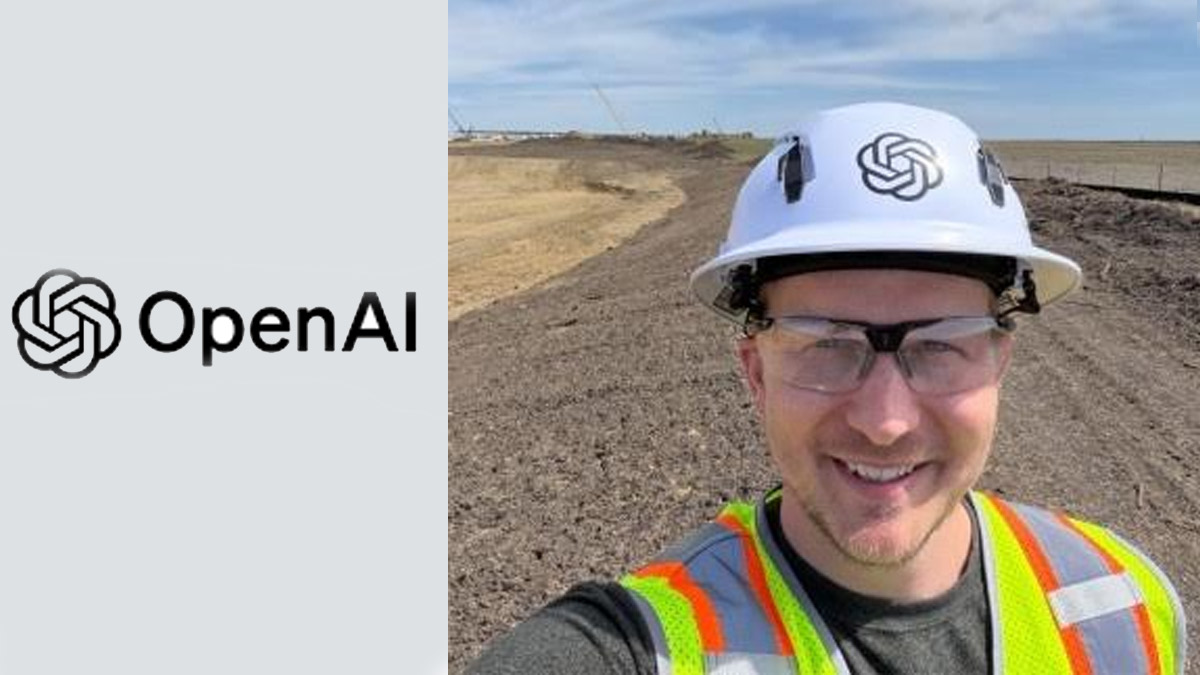
SAN FRANCISCO: Peter Hoeschele, a key figure behind OpenAI’s early Stargate data centre initiative, has exited the company, according to a report by The Information.
The departure is part of a broader leadership shift, with two other senior executives, Shamez Hemani and Anuj Saharan, also set to leave in the coming days. All three are expected to join the same new startup, although details about the venture remain under wraps.
The trio played a central role in OpenAI’s Stargate effort, an initiative aimed at building large-scale data centre capacity in-house to reduce reliance on external infrastructure providers. Their exits mark a notable moment for the company’s compute strategy as it continues to scale rapidly.
OpenAI spokesperson said in a statement to The Information, “We’re grateful for the contributions Peter, Shamez, and Anuj have made to OpenAI and wish them the very best in what comes next.” The company also pointed to the recent appointment of Sachin Katti to lead its industrial compute organisation, signalling continuity in its infrastructure roadmap.
OpenAI has indicated that it does not plan to directly replace Hoeschele’s role, suggesting a possible restructuring of responsibilities within the team.
As competition intensifies in the race to build next-generation AI systems, leadership changes in core infrastructure teams are likely to draw close attention. For now, the spotlight shifts to what this departing trio builds next, and how OpenAI adapts as it scales its ambitions.