MAM
Washington Post CEO exits abruptly after newsroom cuts spark backlash
Leadership change follows layoffs, protests and a bruising battle over trust.

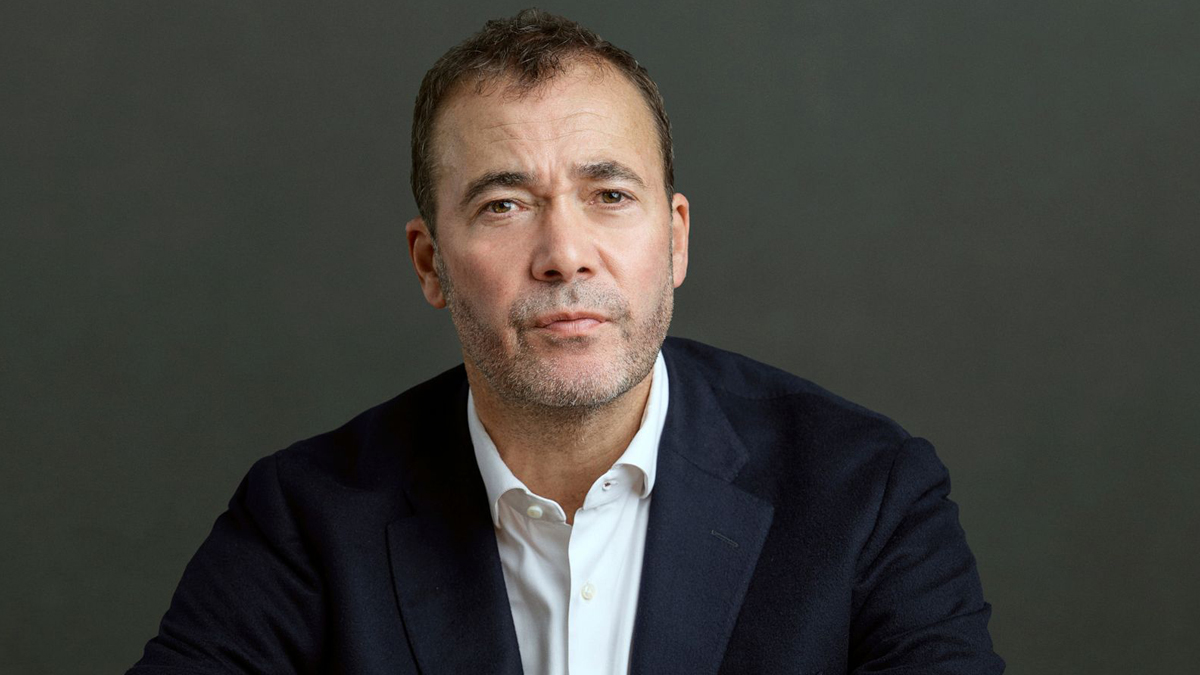
MUMBAI: When the presses are rolling but patience runs out, even the editor’s chair isn’t safe. The Washington Post announced on Saturday that its chief executive and publisher Will Lewis is stepping down with immediate effect, bringing a sudden end to a turbulent two-year tenure marked by financial strain, newsroom unrest and public backlash.
Lewis’s exit comes just days after the Bezos-owned newspaper announced sweeping job cuts that triggered protests outside its Washington headquarters and a wave of anger from readers and staff. While newspapers across the US are grappling with shrinking revenues and digital disruption, Lewis’s leadership had increasingly come under fire for how those pressures were handled.
The Post confirmed that Jeff D’Onofrio, a former Tumblr CEO who joined the organisation last year as chief financial officer, has taken over as CEO and publisher, effective immediately. In an email to staff, later shared by reporters on social media, Lewis said it was “the right time for me to step aside.”
The leadership change follows the announcement of large-scale redundancies earlier this week. While the Post did not officially confirm numbers, The New York Times reported that around 300 of the paper’s roughly 800 journalists were laid off. Entire teams were dismantled, including the Post’s Middle East bureau and its Kyiv-based correspondent covering the war in Ukraine.
Sports, graphics and local reporting were sharply reduced, and the paper’s daily podcast, Post Reports, was suspended. On Thursday, hundreds of journalists and supporters gathered outside the Post’s downtown office in protest, calling the cuts a blow to public-interest journalism.
Former executive editor Marty Baron described the moment as “among the darkest days in the history of one of the world’s greatest news organisations.”
Lewis defended his record in his farewell note, saying “difficult decisions” were taken to secure the paper’s long-term future and protect its ability to publish “high-quality nonpartisan news”. But his tenure coincided with growing scrutiny of editorial independence at the Post.
Owner Jeff Bezos faced criticism for reining in the paper’s traditionally liberal editorial page and blocking an endorsement of Democratic presidential candidate Kamala Harris ahead of the 2024 US election. The move was widely seen as breaking the long-standing firewall between ownership and editorial decision-making.
According to a Wall Street Journal report, around 250,000 digital subscribers cancelled their subscriptions after the paper declined to endorse Harris. The Post reportedly lost about $100 million in 2024 as advertising and subscription revenues slid.
While the wider newspaper industry continues to battle declining print advertising and the pull of social media, some national titles have stabilised. Rivals such as The Wall Street Journal and The New York Times have managed to build sustainable digital businesses, a turnaround that has so far eluded the Post despite its billionaire backing.
As Jeff D’Onofrio steps into the role, the challenge is stark, restore confidence inside the newsroom, win back readers who walked away, and prove that one of America’s most storied newspapers can still find its footing in a brutally competitive media landscape.






