MAM
Walplast and Nanhi Kali come together for an inspiring Diwali celebration


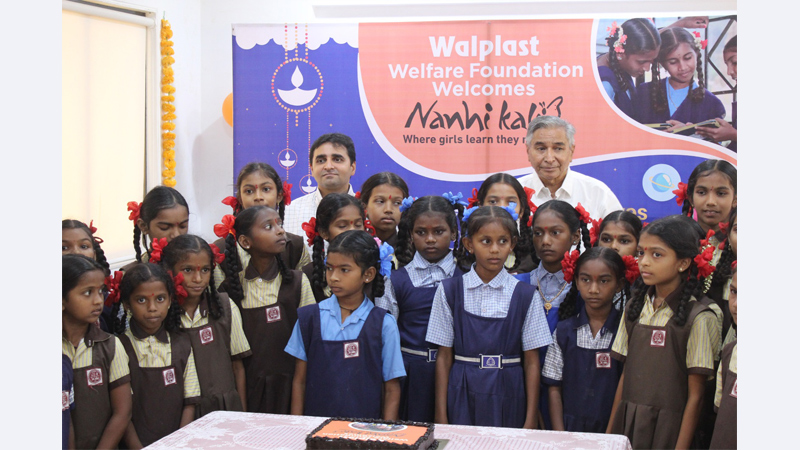
Mumbai: Walplast, through its CSR arm, Walplast Welfare Foundation, hosted an educational event in collaboration with Project Nanhi Kali at their head office in Navi Mumbai on 9 November. The event saw the enthusiastic participation of 33 young students (Std.III to V) from the Nanhi Kali project, hailing from a Palghar school, accompanied by seven key community associates.
Walplast, well-known for its commitment to corporate social responsibility, pulled out all the stops to ensure the event was memorable and educational. The event was more than just a one-day gathering; it represented the continuation of Walplast’s commitment to support these Nanhi Kali students in their educational journey. The company recognises the profound impact that education can have, not only on the individual lives of these children but also on the broader community.
The Nanhi Kali students were engaged in activities designed to stimulate their minds and creativity. These activities included storytelling sessions with moral lessons, a lively and interactive question-and-answer session to test their knowledge, interactive games to keep them engaged and opportunities for the young girls to explore their artistic side by painting diyas (traditional lamps) and participating in a craft session.
The event was a true celebration of the spirit of Diwali, bringing together members of the Walplast team, students and community associates from the Nanhi Kali project. Walplast managing director Kaushal Mehta expressed his enthusiasm and said, “Education is a transformative force, and events like these create lasting impacts. Our collaboration with Nanhi Kali goes beyond mere philanthropy; it’s about investing in the future leaders of our society. Seeing the bright faces of these students reinforces our commitment to empowering every child with education.”
Chairman Ashok Mehta, who also graced the event, echoed these sentiments, stating, “This event signifies our dedication to bridging the educational gap for underprivileged children. Through engaging activities and personal interactions, we aim to inspire these young minds, giving them the confidence to dream big and achieve their goals. We believe in the power of education to bring positive change, not just in the lives of these children but in the entire community.”
In addition to fun and learning, the event also featured a heartfelt cake-cutting ceremony and a delicious lunch, fostering a sense of community and togetherness. The Walplast team, alongside the Nanhi Kalis and Community Associates, shared moments of joy, laughter, and learning, leaving an indelible mark on everyone present.
As a manufacturer of building construction materials, Walplast has always recognized the strong connection between business success and social responsibility. Their dedication to corporate social responsibility goes beyond mere philanthropy; it involves actively engaging in improving communities and the environment. By partnering with Project Nanhi Kali, a non-profit organization committed to delivering high-quality education and assistance to underprivileged girls across India, Walplast is taking concrete steps toward creating positive societal change.
Through this partnership, Walplast Welfare Foundation supports the education of 816 Nanhi Kali students, encompassing both primary and secondary education. These girls hail from Palghar (Maharashtra), Bharuch (Gujarat), Varanasi (Uttar Pradesh), and Nashik (Maharashtra), representing a significant stride towards empowering underprivileged children with the tools they need to succeed.
Project Nanhi Kali, established by Anand Mahindra in 1996, has been dedicated to providing comprehensive support to economically and socially disadvantaged girls enrolled in government schools across India. Over the past two decades, this project has positively impacted the lives of more than 550,000 girls, affectionately known as “Nanhi Kalis,” across 15 states of India.