Brands
Volkswagen India plans 12 per cent workforce cut by 2027
Restructuring aims to lower costs ahead of new vehicle and EV investment


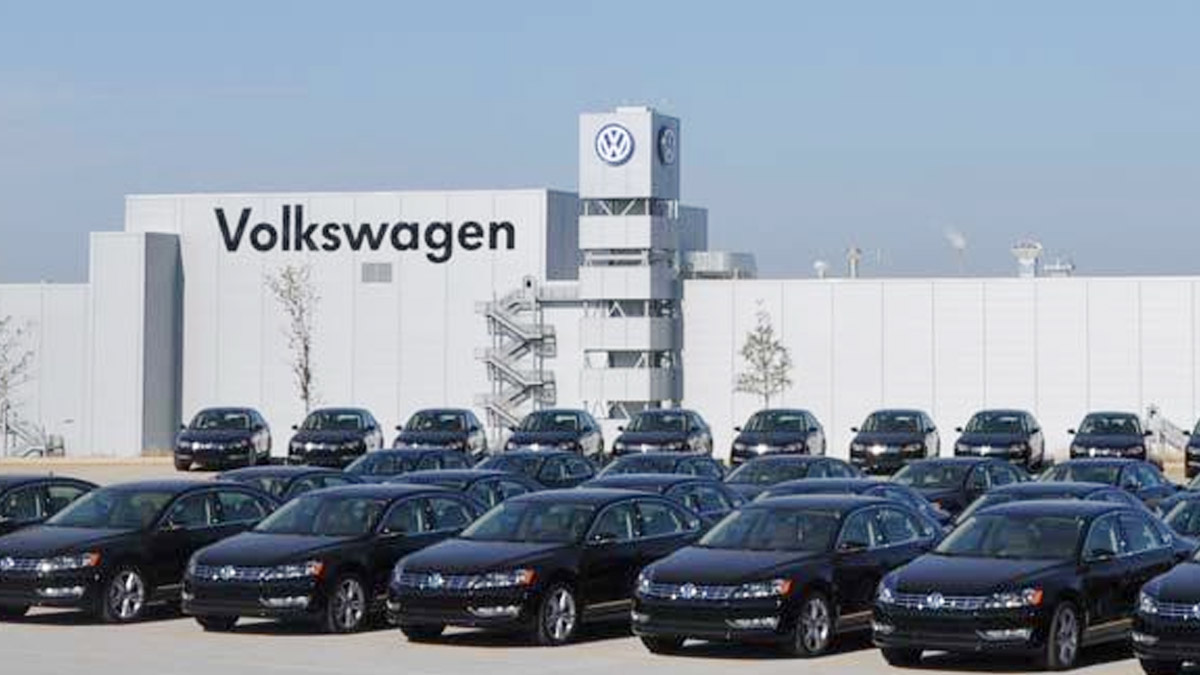
MUMBAI: Volkswagen is shifting gears in India, but it is not taking its foot off the accelerator. The automaker is accelerating a restructuring programme that could reduce the workforce at Škoda Auto Volkswagen India by around 12 per cent by 2027, as it looks to bring down operating costs ahead of its next investment cycle.
The restructuring began in 2025, but the pace is now being stepped up, with job reductions expected in stages through 2027. According to a report cited by CNBC-TV18, the cuts could affect a few hundred office and factory positions across the India operation.
The objective is less about shrinking the business and more about changing its cost equation. Volkswagen wants a leaner operation before committing further spending to the next generation of vehicles, including electric models. Once completed, the savings are expected to run into tens of millions of dollars.
The company has stressed that the workforce reduction does not signal a retreat from India. Piyush Arora, managing director and CEO of Škoda Auto Volkswagen India, has said the company will continue optimising operations while increasing investment in the country. The local engineering team is also expected to expand.
That makes the restructuring an unusual balancing act: fewer people in some parts of the organisation, but more investment and engineering capability in others.
India is being positioned within the Volkswagen Group as a manufacturing, engineering and export hub. Lowering the cost base now could therefore give the company more financial headroom for products, localisation and technology when its next investment cycle begins.
Volkswagen has struggled to build substantial scale in India despite its multi-brand presence and manufacturing footprint. Its next challenge is to become more competitive in a market where rivals are fighting aggressively on price, technology and increasingly, electric vehicles.
EVs are expected to be central to that next chapter. The group has been evaluating how global electric platforms and technology can be adapted for India, including the potential for greater local production.
The timing is significant. Tata Motors, Mahindra, Hyundai, Kia and Chinese-linked players are expanding their electric-car offerings, making India’s EV market increasingly crowded. For Volkswagen, the task is not simply to put an electric vehicle on Indian roads, but to make one that works commercially in a market where volumes are still developing.
That is where the cost-cutting comes in. Reducing overheads before the next product cycle could free up money for engineering, localisation and new technology rather than carrying today’s cost structure into tomorrow’s launches.
There is another potential piece to the India puzzle: the Sajjan Jindal-led JSW Group. Volkswagen is in discussions with JSW over a possible partnership that could give the Indian group a controlling stake and bring additional capital into the business. Škoda is leading the Volkswagen Group’s India strategy, with Reuters reporting in August that Volkswagen expected to finalise a local partnership this year.
Such a tie-up could give Volkswagen greater access to local capital while allowing the two sides to share some of the investment and risk involved in expanding the business and developing new products, including EVs.
The India restructuring is separate from Volkswagen CEO Oliver Blume’s much larger global turnaround. The global programme approved this week calls for another 50,000 job cuts worldwide, on top of reductions already under way, as the group tackles excess capacity, high costs, tariffs and intensifying competition from Chinese automakers.
For Volkswagen India, the message is therefore one of leaner operations before a bigger bet cutting costs today in the hope of having more room to invest tomorrow.