MAM
Vivek Gambhir and Kevin Aluwi join Lightspeed as venture partners

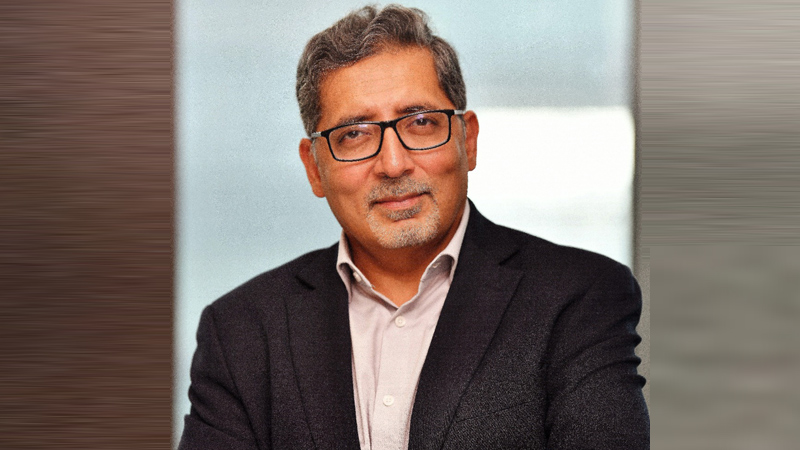
Mumbai: Lightspeed expands its senior team in India and Southeast Asia by welcoming Vivek Gambhir and Kevin Aluwi as venture partners, reaffirming the firm’s long term commitment to the start-up ecosystem in the region.
Vivek Gambhir is a seasoned executive with over 30 years of experience as CEO, chief strategy officer, and board member in Consumer Goods (FMCG), consumer technology, management consulting. In India and the US until recently Vivek was the CEO at boAt and has transitioned into a board member role. Previously, Vivek was CEO and managing director of Godrej Consumer Products Limited (GCPL) where he spearheaded the transformation and global expansion of the company to become a leading emerging markets home & personal care company. He also was the chief strategy officer of the group responsible for formulating group vision, defining portfolio strategy, mentoring company CEO’s and enhancing strategic capability of group companies. Prior to Godrej, Vivek was a founding member of Bain & Company’s consulting operations in India. He also serves on the boards of Metropolis Healthcare, Honasa Consumer (Mama Earth) and Samast Technologies (Magic Pin).
Vivek specialises in partnering closely with founding teams to scale up their businesses and accelerate value creation and will lend his rich leadership experience to the next generation of builders in the Lightspeed portfolio.
Kevin Aluwi was most recently co-founder and CEO at Gojek, one of the Southeast Asia region’s start-ups and Indonesia’s leading ride-hailing, food-delivery, and payments app which went public on the Indonesian stock exchange after merging with local e-commerce giant Tokopedia. His expertise and leadership in the Southeast Asian market are well illustrated through his journey and he is passionate about using his time at Lightspeed to help other founders as a thought partner on all parts of company building, particularly in product, marketing, and scaling organizations. As a fervent believer in the power of technology to advance humanity, he’s excited to work in service to visionary and tenacious founders (believing both in equal measure are necessary) from around the world.
Lightspeed partner Bejul Somaia shared ” At Lightspeed, the strength of our team and partnerships acts as a force multiplier for the founders we serve. We are thrilled to welcome Vivek and Kevin into our growing teams in India and SEA. In their roles as Venture Partners they will be collaborating with founders, shaping their journeys, and contributing to the growth and development of our portfolio companies in the region”
Lightspeed continues to focus on foundational sectors such as enterprise software, FinTech, consumer and commerce while leaning into emerging trends across AI, Climate and space-tech recognising the immense potential for growth in the region. The firm has partnered with more than 100 companies in India and Southeast Asia, including OYO, Udaan, Sharechat, Acceldata, Innovaccer, PocketFM, Darwinbox, Razorpay, Aspire and Youtrip, among others.
Lightspeed’s global platform supports bold founders across sectors, in any geography, and at any stage of their entrepreneurial journey. In addition, the portfolio companies are supported by a platform team of experts across legal, talent, marketing, finance and corporate development.