MAM
Vistara releases unique, yoga-based safety video filmed outdoors across India
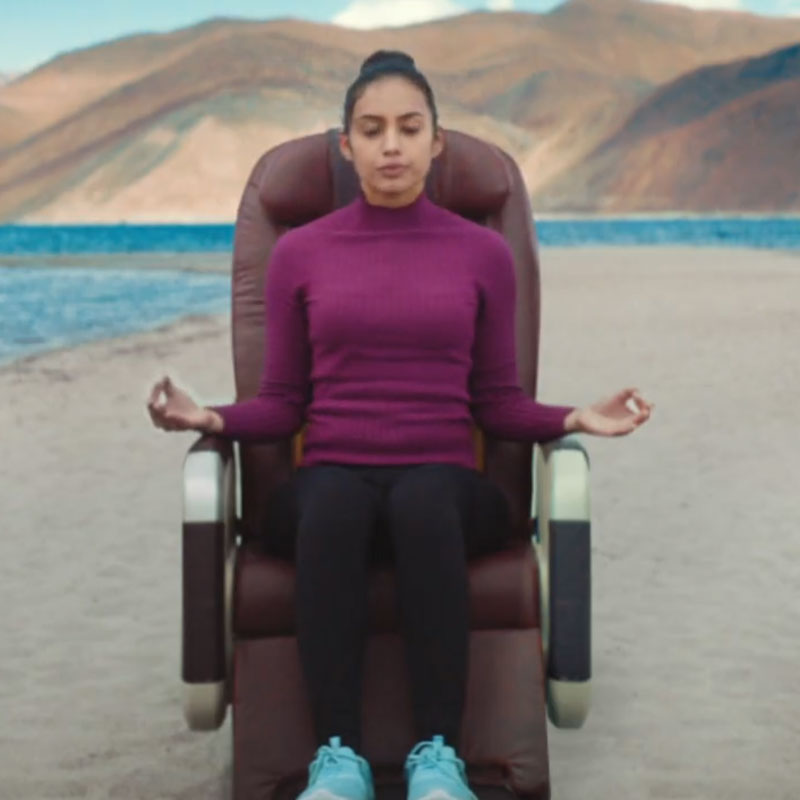
NEW DELHI: Full service carrier, Vistara has released its first-ever in-flight safety video that will be displayed in its brand-new Airbus A321neo and Boeing 787-9 Dreamliner aircraft. The new safety video combines the necessary safety instructions demonstrated through various Yoga asanas or postures.
Vistara has developed the safety video in collaboration with its creative agency, FCB India. The videos will be played in Hindi and English.
The key objective of the video is to demonstrate safety instructions in a visually appealing manner to hold the interest and attention of customers. It also aims to take customers on a relaxing journey to some of the most picturesque and off-beat locations across the length and breadth of India, showcasing the best of what the country has to offer as a travel destination, the company said in a press statement.
Vistara’s CCO Vinod Kannan, said, “There was no better way to show Vistara’s Indian roots and its global, contemporary outlook than this. Yoga is one of India’s greatest gifts to the world, practiced by hundreds of millions of people, and our country’s diverse landscape continues to surprise natives and visitors alike. The video combines both these aspects with an important safety briefing to help travelers remain not just safe, but also arrive feeling fresh at their destinations.”
FCB national creative director Surjo Dutt said, “Most safety instructions videos go unnoticed, playing in the background on our flights. But this one keeps you hooked from the very beginning. The essence of India – Yoga, clubbed with the awe-inspiring offbeat Indian destinations, wrap the life-saving safety briefing in the fabric of Incredible India. It gives passengers something unprecedented to watch.”

Brands
Hyundai and TVS Motor partner to develop electric three wheelers
Joint development pact targets last mile mobility with localisation push
MUMBAI: Three wheels, one big ambition and a charge towards the future. Hyundai Motor Company and TVS Motor Company have signed a joint development agreement to co-create electric three-wheelers (E3Ws), aiming to crack India’s complex last-mile mobility puzzle. The collaboration moves beyond concept talk into execution mode, building on the E3W prototype first showcased at the Bharat Mobility Global Expo 2025. The goal now is clear, design, develop and commercialise a purpose-built vehicle tailored to Indian roads, riders and realities.
Under the agreement, Hyundai will lead design and co-development, bringing its global R&D muscle and human-centric engineering approach to the table. TVS Motor, meanwhile, will anchor the product on its electric platform, leveraging deep three-wheeler expertise and local market insight. It will also handle manufacturing and sales in India, with an eye on exports down the line.
The timing is strategic. India remains the world’s largest three-wheeler market, where affordability, durability and adaptability often outweigh sheer innovation. The upcoming E3W aims to strike that balance combining advanced technology with practical features such as adaptive ground clearance for monsoon-hit roads, improved thermal management for tropical climates, and flexible interiors suited for passengers, cargo or emergency use.
A key pillar of the partnership is localisation. Major components will be sourced and manufactured within India, a move expected to strengthen the domestic supply chain, create jobs, lower costs and improve after-sales support.
The shift from prototype to production will involve rigorous testing, certification and refinement to meet regulatory standards and consumer expectations. Dedicated cross-functional teams from both companies are already in place to accelerate timelines.
At a broader level, the tie-up reflects a growing trend in mobility, global players partnering with local specialists to navigate emerging markets. For Hyundai and TVS, the bet is that combining scale with street-level insight could unlock a new chapter in sustainable urban transport, one that runs not just on electricity, but on relevance.