MAM
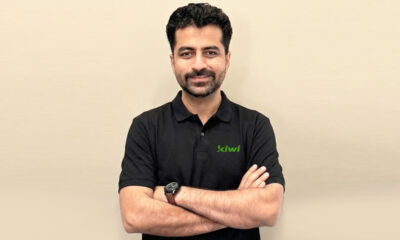
Visa taps Gaurav Ramdev to lead Insa marketing

MUMBAI: Visa has appointed Gaurav Ramdev as head of marketing for India and South Asia, placing him on both the Asia Pacific Marketing leadership team and the Insa Business leadership team. The move marks another milestone in a career built on turning brands into household names and scaling businesses across fintech, FMCG and technology.
Ramdev said he is grateful to the colleagues and mentors who shaped his journey, thanking leaders including Danielle Jin, Sandeep Ghosh, Gladys Chan, Dr Minh Tran, Rishi A Chhabra, Rachita Marwaha, Vidisha Chatterjee, Richard Burfitt and Lynn Choi for enabling the transition. Just weeks into the role, he noted he is inspired by Visa’s leadership principles, energised by the clarity of the 2026 Asia Pacific and Insa Market Kickoffs and motivated by the marketing team he now leads. For him, Visa sits at the crossroads of trust, technology and daily progress, offering room for meaningful change.
Ramdev arrives with a hefty portfolio. He serves as co-chairperson of Assocham’s National Council of Branding and Marketing and is a council member on the Consumer Complaints Council at ASCI, one of only forty marketing leaders in India to hold the role.

Most recently, he was executive vice president, CMO and CGO at Protean eGov Technologies, where he led brand, communications and growth across D2C and B2B channels, delivered the organisation’s public listing, built a 30 member team and helped the company secure more than twenty awards. Before that, he served as head of marketing for RazorpayX, scaling awareness, shaping brand campaigns, partnering with leading venture capital firms and reducing acquisition costs by 400 percent while tripling active users.
His earlier innings at Coca Cola saw him revive Fanta after years of decline, steer multi brand portfolios across India and South West Asia and deliver sharp volume and value gains in successive roles. He has also helmed brands at Britannia, Orkla and ITC, and began his career in technology with Satyam.
With two decades of experience spanning biscuits to banking and fizz to fintech, Ramdev now takes charge of Visa’s marketing engine in a region where digital payments continue to surge. As he puts it, he is all in, ready to build momentum, spark innovation and shape what the next chapter of payments looks like.






India’s early education sector is growing fast, making preschool franchises a profitable business option for new entrepreneurs. However, success depends heavily on clear budgeting and realistic financial planning in the first year. From initial setup costs to monthly expenses and expected revenue, every detail matters.
This guide breaks down the year 1 costs and explains how long it typically takes to reach break-even and start generating consistent profit.
Initial Investment Breakdown
The initial investment includes the key costs required to set up the centre and prepare it for admissions. For anyone evaluating a preschool franchise in Chennai, this breakdown helps explain where the money goes at the start and supports better financial planning during the launch stage.
Franchise Fee
The franchise fee is usually the first fixed outlay. It may include onboarding, training support, and access to the operating model. This amount should be separated from the premises budget, since it does not usually cover fit-outs, hiring, or local compliance.
Infrastructure Setup
Infrastructure setup often takes a major share of the budget. Interior work, child-safe flooring, washroom changes, classroom partitions, storage, and entry security can all affect the final figure. Costs may also vary depending on whether the property needs basic modification or a full fit-out.
Furniture & Equipment
This includes classroom seating, storage units, play materials, learning aids, outdoor play items, office furniture, and basic technology. A realistic estimate should separate essential purchases from items that can be added later, so the first-year budget stays more controlled.
Monthly Operating Costs
Monthly operating costs are the regular expenses needed to keep the centre running smoothly after launch. While reviewing the overall playgroups franchise cost, these recurring payments are important because they directly affect cash flow and the time taken to reach stable returns.
Rent
Rent is usually the most predictable recurring cost, but it can create pressure if occupancy grows slowly. A Year 1 plan should include security deposits, possible rent increases, and the risk of low enrolment in the early months.
Staff Salaries
Teacher salaries, helper wages, and administration support form the core of monthly expenditure. Payroll planning should consider the minimum staffing needed to run safely and consistently.
Utilities & Maintenance
Electricity, water, internet, cleaning supplies, repairs, sanitisation, and routine upkeep can add up throughout the year. A play school for young children must also plan for regular wear and tear. A small maintenance buffer can help cover these repeated costs.
Revenue Potential in Year 1
Revenue in the first year depends on how the centre earns from admissions and how quickly enrolment improves. A clear view of fee planning and student strength helps in understanding how soon the business may move towards operating balance.
Fee Structure
Revenue depends on how fees are structured across admission charges, tuition, activity components, and other school-related collections. It is equally important to map when payments are received, since cash flow timing can influence working capital during the first year.
Student Capacity
Student capacity plays a central role in the profit timeline. A centre may open with room for more children than it can initially enrol, so profitability often depends on how quickly seats are filled. Fixed costs begin immediately, while revenue builds gradually, which is why some centres reach monthly break-even earlier than others.
Conclusion
A good year-1 budget for a play school franchise should balance setup expenses, monthly commitments, and the likely pace of admissions. The key issue is not only the opening spend, but how long the centre can operate before enrolment supports recurring costs. When each cost item is mapped clearly, the profit timeline becomes easier to assess, and financial decisions become more measured from the outset.








