MAM
Visa launches Olympic Mentors scheme

LONDON: Visa EU, a subsidiary of Visa International, has announced the launch of ‘Team Visa’, an integrated sponsorship programme across a number of European markets that combines the popularity and appeal of famous Olympic greats (‘Olympic Mentors’) with the positive influence they will have on the up and coming Olympic and Paralympic stars (Olympic ‘Hopefuls’).
Visa International is a worldwide Olympic partner and the exclusive payment card of next year’s Olympic games in Greece. An official release informs that this is an expansion of Visa’s commitment to the Olympic Movement, National Olympic Committees and national teams, which has been an important factor in ensuring the continuance and success of the Olympic Games.
Across Europe, Visa, in partnership with its member banks, will be supporting a large group of Olympic ‘Hopefuls’. This refers to athletes with potential to get into their national teams for the Athens 2004 Olympic Games or Paralympic Games – through direct financial contributions. These can be used by the athletes to pay for their training and travelling expenses, as well as on-going advise and support from the Team Visa ‘Mentors’.

Visa EU’s executive VP relationship management and marketing Steve Perry said, “We are supporting Team Visa across Europe because the Olympics are all about having pride in your national team, about celebrating national differences and backing local heroes.
Some of the athletes in Team Visa in the UK are 400m Sprinter Daniel Caines who is ranked No.1 in Great Britain, Leanda Cave who became the first ever British female triathlete to win the World Triathlon title in 2002.
The release states that there is a perfect synergy between Visa EU’s brand strategy of ‘The Future Takes Visa’ and supporting the Olympic Hopefuls through Team Visa – the up and coming athletes of the future. The Olympic Hopefuls are critical to the integration of the Olympics within ‘The Future Takes Visa’ as they provide the perfect link between the brand strategy and Olympic values.




Brands
Axis Bank named Official Banking Partner of DP World PGTI
Partnership supports all tournaments this season to grow professional golf in India.
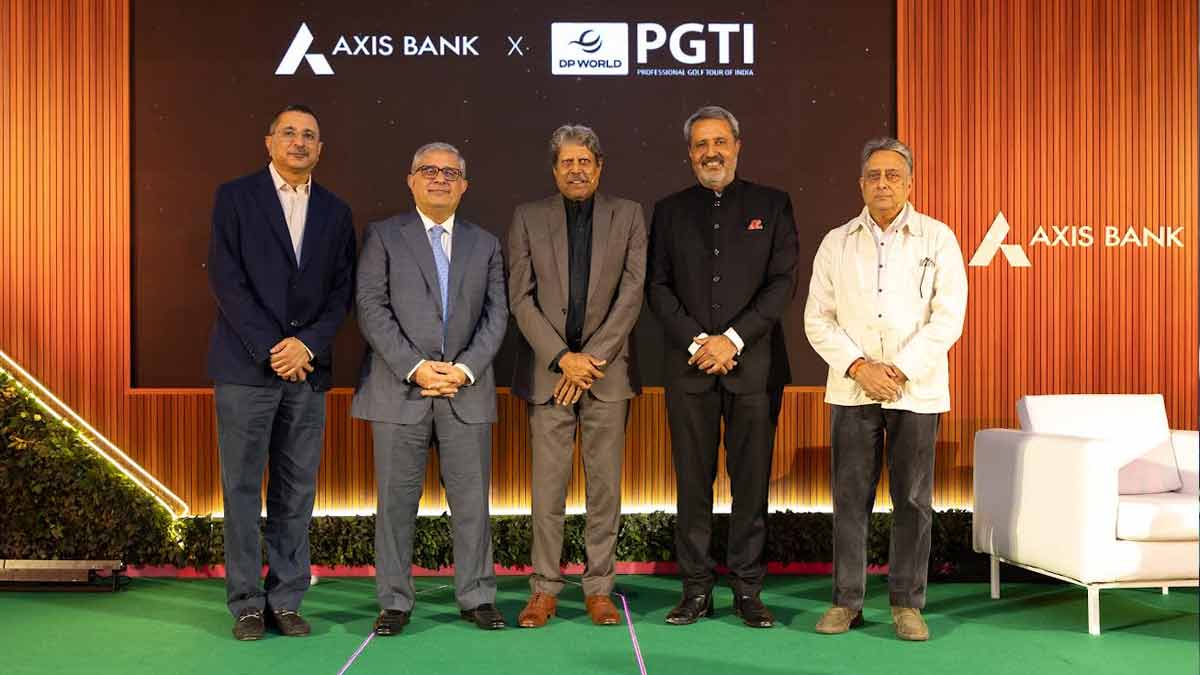
MUMBAI: Axis Bank just teed up a hole-in-one partnership because when a bank sponsors golf’s biggest swing in India, even the fairways feel more financially secure. Axis Bank has been appointed Official Banking Partner of the DP World Professional Golf Tour of India (DP World PGTI), strengthening its commitment to sporting excellence and community engagement while backing the growth of professional golf across the country.
Under the partnership, Axis Bank will support all DP World PGTI tournaments this season, contributing to talent development, enhanced tournament experiences and wider fan engagement. The collaboration aligns the bank’s values of precision, discipline and trust with the Tour’s focus on performance and opportunity.
Axis Bank executive director Munish Sharda said, “We are pleased to partner with DP World PGTI as its Official Banking Partner. Golf embodies precision, discipline, and a pursuit of excellence qualities that strongly reflect who we are at Axis Bank. This association also strengthens our engagement with India’s growing premium customer segments, where the sport has a deep and enduring connect.”
Professional Golf Tour of India president Kapil Dev said, “We are extremely pleased to welcome Axis Bank as a Tour Partner of the DP World Professional Golf Tour of India. Partnerships of this stature play a vital role in strengthening the foundation of the Tour, enhancing opportunities for our players, and expanding the sport’s reach across the country.”
Professional Golf Tour of India CEO Amandeep Johl added, “Axis Bank’s strong legacy of excellence, innovation, and nationwide reach aligns perfectly with DP World PGTI’s goal to elevate professional golf in India and provide greater opportunities for our players.”
In a sport where every stroke counts and every partnership drives distance, Axis Bank isn’t just backing golfers, it’s investing in the fairway to future, turning India’s greens into a stage where precision meets passion and every drive has the power to inspire.