MAM
Viral goes viral at National Payments Corp RuPay unit

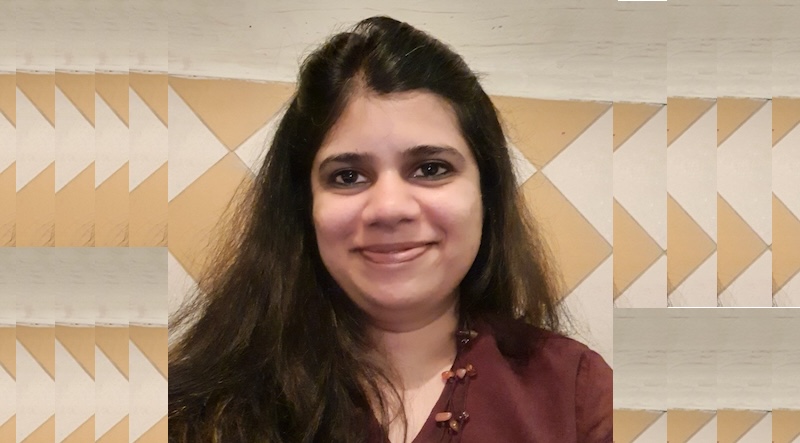
BENGALURU: The National Payments Corp of India (NPCI) has landed Viral Maru as its new head of RuPay, betting that her decade-long streak of making plastic fantastic will turbocharge India’s homegrown card network. Maru’s mandate? Transform RuPay from plucky underdog into a credit, digital and tokenised payments juggernaut that can slug it out with the Visa-Mastercard duopoly.
It’s a hire that makes sense. Maru has spent the better part of ten years making Indians swipe, tap and spend. Most recently, as vice-president and head of banking and payments at Fi, she steered the Neobank’s charge into cards and UPI. Before that, she spent five months at Tata Digital as director of strategic initiatives, having already put in two-and-a-half years launching the Tata Neu HDFC Bank credit card—an app-first assault on India’s loyalty ecosystem.
But it’s her nearly six-year stint at HDFC Bank that really sharpened her chops. As vertical head of digital acquisitions and innovation, she doubled online-sourced cards year-on-year, moved 80 per cent of physical sales to digitally assisted channels, and built API stacks that made card onboarding almost frictionless. She also championed tokenisation on Google Pay and Jio Pay, and launched instant card issuance—the sort of stuff that makes fintech types go weak at the knees.
Earlier, as product and portfolio head for Diners Club consumer cards at HDFC, she doubled acceptance coverage across India and dreamt up a self-sustaining 10X rewards programme that turned Diners into the card of choice for the swish set. She even put real-time lounge usage displays on point-of-sale terminals—an industry first that made airport lounges slightly less of a scrum.
Her career started at Axis Bank, where she launched online remittance platforms for the UAE, America, Britain, Singapore and Canada, and grew NRI accounts by 50 per cent year-on-year. A stint at Citibank India polished her acquisition and brand-building skills before she entered the big leagues.
Now, with NPCI’s backing and India’s digital payments infrastructure maturing at breakneck speed, Maru has her work cut out. RuPay may already be ubiquitous at petrol pumps and kirana shops, but cracking premium cards and credit is another game entirely. If anyone can make it happen, though, it’s someone whose career has quite literally gone viral.