Connect with us

Brands

Vega turns helmet apathy into a national wake-up call

Published

on

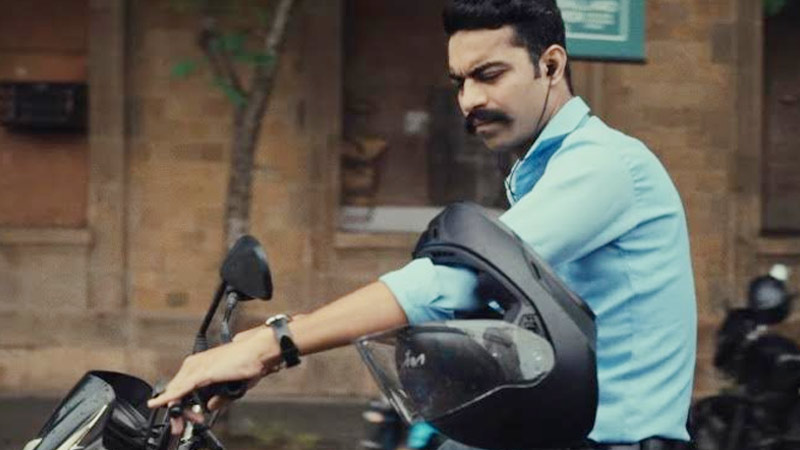
PUNE: India’s leading road-safety brand has decided shock works better than sermons. Vega Auto has launched a blunt new nationwide campaign that takes aim at one of the country’s deadliest everyday hypocrisies: the helmet worn on the arm, not on the head.

Titled “Pehnoge toh bachoge”, the initiative reframes helmet usage as a life-and-death choice rather than a fine-avoidance trick. The message is simple, and unforgiving: owning a helmet means nothing if it is not worn.

The trigger is grim arithmetic. India clocks more than 4,00,000 road deaths a year. Over 55,000 of them are two-wheeler riders who had helmets close at hand—but not where they mattered. Vega’s campaign film, set amid the familiarity of Mumbai traffic, turns that statistic into a visceral moment. Fathers, students and office-goers treat helmets as accessories, until a sudden crash cuts the noise. Silence follows. A helmet spins in mid-air. The line lands hard: wearing a helmet saves lives; carrying one does not.

Advertisement

Dilip Chandak, chairman of Vega Auto, says the company’s responsibility does not end at the point of sale. Millions of helmets already sit in Indian homes, he notes. The failure is not supply, but behaviour. The campaign is designed to shift riders from compliance to conviction—from dodging challans to choosing survival.

Founded in 1989 and headquartered in Belgaum, Vega has built its dominance on affordable, everyday helmets, producing around 10 million units annually. Its portfolio now spans mass-market Vega and premium Axor, alongside riding gear and accessories. But scale, the company suggests, brings obligation.

The campaign rolls out nationally with the hashtag #WearItDontCarryIt, calling on riders, influencers and policymakers to amplify the message. The ambition is cultural, not cosmetic.

Advertisement

India does not need more helmets, Vega argues. It needs fewer excuses.

 

Advertisement
Click to comment

Leave a Reply

Your email address will not be published. Required fields are marked *

Brands

6 in 10 face bias, 58 per cent delay care: India’s LGBTQIA+ health crisis

Study highlights bias in care and unsafe spaces shaping everyday choices

Published

on

MUMBAI: A significant number of LGBTQIA+ women in India are putting off essential healthcare, with 58 per cent reporting delays or avoidance due to discrimination, according to a new study. The figure is the highest among five countries surveyed, pointing to deep-rooted systemic challenges.

The research, conducted by Kantar in partnership with DIVA Charitable Trust and The Curve Foundation, draws insights from over 3,200 LGBTQIA+ women and non-binary individuals globally. Released around Lesbian Visibility Week, the findings highlight how bias continues to shape access to care.

In India, 60 per cent of respondents said they had faced discrimination in healthcare settings, often feeling dismissed or not taken seriously by providers. This has led many to delay seeking treatment, underscoring how trust deficits in the system directly impact health decisions.

Advertisement

The study also reflects broader social realities. Instances of verbal or physical abuse were commonly reported across platforms such as social media, public transport and social venues, reinforcing a persistent sense of insecurity in everyday life.

At the same time, expectations from brands are evolving. In India, 78 per cent of respondents believe companies should actively contribute to advancing diversity and inclusion, signalling a growing demand for corporate accountability.

Kantar India HR head Mridul Shekhar said, “LGBTQIA+ women and non-binary people remain underrepresented and overlooked. Their experiences are shaped by uneven access to care and systems not designed with them in mind. When people are invisible in data, they become invisible in decision-making.”

Advertisement

DIVA Charitable Trust executive director Lady Phyll added, “When people delay healthcare because they fear discrimination, we are no longer talking about symbolic inclusion. These are life decisions driven by the need to feel safe.”

The findings underline a stark reality. While awareness around inclusion is growing, bridging the gap between intent and lived experience remains an urgent priority.

Advertisement
Continue Reading

Advertisement News18
Advertisement
Advertisement
Advertisement
Advertisement Whtasapp
Advertisement Year Enders

Indian Television Dot Com Pvt Ltd

Signup for news and special offers!

Copyright © 2026 Indian Television Dot Com PVT LTD

This will close in 10 seconds