Brands
Vatika ties up with PVR for multiplexes; to invest Rs 300 crore
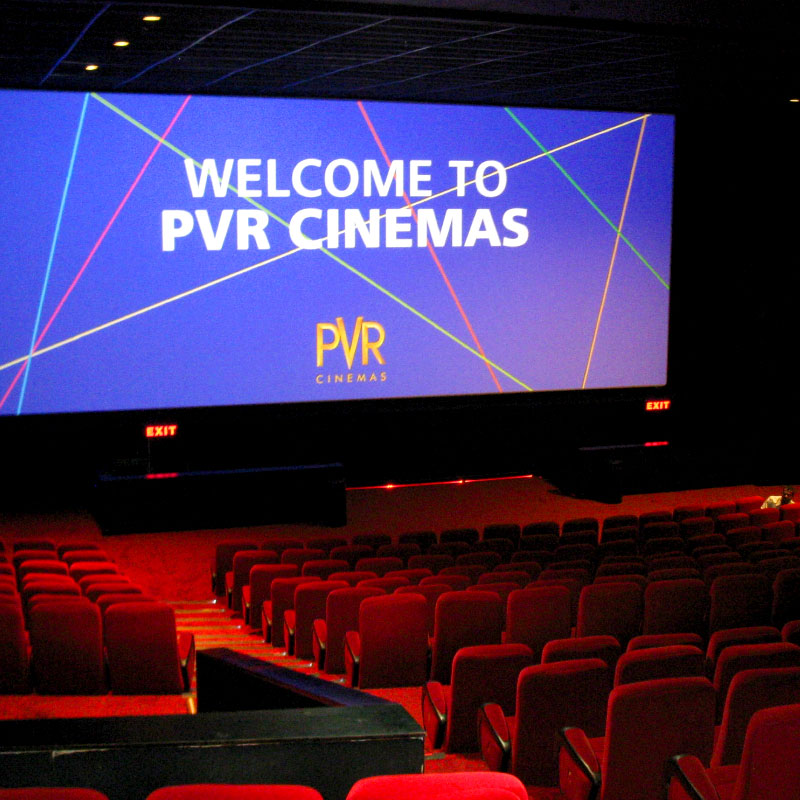
MUMBAI: Real estate firm Vatika Group has tied up with multiplex operator PVR to open and operate 26 multiplex screens in three townships – Vatika India Next, Vatika Infotech City and Vatika City Central in Gurgaon, Jaipur and Ambala respectively.
The estimated investment in the project will be approximately Rs 300 crore by both the companies.
The three multiplexes, which will have a capacity to house 5,000 people, are expected to be operational by the fourth quarter of 2018-19.
According to the Vatika Group, once operational, these will be the first PVRs in Jaipur and Ambala and will also be the largest multiplex in Gurgaon with 14 screens.
Vatika Group head sales and CRM Vikas Sahdev said that the multiplexes will make the townships attractive from an entertainment standpoint.
PVR chief development officer Ashwani Handa said, “We are excited about our partnership with Vatika Group for such a vast geographical project, spread across three cities – Jaipur, Ambala and Gurgaon. The locations in all these cities are very promising in terms of developing infrastructure and being a hub of the real estate sector.”
Currently, PVR operates 462 screens in 104 properties in 44 cities across India.

Brands
Adobe completes Semrush acquisition to boost AI-led brand visibility
Deal strengthens Adobe’s push into AI-driven search and customer journeys
SAN JOSE: Adobe has completed its acquisition of Semrush, in a move aimed at strengthening its capabilities in AI-driven brand visibility and customer engagement as digital discovery rapidly shifts towards intelligent agents and conversational interfaces.
The deal comes at a time when how consumers find and interact with brands is being reshaped by artificial intelligence. Adobe is positioning itself at the centre of this shift, expanding its customer experience orchestration offering with deeper search, content and data integration.
Central to this strategy is Adobe CX Enterprise, the company’s end-to-end agentic AI system designed to bring together content supply chains, customer engagement and brand visibility. The platform aims to simplify fragmented workflows by allowing AI agents to manage tasks and deliver personalised experiences at scale.
The acquisition of Semrush adds a critical layer to this ecosystem. Known for its strength in search engine optimisation, Semrush brings tools that help businesses improve discoverability across traditional search engines as well as emerging AI-driven interfaces. Adobe plans to combine this with its own suite, including Adobe Experience Manager, Adobe Commerce and Adobe Experience Platform, to offer a more unified view of how brands appear and perform across digital touchpoints.
The urgency is clear. Adobe’s internal data shows AI-driven traffic to US retail websites surged 269 per cent year on year in March 2026, highlighting both the opportunity and the gap in how brands optimise for AI-led discovery.
“The rules of brand discovery and commerce are being rewritten in real time, and marketers who are not optimising for that world today will find themselves invisible tomorrow,” said Adobe president, customer experience orchestration business Anil Chakravarthy. “Together with Semrush, we can offer a full picture of how brands show up, from search and large language models to content, engagement and conversion.”
For Semrush, the deal marks a new chapter after more than 17 years of building marketing tools for businesses of all sizes. “By joining Adobe, we see an opportunity to build the definitive platform for brand visibility in an AI-driven world,” said Semrush chief executive officer Bill Wagner.
As consumer behaviour evolves, marketers are increasingly designing content not just for people but also for AI systems that influence discovery and decision-making. Adobe’s combined offering will target this shift with tools spanning SEO, generative engine optimisation and agentic search optimisation.
With the integration underway, Adobe is betting that the future of marketing will hinge on how well brands can stay visible, relevant and trusted across both human and machine-led interactions.