Brands
Upgrad teams up with Seed Group to power AI-led workforce revamp across the MENA region

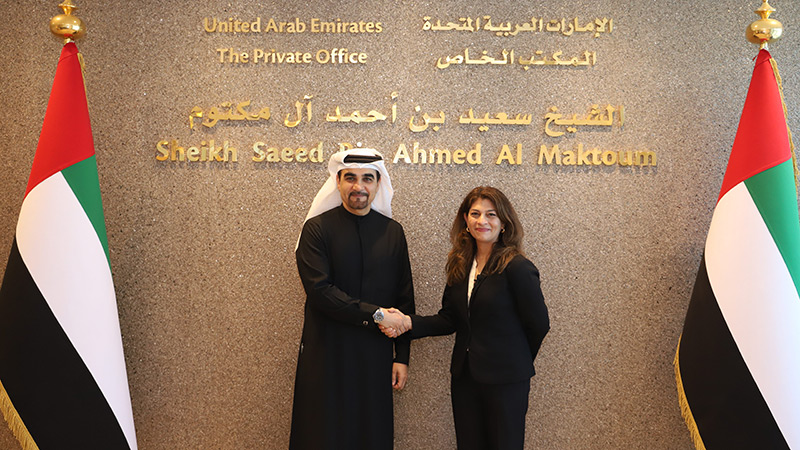
MUMBAI: Dubai’s skyline isn’t the only thing rising high—its ambition to become a global knowledge powerhouse just got a big ‘Upgrade’.
Upgrad, the Indian edtech heavyweight, and Seed Group, part of The Private Office of Sheikh Saeed bin Ahmed Al Maktoum. Together, they’ve fired up an AI-fuelled alliance to transform workforce upskilling across the UAE and the broader MENA region.
The two giants announced a strategic partnership that could reshape how professionals and enterprises across the middle east access new-age skilling, especially in high-demand areas like generative AI, digital transformation, and executive education. With this move, Upgrad—already present in 15+ countries—is planting a firm flag in the Gulf’s growing edtech terrain, ready to turn boardrooms into classrooms and laptops into launchpads.
“As Dubai invests in human capital development, the need for industry-aligned upskilling has never been greater. Upgrad’s outcome-focused innovative programs in domains like GenAI will bridge skill gaps,” said Seed Group CEO and The Private Office of Sheikh Saeed bin Ahmed Al Maktoum, Hisham Al Gurg. “In turn, this will empower businesses with the advanced knowledge needed to excel in a high-powered digital economy such as Dubai. The institution’s distinguished expertise in professional education makes it an invaluable addition to our network of strategic partners.”
Upgrad plans to leverage its portfolio of online degrees, bootcamps and hybrid certification courses to train individuals and institutions alike. From MBAs to machine learning modules, their offerings are engineered for ROI—return on intelligence.
“We are making significant investments to expand our footprint across global markets. We are proud to launch this partnership with Seed Group, a market leader in driving innovation, so there is no doubt that with the support of the Seed Group leadership strategy in the UAE and MENA, we will drive stronger adoption of AI-led upskilling. Acquiring new-age hands-on capabilities has become a global imperative and is essential for both individuals and organisations to remain competitive. Business and government leaders across the UAE’s economy are recognising the growing influence of AI on organisational capabilities and are increasingly looking to invest in advanced technologies,” said Upgrad CEO – International consumer business Myleeta AgaWilliams.
Over the years, Upgrad has carved out a reputation as one of Asia’s most formidable skilling machines—earning global nods from GSV and the FT for its growth and impact. And now, with Dubai acting as its regional launchpad, the company aims to support governments, enterprises and individuals with future-proof education that moves beyond theory and into execution.
In the coming months, the alliance will roll out initiatives aimed at creating a digitally capable and highly competitive workforce—one that’s ready to tackle the demands of tomorrow’s AI-first economy. For MENA, it’s a catalyst for a smarter, sharper labour force that’s globally fluent and locally relevant.






