Brands
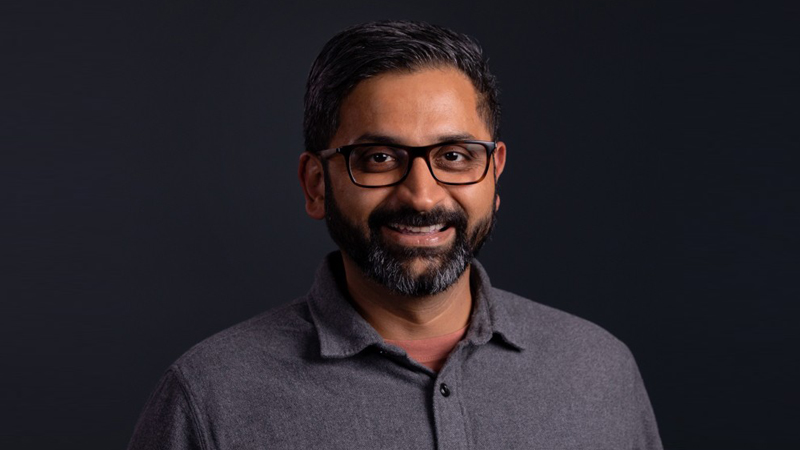
Uber elevates Balaji Krishnamurthy as CFO
CALIFORNIA: Uber has turned to an insider to mind the money. The ride-hailing giant has elevated Balaji Krishnamurthy as chief financial officer, tightening its grip on financial strategy as growth motors ahead.
The appointment takes effect on February 16, 2026. Krishnamurthy replaces Prashanth Mahendra-Rajah, who will step down but stay on as a senior finance adviser to chief executive Dara Khosrowshahi until July 1, 2026.
Krishnamurthy is no stranger to Uber’s books. Currently vice president, strategic finance, he joined in 2019 and ran investor relations from 2020 to 2023, giving him a front-row seat to the firm’s market story.
Uber was keen to dampen any drama. Mahendra-Rajah’s departure, it said, has nothing to do with disputes over disclosures or accounting. His exit will count as a qualifying termination under the firm’s executive severance plan.
The reshuffle arrived alongside solid numbers. In the October–December quarter, trips climbed 22 per cent year on year to 3.8bn, powered by an 18 per cent rise in monthly active platform consumers. Gross bookings jumped 22 per cent to $54.1bn, while revenue rose 20 per cent to $14.4bn.
The message is clear: Uber’s engine is humming, and it wants a steady hand on the tiller. In a business built on speed, the real test is not just how fast you grow, but how well you count the fare at the end of the ride.

Brands
Hyundai and TVS Motor partner to develop electric three wheelers
Joint development pact targets last mile mobility with localisation push
MUMBAI: Three wheels, one big ambition and a charge towards the future. Hyundai Motor Company and TVS Motor Company have signed a joint development agreement to co-create electric three-wheelers (E3Ws), aiming to crack India’s complex last-mile mobility puzzle. The collaboration moves beyond concept talk into execution mode, building on the E3W prototype first showcased at the Bharat Mobility Global Expo 2025. The goal now is clear, design, develop and commercialise a purpose-built vehicle tailored to Indian roads, riders and realities.
Under the agreement, Hyundai will lead design and co-development, bringing its global R&D muscle and human-centric engineering approach to the table. TVS Motor, meanwhile, will anchor the product on its electric platform, leveraging deep three-wheeler expertise and local market insight. It will also handle manufacturing and sales in India, with an eye on exports down the line.
The timing is strategic. India remains the world’s largest three-wheeler market, where affordability, durability and adaptability often outweigh sheer innovation. The upcoming E3W aims to strike that balance combining advanced technology with practical features such as adaptive ground clearance for monsoon-hit roads, improved thermal management for tropical climates, and flexible interiors suited for passengers, cargo or emergency use.
A key pillar of the partnership is localisation. Major components will be sourced and manufactured within India, a move expected to strengthen the domestic supply chain, create jobs, lower costs and improve after-sales support.
The shift from prototype to production will involve rigorous testing, certification and refinement to meet regulatory standards and consumer expectations. Dedicated cross-functional teams from both companies are already in place to accelerate timelines.
At a broader level, the tie-up reflects a growing trend in mobility, global players partnering with local specialists to navigate emerging markets. For Hyundai and TVS, the bet is that combining scale with street-level insight could unlock a new chapter in sustainable urban transport, one that runs not just on electricity, but on relevance.