Brands
Two-wheeler tango Rilox EV and Hala Mobility charge into new alliance

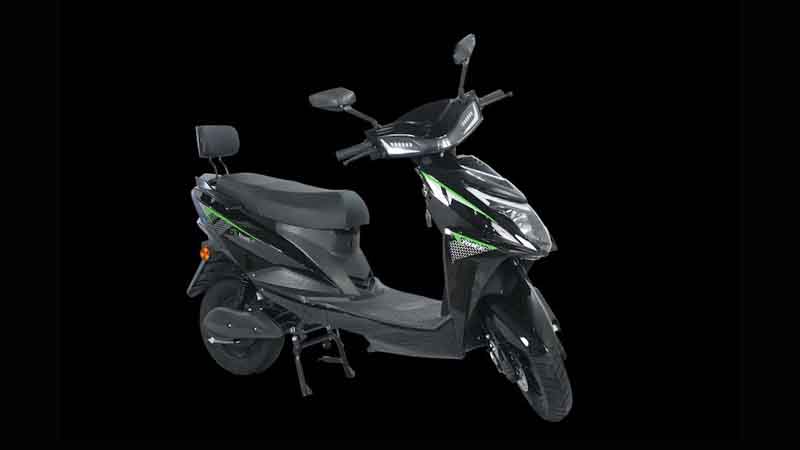
MUMBAI: India’s electric streets are getting a serious jolt of power. In a move that could electrify last-mile logistics and urban commuting alike, Rilox EV has plugged into a multi-year OEM partnership with smart mobility platform Hala Mobility, laying the groundwork for a greener, more connected transport future.
This isn’t just a vehicle handover, it’s a values-driven alliance built to last. The deal will see nearly 20,000 electric two-wheelers deployed across India over the coming years, starting with Rilox’s Spark Elite models and eventually scaling up to high-speed variants. About 400 vehicles are expected to hit the road every month, each designed with the grit and grace needed for fleet life, gig work, and urban hustle.
If Spark Elite rings a bell, that’s because it’s already earned a reputation for balancing affordability with reliability no small feat in the fast-evolving EV race. Built to withstand the rigours of high-frequency use, it’s especially tailored to the needs of gig workers, delivery agents, and city commuters.

Hala Mobility founder & CEO Srikanth Reddy shared, ‘In a space with many EV players, we were looking for more than just a vehicle but a partner aligned with our vision and values. Rilox EV stood out with its strong engineering capabilities, reliable services, and commitment to core operating principles. Their fleet-ready vehicles are not only cost-efficient and scalable but also built with a deep understanding of what it takes to serve India’s dynamic urban mobility needs. This partnership is a perfect fit to power our consistent and sustainable growth across the country.’
Rilox EV founder & CEO Avesh Memon said, “This marks one of the most significant partnerships in the EV industry. Rilox’s success is powered by its strong dealer network, driving real impact on the ground. Rilox EV believes in inclusive growth and compounding entrepreneurial value. “
Rilox EV CEO further added , “We’re also actively in discussions with other companies for collaborations on our loader vehicle range, as we continue to expand our footprint and impact in the electric mobility space.”
As the two brands ride in tandem, plans are already underway to expand the collaboration to loader EVs, hinting at a broader blueprint to power commercial mobility as well.
In a country where roads are crowded and ambitions are high, Rilox and Hala’s electric handshake is more than a business deal, it’s a vote of confidence in India’s clean, connected, and commuter-first future.


Brands
Estée Lauder to shed 10,000 jobs as new boss bets on digital shift
The cosmetics giant raises its profit outlook but stays silent on a possible merger with Spain’s Puig, as job cuts deepen and a three-year sales slump weighs on the turnaround

NEW YORK: Stéphane de La Faverie is not done cutting. Estée Lauder announced on Friday that it plans to eliminate as many as 3,000 additional jobs, taking its total redundancy programme to as many as 10,000 roles, up from a previous target of 7,000 announced a year ago. The company, which owns La Mer, The Ordinary, Tom Ford, and Aveda, employs roughly 57,000 people worldwide. The mathematics of what is now being contemplated is stark.
The fresh round of cuts is expected to generate a further $200 million in savings, bringing the total annual savings from the programme to as much as $1.2 billion before taxes. That money, De La Faverie has made clear, will be ploughed back into the turnaround.
A CEO in a hurry
De La Faverie, who took the helm in January 2025, inherited a company that had endured three consecutive years of annual sales declines. His response has been to move fast and cut deep. A significant portion of the latest redundancies reflects his push to reduce headcount at US department stores, long a cornerstone of Estée Lauder’s distribution model but now a channel in structural decline. In their place, he is accelerating the shift toward faster-growing online platforms, including Amazon.com and TikTok Shop, a pivot that is reshaping not just where Estée Lauder sells but how it thinks about its customers.
The numbers are moving in the right direction
Despite the pain, there are signs the medicine is working. Estée Lauder raised its profit outlook for the remainder of the fiscal year, guiding for adjusted earnings per share in the range of $2.35 to $2.45, above analyst estimates and a notable step up from the $2.05 to $2.25 range it had guided for in February. Organic net sales growth is expected to come in at 3 per cent, the company said, at the high end of the range it set out in February.
The share price tells a mixed story. After De La Faverie took charge, the stock surged nearly 60 per cent, buoyed by investor optimism that a longtime company insider could finally arrest the decline. But 2026 has been rougher: the shares have fallen 27 per cent this year, weighed down by disappointing February results and the overhang of unresolved merger talks with Spanish beauty giant Puig Brands SA. The company gave no additional details about those discussions on Friday, leaving the market to guess.
Silence on Puig
The proposed tie-up with Puig remains the most consequential unknown hanging over Estée Lauder. A deal with the Barcelona-based group, which owns brands including Carolina Herrera and Rabanne, would reshape the global luxury beauty landscape. But with nothing new to say and a turnaround still very much in progress, De La Faverie is asking investors to trust the process.
Three years of sales declines, 10,000 job cuts, and a merger that may or may not happen. At Estée Lauder, the overhaul has barely started.