MAM
Truecaller shows it is more than just a caller ID & spam detection app
MUMBAI: Truecaller has launched its new television and digitally focused advertising campaign with the tagline ‘Sab ke liye’ meaning both ‘for everyone’ and ‘for everything’.
The ad campaign is aimed to create awareness among the audience about the recent features introduced on the app apart from Caller ID and Spam filtering.
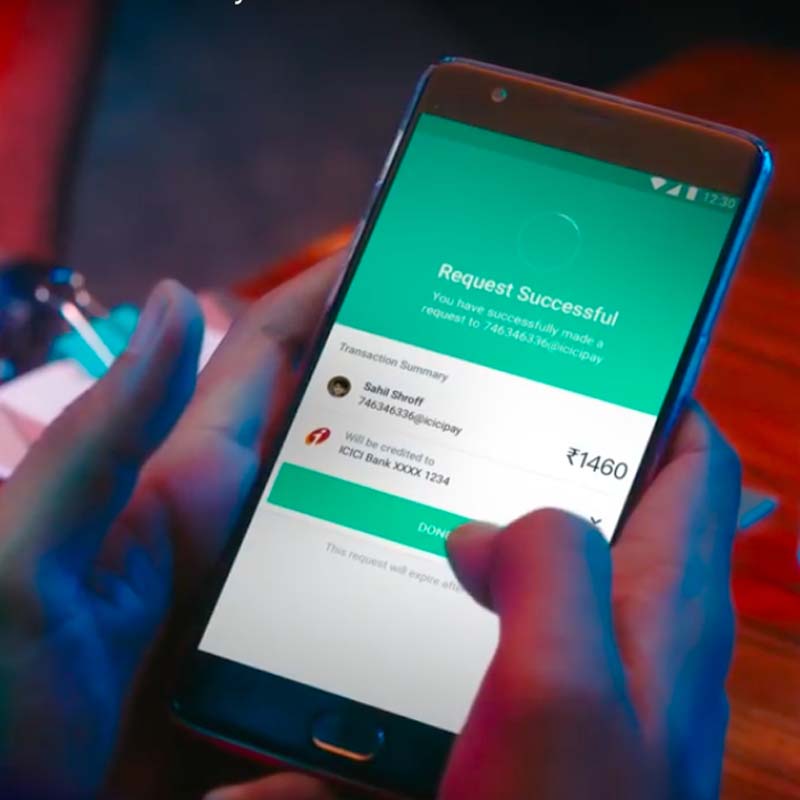
The features illustrated through the campaign include, Truecaller Pay, Flash Messaging and Video Calling powered by Google Duo. Positioning Truecaller as a one-stop platform for its users, the TVC looks at everyday situations the users go through and how Truecaller has a solution to make their lives simple, safe and more efficient. Truecaller has developed several new features for the application in the recent times that provide solutions to consumers in a simple and convenient manner also reducing the need for multiple applications providing the same functions on their smartphone.
Truecaller India director marketing Manan Shah says, “By incorporating relevant features, we are confident that our young and active users will stay ahead and find multiple ways to solve their daily challenges. Taking inspiration from realistic scenarios, our TVC will surely be very relatable to the audiences and portray how seamlessly one application can be used for multiple purposes.”
People use Truecaller to stay ahead. It helps them know who’s getting in touch, filter out unwanted calls and SMS, and focus on what really matters. The company provides a suite of unique services such as a dialer that offers caller ID, spam detection, messaging and more. Truecaller’s mission is to build trust everywhere by making communication safe and efficient. Headquartered in Stockholm, Sweden, the company was founded in 2009 by Alan Mamedi and Nami Zarringhalam. Investors include Sequoia Capital, Atomico and Kleiner Perkins Caufield Byers.

Brands
Hyundai and TVS Motor partner to develop electric three wheelers
Joint development pact targets last mile mobility with localisation push
MUMBAI: Three wheels, one big ambition and a charge towards the future. Hyundai Motor Company and TVS Motor Company have signed a joint development agreement to co-create electric three-wheelers (E3Ws), aiming to crack India’s complex last-mile mobility puzzle. The collaboration moves beyond concept talk into execution mode, building on the E3W prototype first showcased at the Bharat Mobility Global Expo 2025. The goal now is clear, design, develop and commercialise a purpose-built vehicle tailored to Indian roads, riders and realities.
Under the agreement, Hyundai will lead design and co-development, bringing its global R&D muscle and human-centric engineering approach to the table. TVS Motor, meanwhile, will anchor the product on its electric platform, leveraging deep three-wheeler expertise and local market insight. It will also handle manufacturing and sales in India, with an eye on exports down the line.
The timing is strategic. India remains the world’s largest three-wheeler market, where affordability, durability and adaptability often outweigh sheer innovation. The upcoming E3W aims to strike that balance combining advanced technology with practical features such as adaptive ground clearance for monsoon-hit roads, improved thermal management for tropical climates, and flexible interiors suited for passengers, cargo or emergency use.
A key pillar of the partnership is localisation. Major components will be sourced and manufactured within India, a move expected to strengthen the domestic supply chain, create jobs, lower costs and improve after-sales support.
The shift from prototype to production will involve rigorous testing, certification and refinement to meet regulatory standards and consumer expectations. Dedicated cross-functional teams from both companies are already in place to accelerate timelines.
At a broader level, the tie-up reflects a growing trend in mobility, global players partnering with local specialists to navigate emerging markets. For Hyundai and TVS, the bet is that combining scale with street-level insight could unlock a new chapter in sustainable urban transport, one that runs not just on electricity, but on relevance.