MAM
Trivayu Media Works announces its customer success services portfolio


Mumbai: TriVayu Media Works has announced the launch of its new customer success service portfolio. The services will be launched under a new brand called TMW: NBUx (next billion users’ experience). With a presence in over 200 districts, 1,000 villages, and 20+ states across the country, TMW is a private hyperlocal content distribution company and distinguishes itself as a solution that assists India’s leading companies in targeting the hyperlocal market through the development of super-niche content, marketing, and resource services.
TMW: NBUx’s customer success services include live chat support, email support, online reputation management, and telephony (inbound and outbound) in 10+ languages. TMW: NBUx service is a plug-and-play kind of module where clients just have to select their customers and define the aim or queries. TMW’s team will also facilitate the strategy and execution using their in-house CRM ecosystem. Soon, TMW plans to offer short services such as customer response surveys and user intent research surveys as well.
“We are thrilled to announce the launch of our customer success services portfolio under the new brand of TMW: NBUx. The service aims to empower any B2C brand that is keen to enhance its customer loyalty and satisfaction. There are many tier-two-based SMB companies that want to set up a customer success team but are not able to do so due to a low budget and lack of awareness. With our cost-efficient and feasible plug-n-play hyperlocal dialect module, we are driven to serve more brands and help them scale quickly and build customer trust,” said Trivayu Media Works co-founder Ratnendra K Pandey.

TMW offers content in 15+ languages to help brands reach a wider audience in tier two and tier three cities where branding and its associated concepts are challenging to develop. TMW also trains and employs youth in content learning, and the process is completely free until a candidate begins earning money. Candidates are hired based on their performance and work from TMW’s micro-offices, which the company claims no other company offers. By collaborating closely with trained resources from tier two and tier three cities, TMW is able to save its clients up to 30 per cent on project costs.







MAM
Beacon Group appoints Dr Rajesh Patel as Group CEO
36-year healthcare veteran to lead Beacon Diagnostics, Vector Biotek, Biogeny.
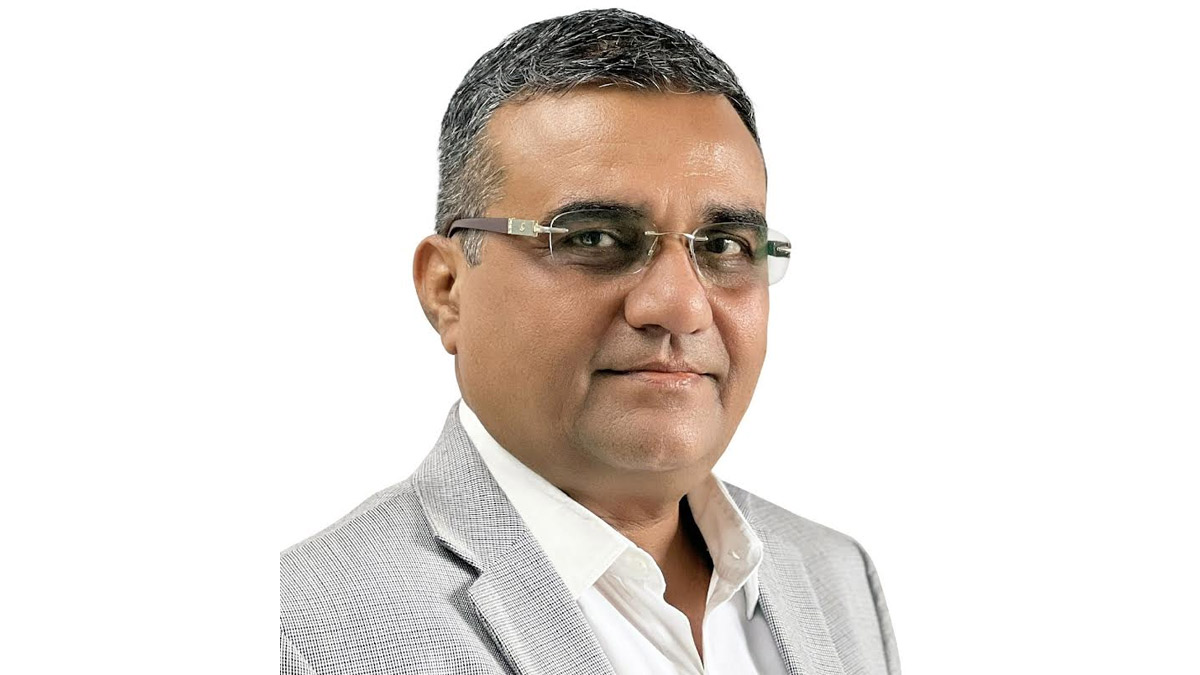
MUMBAI: A new chief, a fresh diagnosis and a sharper prescription for growth. Beacon Group has appointed Dr Rajesh Patel as its Group Chief Executive Officer, effective April 1, 2026, signalling a decisive push to scale its presence in the diagnostics and IVD space. Patel steps into the role with 36 years of experience across the healthcare and diagnostics industry, bringing a career shaped by leadership roles spanning sales, marketing, business development and operational strategy. His mandate is both expansive and precise: to steer the group’s overall strategic direction while tightening coordination across its three core entities Beacon Diagnostics, Vector Biotek and Biogeny Diagnostics.
In practical terms, that means driving cross-company synergies, accelerating market expansion and strengthening organisational capability areas increasingly critical as diagnostic players compete for scale in a fragmented yet rapidly evolving healthcare ecosystem. The group is positioning itself to capture unmet demand across chain laboratories, key accounts and standalone labs, segments that remain underserved despite growing diagnostic needs.
The appointment comes at a time when the In Vitro Diagnostics (IVD) sector in India is entering a more competitive and innovation-led phase, with companies focusing not just on product pipelines but also on service delivery, integration and customer-centric models. Beacon’s leadership appears to be betting that Patel’s execution-focused approach can help translate ambition into operational momentum.
Welcoming the appointment, Chairman Dr D K Joshi described Patel’s induction as a strategic move aligned with the group’s long-term vision, emphasising the role of leadership depth in navigating the next phase of growth.
For Beacon Group, the message is clear, in a sector where precision matters, leadership is the new differentiator—and this appointment is intended to set the tone for what comes next.






