MAM
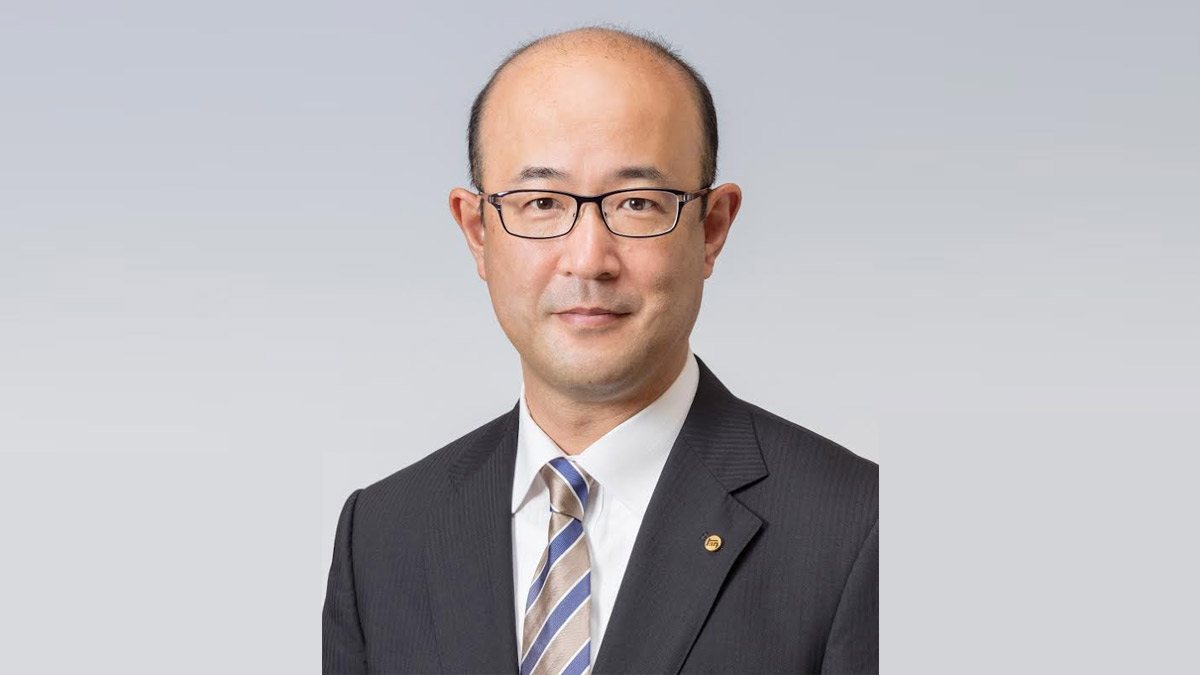
Toyota appoints Kenta Kon as President & CEO
New leader to steer EV push and global innovation amid industry shift.
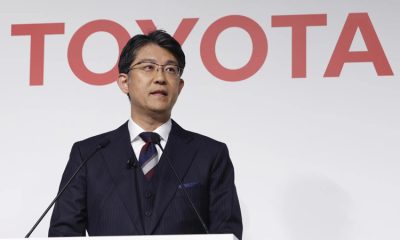
MUMBAI: Toyota just handed the keys to a new driver because when the road to electric mobility gets twisty, you need someone who knows how to accelerate without skidding. Toyota Motor Corporation has named Kenta Kon as its new president and chief executive officer, a key leadership transition as the Japanese giant doubles down on its transformation in the fast-evolving global automotive landscape.
Kon brings deep expertise in automotive innovation, business strategy, and operational leadership to the top job. His appointment signals Toyota’s intent to sharpen focus on accelerating electric mobility, strengthening worldwide operations, and pushing customer-centric breakthroughs in next-generation technologies.
The company is betting on Kon to guide it through the industry’s pivotal shift toward sustainability, digital integration, and smarter mobility solutions. Key priorities under his watch include ramping up electric and hybrid lineups, expanding global market reach, driving cutting-edge automotive R&D, tightening supply-chain efficiency, and scaling connected and intelligent vehicle ecosystems.
This move comes at a time when legacy automakers face intense pressure to balance heritage strengths with aggressive electrification timelines and software-defined vehicle demands. Toyota aims to reinforce its position as a leader in sustainable, reliable, and future-ready mobility while navigating competitive challenges from both traditional rivals and new-age EV players.
For a brand that’s long defined durability and innovation, Kon’s elevation isn’t just a title change, it’s Toyota flooring it toward the next lap, ready to turn today’s tech talk into tomorrow’s showroom reality.

MAM
Paramount set to acquire Warner Bros. Discovery in $81 billion deal
Shareholders back merger, combined entity could reshape streaming and studios.
MUMBAI: Lights, camera… consolidation, Hollywood’s latest blockbuster might be happening off-screen. Shareholders of Warner Bros. Discovery have voted in favour of selling the company to Paramount in a deal valued at $81 billion rising to nearly $111 billion including debt setting the stage for one of the biggest shake-ups in modern media. The proposed merger, still subject to regulatory approvals, would bring together a vast portfolio spanning HBO Max, CNN, and franchises such as Harry Potter under the same umbrella as Paramount’s own heavyweights, including Top Gun and CBS.
At the heart of the deal is streaming scale. Executives have indicated plans to combine HBO Max and Paramount+ into a single platform, potentially creating a stronger challenger to giants like Netflix and Amazon’s Prime Video. Current market data suggests HBO Max holds around 12 per cent of US on-demand subscriptions, compared to Paramount+’s 3 per cent, together still trailing Netflix’s 19 per cent and Disney’s combined 27 per cent via Disney+ and Hulu.
Paramount CEO David Ellison has signalled that while platforms may merge, HBO’s creative identity will remain intact, stating the brand should “stay HBO” even within a broader ecosystem.
Beyond streaming, the deal would redraw the map for film production. Combining two of Hollywood’s oldest studios Paramount Pictures and Warner Bros., the new entity aims to scale output to over 30 films annually, while maintaining a 45-day theatrical window. Warner Bros. currently commands around 21 per cent of the US box office, compared to Paramount’s 6 per cent, underscoring the strategic weight of the acquisition.
But scale comes with scrutiny. Critics warn that fewer players could mean reduced consumer choice, rising subscription costs, and potential job cuts as the combined company looks to streamline overlapping operations while managing billions in debt.
The news business, too, faces a reset. CNN would join forces at least structurally with Paramount-owned CBS, raising questions about editorial independence and positioning. The merger has already drawn political attention in the United States, particularly given perceived ties between the Ellison family and Donald Trump, though the company maintains that newsroom autonomy will be preserved.
If approved, the deal would mark another milestone in Hollywood’s consolidation wave shrinking the industry’s traditional “big six” studios to a “big four”, with Paramount joining Disney, Universal, and Sony at the top table.
In an industry built on storytelling, this merger may well become its most consequential plot twist yet.