Brands
Top five electric cycle manufacturers in India

Mumbai: In India, electric cycles are becoming a hot trend for city dwellers. The green wave is driven by a perfect storm: rising fuel costs, a growing eco-consciousness, and initiatives that support e-bike adoption. E-bike production is booming, making e-cycles a potential game-changer for India’s transportation sector. Not only is this trend eco-friendly, but it also paves the way for exciting innovation and economic benefits.
Here are the top electric cycle manufacturers in India
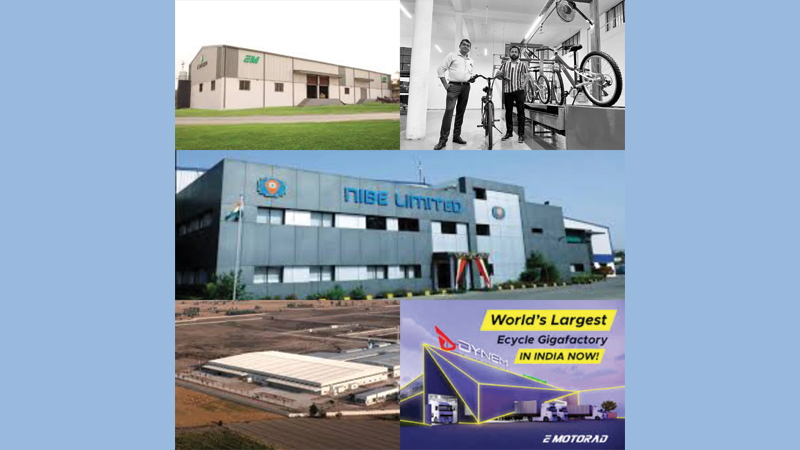
DYNEM: DYNEM, India’s leading electric cycle gigafactory, produces over 500,000 e-cycles annually. It offers a wide range of e-bikes suitable for urban and off-road use, along with essential components like high-performance motors, LCD displays, controllers, and batteries. As a comprehensive supplier, DYNEM serves global e-bike companies seeking quality drivetrain solutions. India’s low import duties (0 to 2.5%) for European and American importers provide a competitive advantage, facilitating access to cost-effective manufacturing and legal anti-dumping options.
Hero Lectro: Hero Electro, distinct from its larger sibling Hero Electric which specializes in electric scooters, is a key player in India’s rapidly growing electric cycle market. While Hero Electric focuses on two-wheeled electric vehicles, Hero Electro carves out a niche specifically in electric bicycles, or e-bikes. This targeted approach allows them to cater to the unique needs of urban commuters seeking eco-friendly and efficient transportation solutions.
Tru-Bike: A young and impactful player in India’s e-bike revolution, Tru Bikes, established in 2020, has carved a niche for itself in Ludhiana, Punjab. This manufacturer stands out for its diverse offerings, encompassing adult e-bikes, e-mobility vehicles, and even premium kids’ bicycles. Tru Bikes combines innovation and quality, with a global reach that exports its products beyond Indian borders.
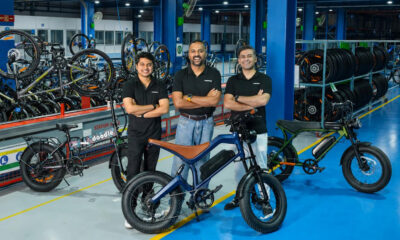
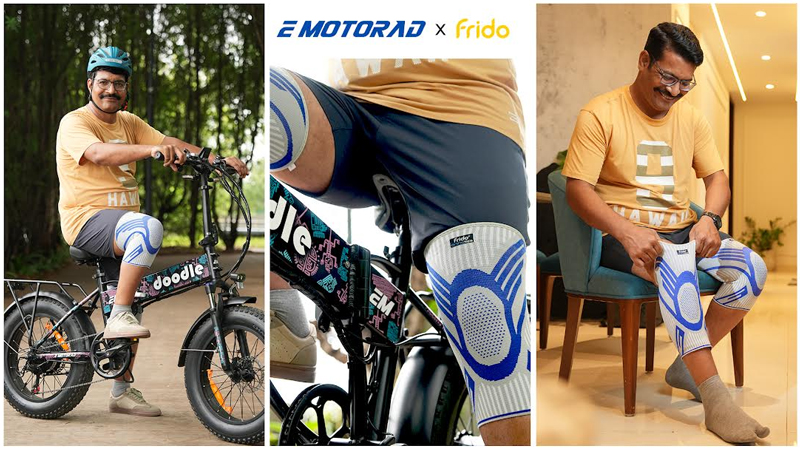
EMotorad: Dhoni-backed Pune’s EMotorad is leading the e-bike charge in India. They focus on affordability and cutting-edge tech for a wide range of riders. Their premium e-bikes cater to both eco-conscious commuters and adventure seekers, making them a key player in India’s sustainable transportation revolution.
NIBE Motors: Nibe Motors, a Maharashtra-based manufacturer, is a prominent name in India’s electric cycle scene. Established in Nashik, they’ve gained recognition and offer a range of e-bikes with features like robust build, ergonomic design, and ARAI (Automotive Research Association of India) approval. Their focus on domestic production positions them as a strong contender in India’s electric transportation revolution.