Brands
Three out of four D2C brands now use creators to drive sales, says new report

MUMBAI: India’s direct-to-consumer sector enters 2026 not with a bang but with a balance sheet and a to-do list. The Zero to Rs 100 crore playbook, a practitioner-built compendium from DSG consumer partners, Meta and ViralMint, reads like an audit and a manual rolled into one: the growth levers that propelled brands to scale in the last five years still work, but only if founders fix the operating engines beneath them.
DSG Consumer Partners vice president Pooja Shirali said, “This Playbook offers the operational compass every founder needs to scale confidently and sustainably. It makes it clear that the real drivers of scale have less to do with viral moments, and everything to do with the long-term fundamentals that make milestones like the first Rs 100 Cr predictable, not accidental.”
The blunt headlines first. Three in four D2C brands now rely on creators for acquisition and sales. More than 70 per cent call Meta their primary acquisition channel. Sixty-two per cent cite creative fatigue as their biggest constraint, and 55 per cent admit they under-invest in CRM and retention.

The ecosystem expanded at breakneck pace after 2020, helped by cheap digital inventory and a flood of creator supply. India is now among the world’s top five e-commerce markets by store count, with more than half of surveyed brands founded in the past five years. Yet operational maturity has lagged: half of these firms run on teams of 15 or fewer, often stitching together fragile stacks of agencies, tools and hustles. The consequences show up in weak repeat rates, rudimentary attribution and uneven margin discipline.
Two truths anchor the playbook. First, marketing in India is Meta-first. Brands that master catalogue ads, creator integrations and Advantage plus formats gain disproportionate efficiency. But dependence on one platform leaves firms exposed to rising costs and algorithmic shifts unless they broaden their channel mix and firm up product fundamentals.
“Digital discovery in India is today driven by new formats like Reels, creator-led influence and shifting consumer behaviour. In this environment, brands that build creative velocity and iterate quickly are the ones that continue to move efficiently,” said Meta agency and vc partnerships director Gaurav Jeet Singh.
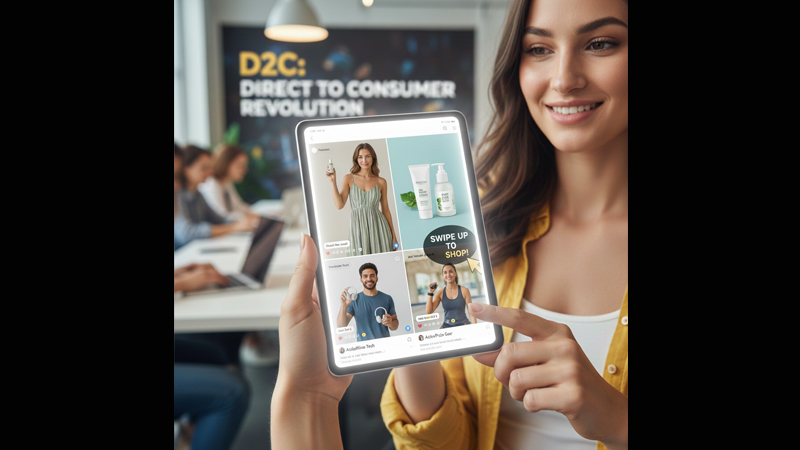
Second, creators have become infrastructure. Some 54 per cent of brands now devote 10–25 per cent of their marketing budgets to influencers. Nano and micro creators generate engagement rates five- to six-times higher than larger talent. The best-performing brands treat creators as a system: always-on, measurable pipelines that fuel UGC, performance and retention, rather than tactical spends.
Execution, however, remains the soft underbelly. Creative fatigue erodes performance long before fundamentals are corrected. Attribution is primitive: 43.8 per cent of brands still rely on last click, masking true unit economics and encouraging flawed bidding strategies. Few use multi-touch or data-driven attribution, leaving growth brittle and overly dependent on one or two metrics.
Retention remains the most neglected lever. Although 41.3 per cent of brands track lifetime value (LTV), more than half concede they under-invest in CRM. The playbook argues that systematised retention, cohorts and contribution margin two (CM2) offer the clearest path to durable profitability. Brands that consistently track CM2 outperform peers by roughly 2.3 times.
“With DSGCP and Meta, we created this Playbook to give every founder a definitive operating system for scale: how to validate PMF with conviction, build creative engines that never slow down, strengthen retention early, and scale with profitability as a core principle,” explained ViralMint founder Rohan Dighe.
Operational weaknesses persist in the background: shallow supply chains, high returns in fashion, talent shortages and working-capital strain. Pricing errors and discounting have, by founders’ own admission, caused more long-term harm than frugal marketing budgets.
The report closes with a sober prescription for 2026: treat creators as infrastructure; master Meta but diversify channels; fix attribution; build retention engines early; institutionalise creative velocity; and harden operations. The formula is not glamorous, but it is clear.






Brands
Davidoff appoints Ahaan Panday as first Brand Ambassador for India
Actor to front new chapter as brand launches Cool Elixir fragrance.
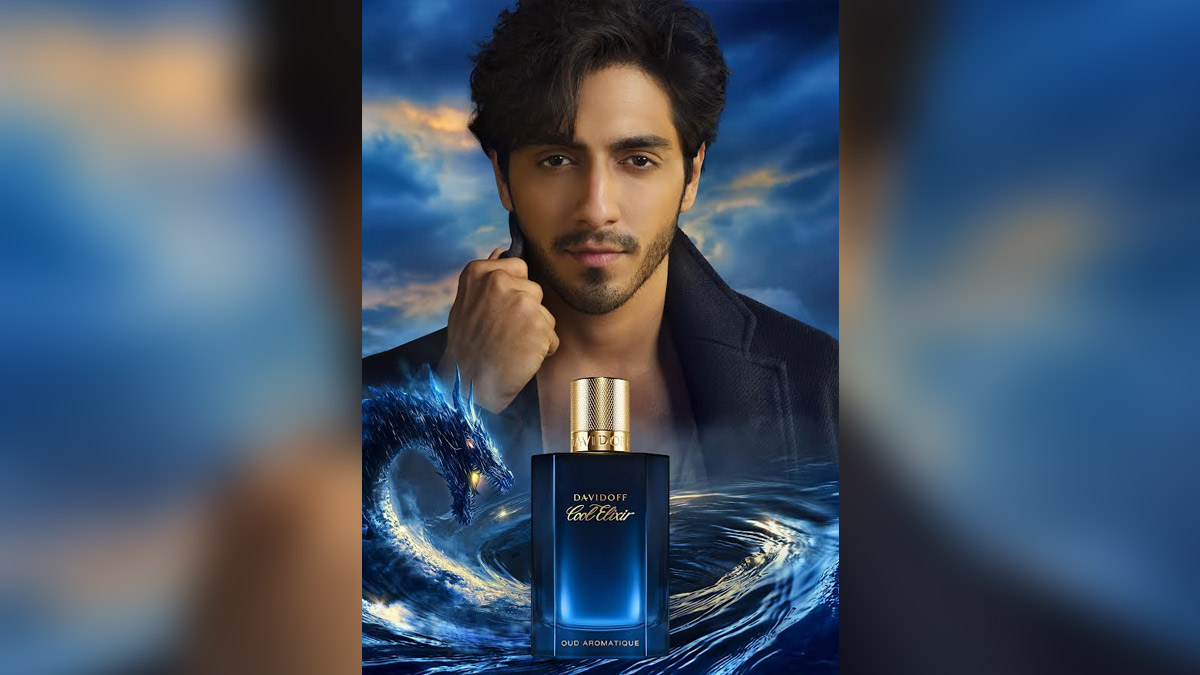
MUMBAI: Davidoff has just found its perfect new splash in India and he comes with star power and a cool, confident vibe. The iconic Swiss fragrance house has announced actor Ahaan Panday as its first-ever Brand Ambassador for India, marking a significant milestone in the brand’s journey in one of its most dynamic markets. Ahaan Panday, known for his fresh energy and strong connect with younger audiences, embodies the modern Davidoff man self-assured yet carefree, ambitious yet grounded. His appointment aligns perfectly with the brand’s “gentleman adventurer” philosophy of adventure, refinement, and living life with intensity.
Sharing his excitement, Ahaan said: “Davidoff is one of those brands I’ve always associated with memories growing up. Cool Water was probably the first perfume I ever tried. To now be named Davidoff’s first Brand Ambassador for India feels incredibly special. I’ve always seen Davidoff as a symbol of confidence and staying true to who you are.”
The collaboration coincides with the launch of Davidoff’s latest global fragrance, Cool Elixir: The New Oud Treasure. This bold composition reinterprets freshness with depth and intensity, featuring a noble oud accord layered with lavandin absolute and rose oxide.
For decades, Davidoff has enjoyed cult status in urban India. With Ahaan Panday now leading the charge, the brand is set to strengthen its cultural presence and connect with a new generation of fragrance enthusiasts through a more contemporary and relatable voice.
In the competitive world of luxury fragrances, Davidoff has made a splash by choosing a young, authentic Indian talent to carry its legacy forward. Expect the scent of success — because when Ahaan Panday teams up with Davidoff, the fragrance game in India is about to get even cooler.







