
MAM
The Foundery film challenges traditional path to entrepreneurship
Kamath, Biyani and Screwvala back film questioning whether access beats struggle.


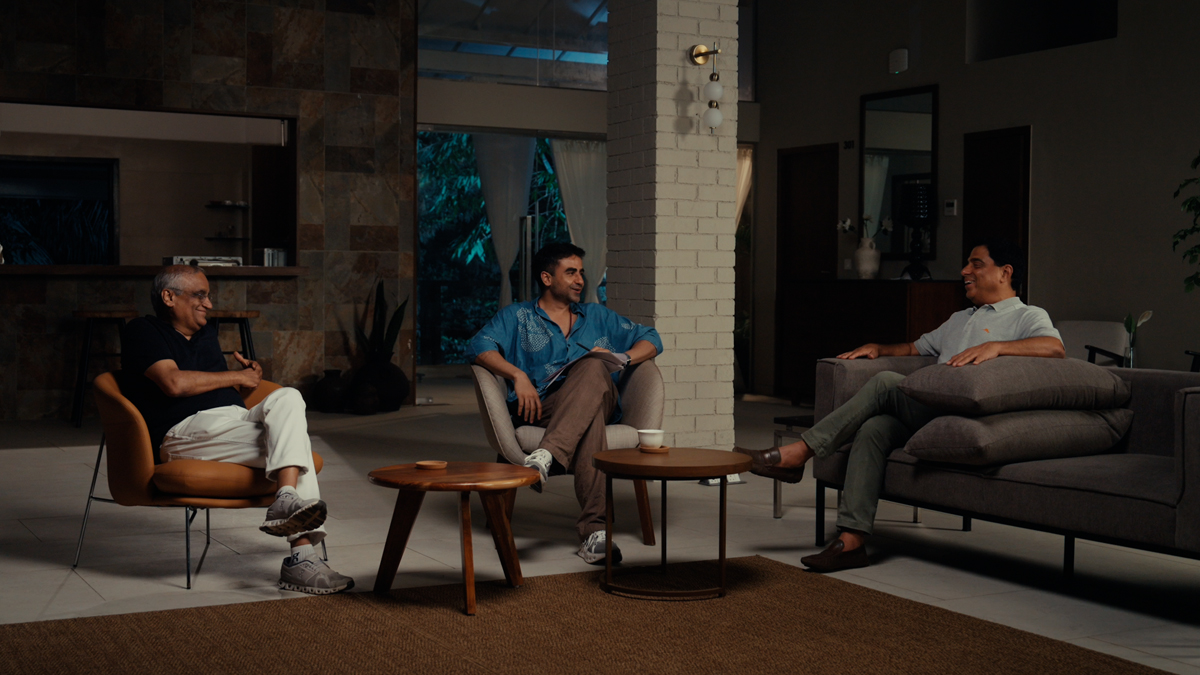
MUMBAI: What if the biggest startup wasn’t a company, but an idea? That’s the question The Foundery is betting on. A new film from The Foundery, shared on Instagram by entrepreneur Nikhil Kamath, is challenging one of entrepreneurship’s oldest assumptions: that success must always begin with struggle.
Created by Nikhil Kamath, Kishore Biyani and Ronnie Screwvala, the film steers away from the familiar rags-to-riches startup narrative, instead asking whether entrepreneurial success depends more on access to opportunities than enduring hardship.
Rather than celebrating struggle as a prerequisite, the film explores whether giving aspiring founders early access to capital, mentorship and a supportive ecosystem could enable them to build faster and think bigger.
The conversation also questions whether entrepreneurship can truly be taught inside a traditional classroom. Instead, it suggests that the skills required to build a business are developed by making decisions, embracing uncertainty and taking ownership in real-world situations.
That philosophy is summed up in one of the film’s central lines: “Should we call The Foundery a college? No. There, you learn. Here, you earn.” The statement reflects the programme’s emphasis on learning through participation rather than conventional instruction.
Set within The Foundery’s residential model, the film examines how exposure to experienced entrepreneurs, practical guidance and access to funding could influence the next generation of founders. At the same time, it does not shy away from difficult questions surrounding privilege, resilience and whether easier access risks diluting entrepreneurial grit.
Instead of offering definitive answers, the film presents competing perspectives, encouraging viewers to consider whether support and accountability can coexist. Its argument is that providing resources does not eliminate responsibility; founders must still transform opportunities into tangible outcomes.
The discussion also broadens beyond business, exploring how environment, exposure and conversations shape ambition and influence what individuals believe they are capable of creating.
By opening its process to the public before any measurable outcomes emerge, The Foundery positions the film less as a promotional showcase and more as a conversation starter on the future of entrepreneurship.
It leaves audiences with a question rather than a conclusion: if more people were given access earlier, what might they build?






