MAM
TDI Infracorp bets on data-driven boss to crack Delhi’s property market
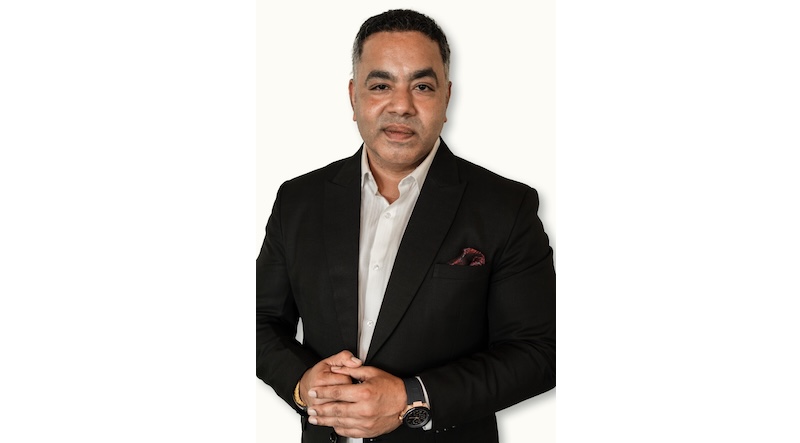
NEW DELHI: New Delhi’s property developers love talking about transparency. Rajat Bokolia actually means it. On 7 October, TDI Infracorp appointed him group chief executive across its three entities—TDI Infracorp, TDI Infrastructure and Newstone—betting that his data-driven approach can navigate the national capital region’s (NCR’s) notoriously fickle real estate market.
Bokolia brings 20 years of experience in NCR property, most recently as chief operating officer at Assotech Ltd. He’s also done stints at Raheja Developers, Unity Group’s Park Laureate Buildwell, and Jindal Realty, steering residential and commercial projects across the region. His reputation rests on an unusual skill in Indian real estate: reading market data and consumer trends, then acting on them.
That matters in NCR, where developers often operate on gut instinct and buyer sentiment swings wildly between micro-markets. Bokolia’s pitch is different. He champions what he calls “educated buyers”—punters who make property decisions based on research, trends and long-term value rather than speculation or marketing fluff. It’s a philosophy that aligns neatly with TDI’s stated aim of customer-centricity, though execution will be the real test.
Under Bokolia’s leadership, TDI plans to adopt a “data-first approach” using market research, predictive analytics and consumer insights to stay ahead of demand cycles. It’s the sort of corporate speak that sounds good on paper. Whether it translates into better projects and happier buyers depends on whether Bokolia can turn TDI’s sprawling residential, commercial and mixed-use portfolio into a more focused, responsive operation.
“NCR is one of the most competitive and dynamic property markets in India, and success here depends on foresight, transparency, and execution backed by data,” Bokolia said. He’s not wrong. The question is whether TDI, like its peers, can resist the temptation to chase quick wins over sustainable growth. Bokolia’s track record suggests he might just pull it off.

AD Agencies
Abhay Duggal joins JioStar as director of Hindi GEC ad sales
The streaming giant brings in a seasoned revenue hand as the battle for Hindi television advertising heats up
MUMBAI: Abhay Duggal has a new desk, and JioStar has a new weapon. The media and entertainment veteran has joined JioStar as director of entertainment ad sales for Hindi general entertainment channels, adding 17 years of hard-won revenue experience to one of India’s most powerful broadcasting operations.
Duggal is no stranger to big portfolios or bruising markets. Before joining JioStar, he spent a brief stint at Republic World as deputy general manager and north regional head for ad sales. Before that, he put in three years at Enterr10 Television, where he ran the north region for Dangal TV and Dangal 2, two of India’s leading free-to-air Hindi channels. The north alone accounted for more than 50 per cent of total channel revenue on his watch, a number that tends to get attention in any sales meeting.
His longest stint was at Zee Entertainment Enterprises, where he spent over six years rising to associate director of sales. There he commanded the Hindi movies cluster across seven channels, owned more than half of north India’s revenue across flagship properties including Zee TV and &TV, and closed marquee sponsorships across the Indian Premier League, Zee Rishtey Awards and Dance India Dance. He also handled monetisation for the English movies and entertainment cluster and the global news channel WION, a portfolio that would stretch most sales teams twice his size.
Earlier in his career Duggal closed what was then a Rs 3 crore single deal at Reliance Broadcast Network, one of the largest in Indian radio at the time, before that he helped launch and monetise JAINHITS, India’s first HITS-based cable and satellite platform.
His edge, by his own account, lies in marrying data and instinct: translating audience trends, inventory signals and client demands into long-term partnerships built on cost-per-rating-point discipline rather than short-term deal chasing. In a media landscape being reshaped by streaming, fragmented attention and AI-driven advertising, that kind of rigour is increasingly rare and increasingly valuable.
JioStar, which blends the scale of Reliance’s Jio platform with the content firepower of Star, is doubling down on its advertising business at precisely the moment the Hindi GEC market is getting more competitive. Bringing in someone who has spent nearly two decades doing exactly this, across some of India’s most watched channels, is a pointed statement of intent. Duggal has spent his career turning audiences into revenue. JioStar is clearly betting he can do it again, and bigger.