Brands
“TBOF adopted organic farming practices to prioritize sustainability and health”: TBOF’s Satyajit Hange

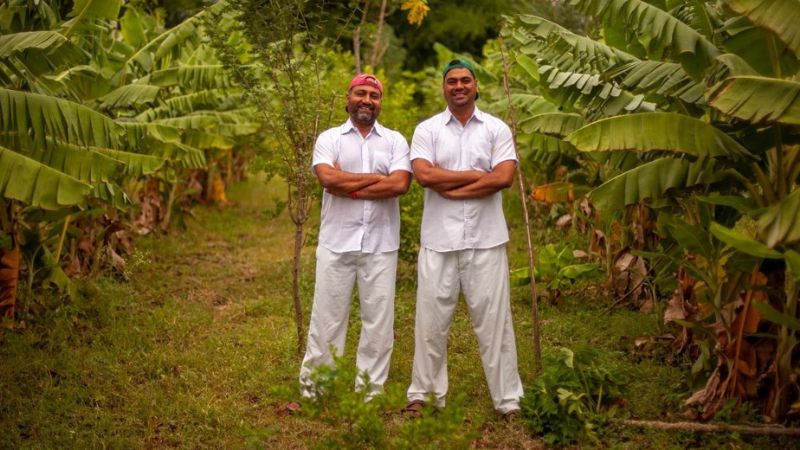
Mumbai: Two Brothers Organic Farms (TBOF), founded by fourth-generation farmers Satyajit and Ajinkya Hange, is making waves not only in the world of organic farming but also in the promotion of Indian farming traditions and healthy living. Their recent community outreach into the United States has opened up a fascinating narrative of determination, cultural exchange, and sustainable agriculture.
TBOF has trained over 16,000 farmers in organic farming and helped convert over 2000 acres of farmloand to organic and sustainable practices, and now employs over 300 local village men and women in its procesing facilities.
Under Satyajit’s leadership, Two Brothers Organic Farms has become a platform for organic farmers to take their produce to market under a common seal of trust. The company offers a range of natural products made from ingredients like Cultured A2 Ghee, Khapli Whole wheat atta, Groundnut wood-pressed oil, and Amlaprash. Two Brothers has a regenerative organic, ECOCERT-certified 21-acre farm in Maharashtra, which gives the company a supply chain advantage. The company has set up farmer institutions to teach local farmers about the benefits of organic farming and how to do it correctly.
Indiantelevision.com caught up in an email interaction with one of the founders Satyajit Hange, who shared some insights of their brand…
Edited excerpts
On the story behind the founding of Two Brothers Organic Farms
The journey of Two Brothers Organic Farms (TBOF) began when the two founders, Ajinkya Hange and I (Satyajit Hange), decided to leave our lucrative careers in banking to return to our roots and become farmers. We were inspired by our childhood memories of life on a farm and the allure of native, nourishing, and natural food. Despite warnings from peers, we chose to pursue farming as a noble and healing profession. TBOF is located in Bhodani, Maharashtra, India, and spans 23 acres. It is a Regenerative Organic Farm, ECOCERT Certified, focused on biodiversity and self-sustainability.
On your brand establishing a strong connection with consumers
TBOF adopted organic farming practices to prioritize sustainability and health. Our commitment to organic farming is driven by the desire to heal soil, improve soil nutrition, and create food that is free from chemicals and rich in nutrition. We have also focused on sequestering carbon from the atmosphere, contributing to efforts to combat desertification and climate change. TBOF’s work is guided by the principles of Regenerative Organic farming, and we aim to create a hopeful future for the planet by restoring soil and promoting rural livelihoods.
Moreover, organic certification is essential to building trust with consumers. At TBOF we follow a rigorous organic certification process from recognized bodies. These certifications validate the farm’s commitment to organic practices and ensure the quality and integrity of our products. The certifications demonstrate compliance with strict organic standards, further building confidence among consumers in TBOF’s organic offerings.
On any food alternatives that your brand has undertaken to promote eco-friendly practices?
Transparency is a core value for TBOF, and we maintain open communication with customers about our farming practices, sourcing, and production methods. We provide detailed information about organic farming techniques, natural fertilizers, composting, and crop rotation. We also emphasize our direct partnerships with small farmers across India who practice 100% natural farming and grow native variety crops. We use various communication channels, including our website and social media, to ensure transparency and build trust with customers.
On the International Year of Millets
The International Year of Millets is a global initiative that aims to raise awareness about the nutritional and environmental benefits of millets. Millets are drought-resistant, nutrient-rich grains that have the potential to contribute to food security and climate resilience. The significance of this initiative lies in promoting millets as a sustainable and eco-friendly alternative to traditional grains like rice and wheat. Millets require less water and are well-suited to marginal and arid lands, making them a valuable crop for sustainable agriculture and addressing global food security challenges.
On future plans or innovations that your brand has in store for their brand and products?
We have developed a comprehensive set of plans to drive future growth and expansion. One key strategy involves a shift in our marketing approach, moving from selling directly to vendors to partnering with prominent retailers like Star Bazaar in malls. This transition is driven by the need for cold chain storage facilities to maintain the freshness of their food products.
As part of this strategic shift, TBOF has introduced new product offerings to cater to consumer preferences and market demands. For example, we have expanded our product line to include A2 Cultured Ghee as a prominent item. We have also transformed sugarcanes into jaggery and shifted our focus from selling groundnuts to marketing groundnut oil. Notably, our A2 ghee has gained significant popularity, positioning the business primarily as a business-to-consumer (B2C) firm. While B2B operations continue, we are now exclusively conducted in Dubai.
To further augment our growth prospects, TBOF is actively seeking strategic partnerships. These collaborations aim to extend TBOF’s market presence to the United States and Europe, allowing us to tap into new markets and establish a robust international footprint. By leveraging such strategic partnerships and expanding our product portfolio, we aim to grow our customer base, penetrate new markets, and continue our journey as a leading and innovative organic grocery brand.