Brands
Tata Trusts campaign urges India to rethink dementia as loss of identity
Vajood Rahe Maujood’ asks families to spot early signs and start conversations sooner


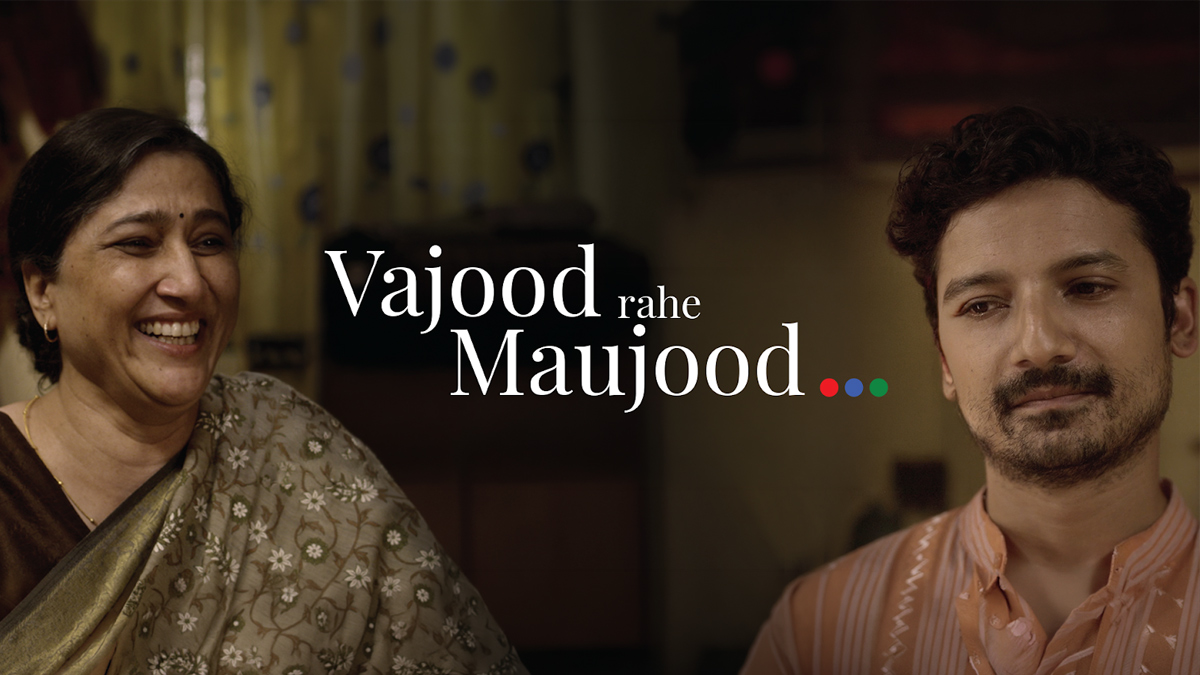
Mumbai: What if dementia takes more than memories? What if, little by little, it starts taking away the person behind them? That is the question at the heart of Tata Trusts’ new awareness campaign, ‘Vajood Rahe Maujood’, launched during World Alzheimer’s Month to encourage India to look beyond memory loss and recognise dementia as a condition that can gradually affect a person’s identity.
The campaign is built around insights from people living with early-stage dementia, caregivers and medical experts. Its central message is that dementia can progressively alter the roles, relationships and everyday abilities that make up a person’s sense of self.
The campaign seeks to encourage families to recognise small changes, start difficult conversations earlier and take steps to preserve the identity of loved ones for as long as possible.
In India, early signs of dementia are often dismissed as a normal part of ageing. Phrases such as ‘Budhapa aa gaya’ or ‘Bhulne ki bimari’ can reduce a complex condition to simple forgetfulness, potentially delaying recognition and intervention.
India’s rapidly ageing population makes the issue increasingly urgent. By 2050, the country is projected to have more than 347 million people aged 60 and above, creating a growing need for greater awareness and early action around dementia.
“Of the various barriers that dementia faces in India, the biggest is a lack of awareness, the misestimation, the misattribution and the dismissal,” said Tata Trusts head of brand and marketing communications Shilpi Ghosh.
She said the campaign deliberately focuses on people showing mild symptoms, while the insight around the “loss of identity” provided a way to create communication that could encourage action without becoming preachy.
The campaign’s strategic communications were developed by Wolfzhowl. Its founder and chief of strategy Kalyan Challapalli said the research showed that dementia cannot be treated only as a health issue.
Its impact, he said, extends to caregivers, families, healthcare systems and the wider economy. The agency describes this interconnected impact as the “Butterfly Effect”.
Another challenge was language. Research found an absence of widely used regional-language vocabulary to describe dementia and its early changes, making the condition easier to overlook.
The campaign therefore attempts to create a simpler common language around dementia, helping families identify, discuss and act on changes before they become more pronounced.
Turning that insight into a film was another creative challenge. Rather than producing a conventional public service announcement, the campaign uses a short film centred on an everyday mother-son relationship.
“The creative challenge was to make something as invisible as identity loss felt without reducing dementia to a list of symptoms,” said Keigan Pinto, creative chief, writer and director.
The film uses a poem written by a son for his mother on her birthday as its central device. Through the poem, he begins a difficult conversation with his mother while approaching the subject with empathy.
The film features Geeta Agarwal Sharma, known for Laapataa Ladies and 12th Fail, as a mother showing early signs of dementia, while Priyanshu Painyuli plays her son and primary caregiver.
The decision to make a woman the protagonist also reflects the disproportionate impact of dementia on women. At the same time, the film reverses the conventional caregiving dynamic by placing the son in the role of primary caregiver.
The aim is to encourage more men to take an active role in caregiving and make difficult conversations around dementia a part of family life.
The case for acting early is significant. The Tata Trusts campaign cites estimates that around 45 per cent of dementia cases could potentially be prevented or delayed. Changes associated with dementia can also begin 10–20 years before symptoms become apparent, making awareness, screening and diagnosis particularly important.
With ‘Vajood Rahe Maujood’, the Tata Trusts is asking families to look beyond the obvious signs of forgetfulness and notice the smaller changes that can signal something deeper.
The campaign’s message is simple: when memory begins to fade, preserving a person’s identity may require families to notice, talk and act sooner.