Brands
Tata Motors overhauls board as it splits commercial vehicle unit

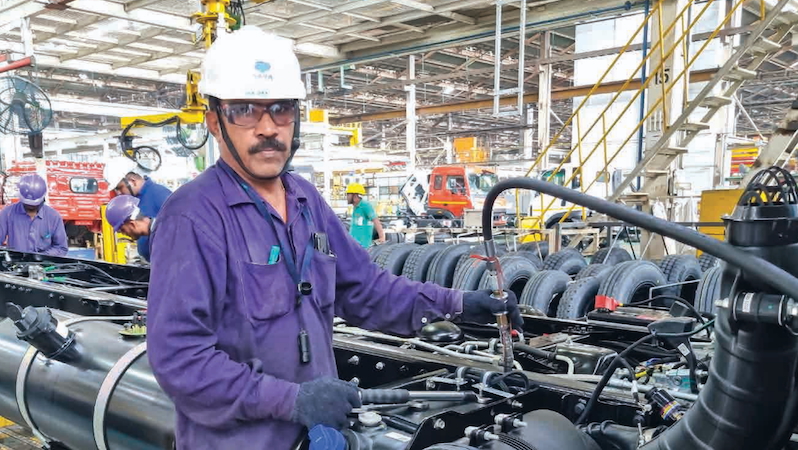
MUMBAI: Tata Motors is reshuffling its boardroom as India’s biggest carmaker prepares to spin off its commercial vehicle business into a separate listed entity. The Mumbai-based company announced sweeping changes to its leadership on 26 September, with three independent directors stepping down and a new managing director taking the helm.
The biggest change sees Shailesh Chandra appointed as managing director and chief executive, replacing Girish Wagh, who will move to head the soon-to-be-listed TML Commercial Vehicles. Chandra, currently joint managing director of Tata Motors Passenger Vehicles and Tata Passenger Electric Mobility, will serve a three-year term from 1 October.
Three independent directors are departing as part of the reorganisation. Hanne Sorensen, a former Tata Consultancy Services board member, will step down on 30 September but remain on the board of Jaguar Land Rover, Tata Motors’ British luxury car unit. Kosaraju Veerayya Chowdary and Guenter Karl Butschek will both leave on 1 October to join the commercial vehicles entity’s board.

Replacing them is Sudha Krishnan, a former senior civil servant who retired in 2020 as member finance to India’s Space Commission and Atomic Energy Commission. Krishnan, who has four decades of experience in public policy and finance, will serve a five-year term as independent director.
The changes come as Tata Motors executes a composite scheme of arrangement approved by India’s National Company Law Tribunal. The demerger, which becomes effective on 1 October, will see shareholders receive one share in TML Commercial Vehicles for every share they hold in Tata Motors.
In another significant move, P B Balaji will resign as group chief financial officer on 17 November to become chief executive of Jaguar Land Rover. He will be replaced by Dhiman Gupta, currently chief financial officer of Tata Passenger Electric Mobility. Unusually, Balaji will rejoin Tata Motors’ board as a non-executive director on the same day he steps down from his executive role.
The restructuring reflects Tata Motors’ strategy to separate its commercial vehicle operations from its passenger car and Jaguar Land Rover businesses. The company is also transferring Rs 2,300 crore worth of non-convertible debentures to the commercial vehicles unit as part of the demerger.
The board changes were approved at a meeting that ran from 2pm to 5pm on 26 September, with all appointments subject to shareholder approval.







Brands
Boeing appoints Barun as head of FP&A for global engineering function
Seasoned finance leader to steer budgets and strategy across global centres
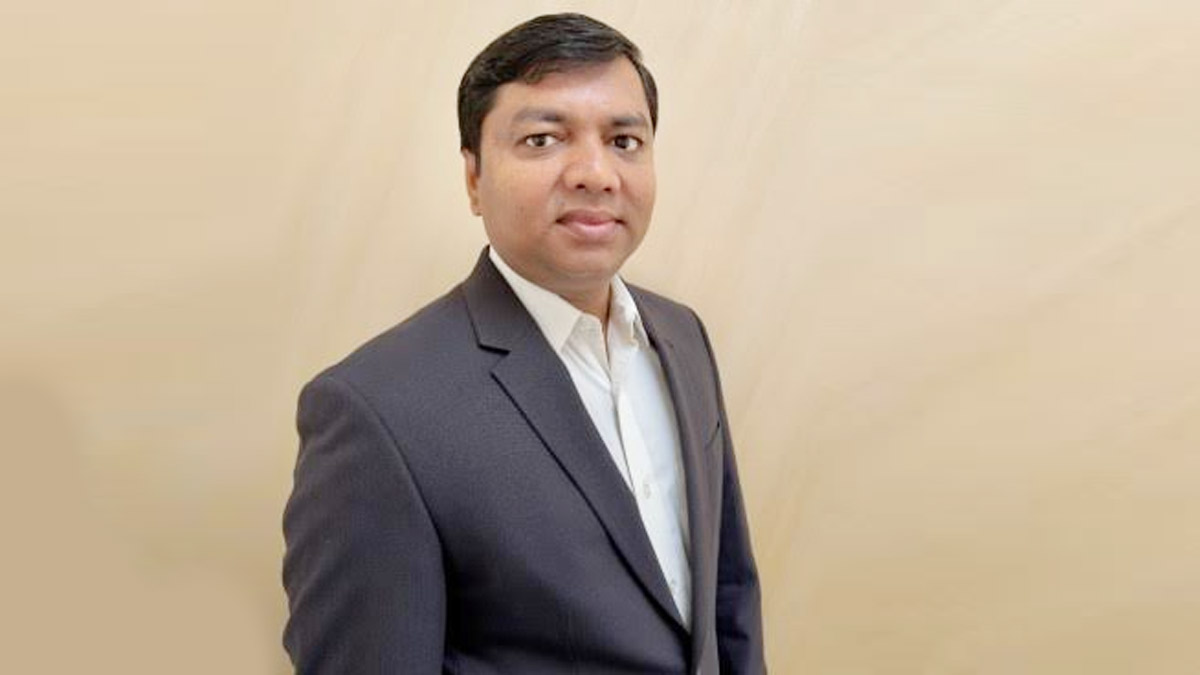
BENGALURU: Boeing’s finance cockpit has a new pilot, and he is no stranger to turbulence or transformation. Boeing has appointed Barun as head of FP&A for global engineering, placing him at the centre of financial strategy for its worldwide engineering and technology operations.
Based in Bengaluru, Barun steps into a role that is as expansive as it is critical. He will serve as the primary finance lead for Boeing’s Engineering and Technology Centers globally, working closely with executive leadership to shape financial decisions, manage complex budgets, and design scalable finance processes that support the company’s growing engineering footprint.
In a note announcing his move Barun said, “I’m excited to share that I’ve joined Boeing Global Engineering. This opportunity is incredibly meaningful to me not just from a professional standpoint, but also for what Boeing represents globally.” He added that he looks forward to contributing to an organisation that continues to shape the future of aerospace and innovation.
Barun’s mandate spans strategic financial leadership, operational oversight, and stakeholder engagement. From directing large-scale budgets and schedules to influencing long-term organisational goals, the role blends financial discipline with business foresight. He will also lead cross-functional teams and partner with finance colleagues worldwide to support engineering programmes across geographies, including India.
The appointment caps a long stint at Juniper Networks, where Barun spent over a decade, most recently as finance senior manager. There, he led FP&A for global product business units and G&A functions, driving budgeting, forecasting, and long-range planning. He also played a key role in enterprise-wide transformation, including spearheading an Oracle to SAP ERP migration and building advanced analytics capabilities using tools such as Tableau and SAP Analytics Cloud.
His earlier career includes finance leadership roles at Sony India Software Centre, Cognizant Technology Solutions, and Mphasis, where he focused on financial planning, governance frameworks, and operational efficiency across global delivery centres.
A chartered accountant from the Institute of Chartered Accountants of India, Barun brings nearly two decades of experience across financial planning, digital transformation, and analytics-led decision making.
His appointment comes at a time when global engineering operations are becoming increasingly complex and distributed, requiring sharper financial oversight and agile planning. With Barun at the helm of FP&A for engineering, Boeing appears to be tightening its financial playbook as it looks to scale innovation with discipline.






