MAM
Streamers 50% of online population; 60% content streaming on mobile devices: GroupM


NEW DELHI: Globally online streaming is getting mainline. Or so it seems. Streamers make up almost 50 per cent of the online population, while over 60 per cent of content streaming, led by music, is now done over mobile devices and much of it can be linked to “moods and moments”, according to a study done by GroupM and Spotify.
The report, put out by GroupM on its website early 2017, says the TV and movie streaming landscape is currently dominated by paid subscriptions, which promise users a high-quality, ad-free viewing experience. The TV and movie streamers make up about 40 per cent of the streaming realm.
According to the study, if the entry price point for TV and movie streaming is typically a monthly subscription fee, the entry price point for music streaming is even better: free. Because while most music streaming services do offer a paid subscription plan—much like the top video services— some, such as Pandora, Spotify, YouTube, and SoundCloud, also offer a completely free listening experience, supported by ads.

The study, undertaken in seven markets, including the US and parts of Europe, further observes that approximately 20 per cent of mobile music steamers report listening to music while out running errands and 30 per cent say they listen to music while showering.
Streaming audio and video content now play a constant role in people’s daily lives—and this drives a whole new set of consumer behaviours that the analysts like to call the streaming mindset. GroupM feels as people clamour for more content that they can get anytime, anyplace, their consumption habits span a wider range of media types and drive higher engagement across their day. The result is a greater value on access to content over ownership.


As streaming becomes standard, it’s now an expectation for consumers to have access to all media, all the time. In the process, the concept of “ownership” has become outdated. The study found that streamers are 23 per cent more likely than non-streamers to report valuing access to content over ownership, not only for music but for TV and movie content as well. “Controlling for demographic variables, this sentiment runs true across generations. Similarly, streamers in more mature markets (for example, the US) are more likely to endorse an access mindset, suggesting that the sentiment indeed grows over time,” the study observes.
“Today, streamers make up almost 50 per cent of the online population, according to our survey. So it’s time to see streaming as the norm rather than the niche— as an integral piece of your media plan rather than an afterthought,” observes Rob Norman, Chief Digital Officer, GroupM, adding that for brands and marketers, these on-demand, on-the-go streaming services have the potential to provide unprecedented levels of consumer under¬standing.
This ‘moods’ and ‘moments’ approach has the potential to open up about $220 million in new ad revenue in the seven markets surveyed, AdAge comments.
For this study, GroupM paired Spotify’s streaming data for its +100 million users alongside GroupM’s LIVE PANEL, a 30-market consumer resource panel built from a Lightspeed database of 5.5M consumers. To add some context to the product and LIVE PANEL data, GroupM also surveyed 20,000 people around the globe to uncover the streaming state of mind.

“Our results reveal rising trends, key metrics, and important truths that can ultimately help make sure your media plan is future-proof, built around high-quality content and made for the consumers of tomorrow,” Norman explains.






MAM
Promotedge marks 11 years with expansion into D2C and performance marketing
Kolkata-based agency strengthens global footprint and launches new platforms.
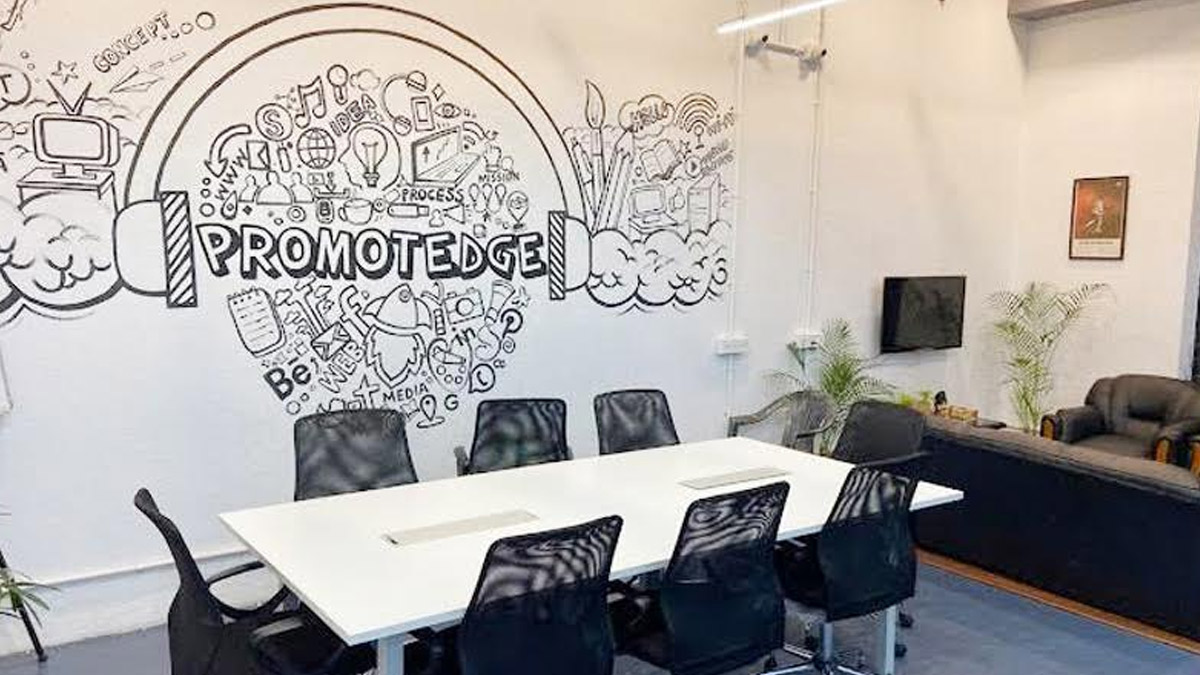
MUMBAI: Promotedge has spent 11 years quietly building momentum and now it’s ready to take a much bigger leap. The Kolkata-based integrated marketing and branding agency, founded in 2015, has completed 11 years of steady growth, evolving from a local creative firm into a full-service marketing partner with a growing international presence. With operational hubs in the US and Canada through its platform PromotEdgeDigital, the agency now serves clients across India, the US, Canada, Australia, and the Middle East.
Over the past 11 years, Promotedge has partnered with more than 200 businesses across diverse industries. Guided by its “Digitally Desi” philosophy which blends cultural insight with data-driven execution, the agency offers end-to-end services including web solutions, digital marketing, creative design, brand planning, and audio-visual production.
In its eleventh year, the agency made significant strides by developing branded IPs and content series for the automotive and industrial sectors, creating audio-visual content for international sporting bodies like the Fédération Internationale de Volleyball, and strengthening its performance marketing capabilities, particularly on quick-commerce platforms such as Zepto, Blinkit, Flipkart, and Swiggy Instamart.
To further boost its D2C focus, Promotedge has integrated the operations of Fizzle Digital into its performance marketing division, now led by founders Avi Saraf and Jhalak Agarwal. The agency continues to serve B2B clients in sectors like steel, energy, engineering, and infrastructure.
Beyond traditional services, Promotedge has introduced new platforms. DesiMachines is an online marketplace for heavy engineering and construction equipment, supported by two financial institutions and six top OEMs. The agency also launched Pexora, a joint venture with Prodigy focused on workspace design, branding, experiential marketing, and Digital Out-of-Home (DOOH) solutions in Eastern and North Eastern India.
Additionally, Promotedge nurtures The Trip Space, a boutique travel brand that curates personalised, luxury journeys for high-net-worth travellers.
Promotedge CEO Saurav Agarwal said, “PromotEdge has always been built with a long-term vision. Our goal is to develop capabilities that provide long-term value to our clients.”
As it approaches its 12th year, the agency plans to expand its global clientele, deepen D2C and performance marketing capabilities, invest in AI-enabled solutions, and strengthen its platform-led initiatives.
From a modest start in Kolkata to building platforms and partnerships across borders, PromotEdge is proving that smart, culturally rooted marketing can travel far and deliver real impact. The agency is clearly gearing up for an even bigger chapter ahead.






