MAM
Somany Ceramics styles Mumbai Airport
Somany Ceramics Limited, an internationally acclaimed organization that specializes in ceramics and allied products segment and known to be a leader in design and innovation, has recently executed an outdoor campaign at Mumbai International Airport.
The campaign was done in association with Times OOH to target niche flying travellers to promote, Germ Shield tiles powered by Germ Shield Technology at the Domestic Departure, SHA of T2, Mumbai Airport.
Somany chose to place its ad on multiple media units installed at the domestic departure security check-in of the Mumbai Airport to captivate the attention of departing fliers. The units presented the Somany Tiles and Bathware’s brand campaign focusing on the patented hard coat technology VC Shield which is ‘Built to Last’.
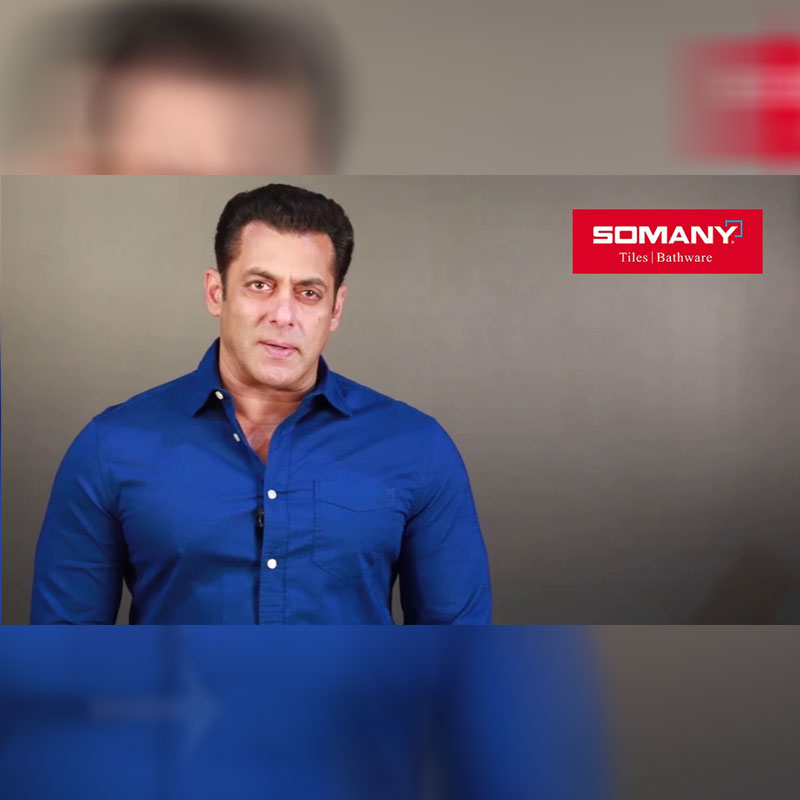
Somany Ceramics marketing head Vivek Gupta says, “Airport media is so substantial to us. The premium pillar media located at security check-in area are very strategically placed, and it will give a big boost to Somany as a brand to entice passenger’s eyeballs when they are waiting for security frisking. The brand campaign with Salman Khan will also showcase Somany’s humble and rooted approach with the tag line “Zameen se Judey”. Moreover, Salman’s personality, will help bring forth campaign’s essence, which is, ‘no matter how high you soar or how successful you are, you should always be rooted & remain grounded.”
“We are proud to partner Somany Ceramics in delivering such impactful branding exercise that would have a long-lasting positive association in the minds of the passengers.Airport advertising has offered brands a niche target audience, which no other medium can offer with such low distraction and high dwell time. The current situation has led to even higher dwell times at the airports due to the safety measures.” said Times OOH Sumit Chadha.

Brands
Hyundai and TVS Motor partner to develop electric three wheelers
Joint development pact targets last mile mobility with localisation push
MUMBAI: Three wheels, one big ambition and a charge towards the future. Hyundai Motor Company and TVS Motor Company have signed a joint development agreement to co-create electric three-wheelers (E3Ws), aiming to crack India’s complex last-mile mobility puzzle. The collaboration moves beyond concept talk into execution mode, building on the E3W prototype first showcased at the Bharat Mobility Global Expo 2025. The goal now is clear, design, develop and commercialise a purpose-built vehicle tailored to Indian roads, riders and realities.
Under the agreement, Hyundai will lead design and co-development, bringing its global R&D muscle and human-centric engineering approach to the table. TVS Motor, meanwhile, will anchor the product on its electric platform, leveraging deep three-wheeler expertise and local market insight. It will also handle manufacturing and sales in India, with an eye on exports down the line.
The timing is strategic. India remains the world’s largest three-wheeler market, where affordability, durability and adaptability often outweigh sheer innovation. The upcoming E3W aims to strike that balance combining advanced technology with practical features such as adaptive ground clearance for monsoon-hit roads, improved thermal management for tropical climates, and flexible interiors suited for passengers, cargo or emergency use.
A key pillar of the partnership is localisation. Major components will be sourced and manufactured within India, a move expected to strengthen the domestic supply chain, create jobs, lower costs and improve after-sales support.
The shift from prototype to production will involve rigorous testing, certification and refinement to meet regulatory standards and consumer expectations. Dedicated cross-functional teams from both companies are already in place to accelerate timelines.
At a broader level, the tie-up reflects a growing trend in mobility, global players partnering with local specialists to navigate emerging markets. For Hyundai and TVS, the bet is that combining scale with street-level insight could unlock a new chapter in sustainable urban transport, one that runs not just on electricity, but on relevance.