AD Agencies
Sharma takes the wheel as Omnicom and IPG merge their Indian media empires

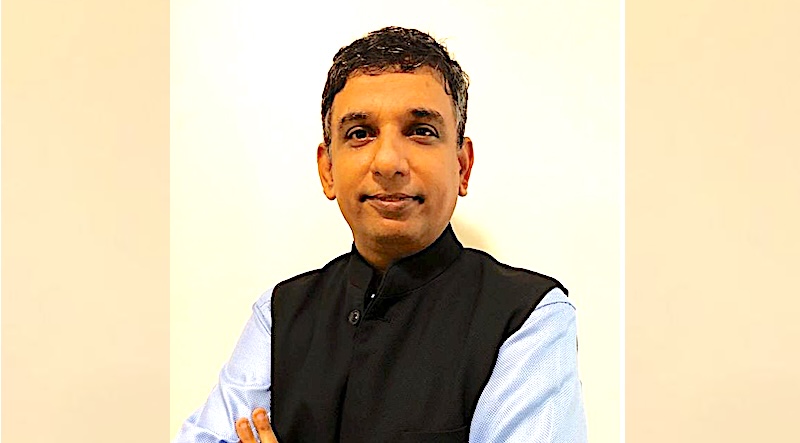
MUMBAI:The media marriage is official, and India has its ringmaster. Kartik Sharma has been handed the keys to Omnicom Media India, the freshly minted behemoth born from the $30 bIillion merger of Omnicom and IPG—the deal that will create the world’s largest advertising and marketing colossus by revenue.
Sharma, who has steered Omnicom Media Group India since 2020, will now preside over the delicate task of fusing two sprawling media operations into a single, muscle-bound trading machine. His deputy? Amardeep Singh, elevated to chief operating officer. And keeping a watchful eye as strategic adviser: Shashi Sinha, the industry veteran who previously helmed IPG Mediabrands and is now tasked with steering the combined ship across India.
It’s a power trio with a Herculean to-do list. Sharma’s immediate brief: preserve marquee client mandates whilst stitching together disparate trading desks, measurement frameworks and identity infrastructure across linear TV, connected TV, over-the-top platforms and performance channels. The prize? Pooled buying clout in a softer gross rating point market, standardised brand-lift metrics for multinational clients, and a crack at lucrative retail media and commerce mandates.
The merger—announced in December 2024 with targeted cost synergies of around $750 million —has been hoovering up regulatory approvals through 2025 and is expected to close in the second half of the year. For India, the combined portfolio is a veritable smorgasbord: marquee media brands from both stables and a client roster spanning fast-moving consumer goods, automotive, technology, banking and e-commerce.
Industry watchers reckon the merged operation will run a unified profit-and-loss account with a common trading desk and conflict-management protocols for touchy categories. Legacy agency brands—OMD, PHD, Hearts and Science, UM, Initiative and Mediahub—will likely continue facing clients in the near term whilst back-end tech, analytics, finance and billing get quietly consolidated behind the scenes.
Execution risk? Plenty. Stitching together platforms, reconciling data taxonomies and aligning commercial terms is no small feat. But the scale story is compelling: a broader toolkit and more negotiating heft for clients, assuming the integration doesn’t implode mid-flight.
Globally, Omnicom has positioned the tie-up as creating the industry’s most innovative platform. In India, that ambition now rests squarely on Sharma’s shoulders. With regulatory sign-offs progressing and the deal on track to close later this year, attention will turn sharply to pitch outcomes, connected TV wins, retail-media conquests—and whether this newly assembled juggernaut can convert sheer scale into market-share gains.
Meanwhile, Sinha’s appointment extends beyond India. An internal memo from Tony Harradine, chief executive for Asia-Pacific, confirmed that Sinha will advise the combined Omnicom-IPG media unit across the entire region, lending his decades of nous to what promises to be a fiendishly complex integration.
The merger may be a done deal on paper, but the real test begins now: can Sharma & Co. turn two rival operations into one well-oiled machine—or will the wheels come off before the ink dries?