MAM
Shamik Guha takes charge at EssenceMediacom: From baby oils to big brands


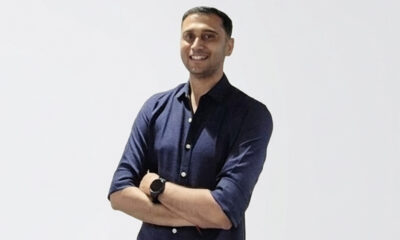
MUMBAI: Shamik Guha has swapped healthcare for high-stakes hygiene as he steps into the role of general manager – client services at EssenceMediacom, where he’ll now steer the media strategy for FMCG titan P&G.
From baby oils to baby steps in data science, Guha’s journey reads like a masterclass in media evolution. With over 18 years of industry hustle—spanning Emami, Lintas, OMD, Dabur, Abbott, and now EssenceMediacom—he’s worn every media hat from planner to P&L boss.
At Abbott, he helped nutritional juggernauts like Pediasure and Ensure bulk up in market share, while tightening cost controls and orchestrating full-funnel media. Before that, his time at Dabur saw him blend Ayurveda with mass-market savvy, launching new SKUs and managing crores in baby and women’s health categories.
From pushing IPL impact buys at Freecharge to stoking strategy at Dabur and crunching data at Seagull, Guha’s career has been one long pitch-perfect campaign. Now, with P&G’s mighty portfolio on his media menu, expect the playbook to only get sharper
.
New gig, same hustle. Shamik Guha’s back on the agency side—and he’s not playing small.







Brands
Charlotte Tilbury opens first flagship store in India
Luxury beauty brand bets on immersive retail as India expansion gathers pace
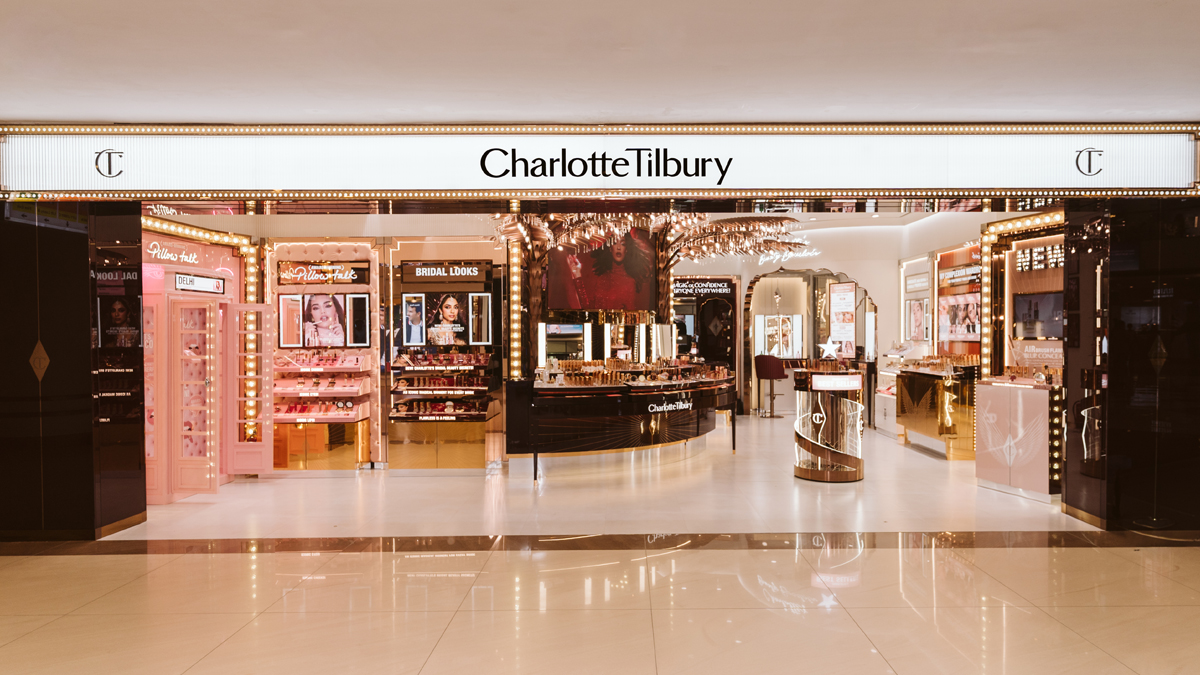
NEW DELHI: Charlotte Tilbury has opened its first flagship Beauty Wonderland in India, planting a high-glamour marker in New Delhi as global beauty brands double down on the country’s fast-growing premium market.
Located at Nexus Select Citywalk in Saket, the store is operated end-to-end by Nykaa, deepening a partnership that began with the brand’s digital launch in India in 2020 and has since scaled across retail, marketing and distribution. The opening signals a shift from marketplace presence to standalone brand environments as companies chase long-term equity and consumer loyalty.
The launch was marked by an event on April 9 featuring actor Sobhita Dhulipala, the brand’s first beauty muse in India, underscoring Charlotte Tilbury’s growing cultural push in the market.
“Darlings, I am so excited to open my first-ever flagship Beauty Wonderland in India, in its vibrant and iconic capital, New Delhi,” said Charlotte Tilbury. “This is such a magical milestone for the brand as we continue to grow in one of the world’s most dynamic and exciting beauty markets.”
Tilbury highlighted the brand’s connection with Indian consumers. “India has always been a place of incredible beauty, celebration and transformation. I have been so inspired by the artistry, creativity and passion of our community here. They are true beauty connoisseurs that appreciate next-generation formulas,” she said.
The store is designed as an immersive retail experience, blending the brand’s Art Deco and old Hollywood aesthetic with local cues. A bespoke Royal Indian Arch anchors the space, alongside personalised makeup services tailored to Indian trends and occasions. A dedicated bridal looks wall nods to the country’s strong wedding-led beauty market, while interactive elements such as the Pillow Talk photowall and in-store masterclasses aim to drive engagement.
For the first time in India, the full Charlotte Tilbury portfolio is available under one roof, spanning makeup, skincare and fragrance, including the Fragrance Collection of Emotions and bestsellers such as Magic Cream, Airbrush Flawless Blur Concealer and Pillow Talk products.
Nykaa, which operates 57 doors for the brand alongside its app and website, will now lead end-to-end management of Charlotte Tilbury’s exclusive boutiques in India, covering retail operations, staffing, supply chain, marketing and omnichannel integration.
“Charlotte Tilbury has been one of our most successful and strategic global partnerships,” said Anchit Nayar, executive director and chief executive officer, Nykaa Beauty. “The launch of the first exclusive boutique, fully operated by Nykaa, is a natural next step and reflects our shared long-term commitment to building the brand in India.”
Nykaa’s broader beauty playbook, built on digital-first entry followed by omnichannel scale, now reaches over 42 million consumers and has become a template for global brands entering India. The retailer currently serves 52 million customers through its platforms and runs 276 offline beauty destinations, reinforcing its position as a gateway for international labels.
Charlotte Tilbury, founded in 2013, now operates in over 50 markets with more than 3,000 employees and 500 products across categories, with over 3,000 distribution points globally.
A second standalone store is slated to open at Mall of India in Noida in May 2026, signalling an aggressive retail push.
In a market where beauty is fast turning from aspiration to everyday indulgence, Charlotte Tilbury is not just selling products. It is building theatre, and betting that Indian consumers are ready to buy into the spectacle.






