MAM
Sandip Soparrkar named Cube sport brand ambassador in India

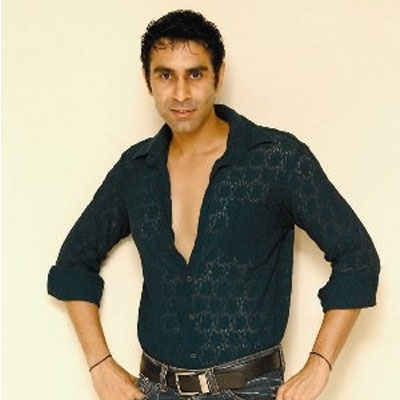
NEW DELHI: Bollywood’s internationally renowned choreographer Sandip Soparrkar is the new brand ambassador for Speed Cubing Mumbai Unlimited (SCMU).
The aim is to bring Bollywood and sports – two of the most loved fields – come closer for the promotion of Cube sport.
Soparrkar, who was recently seen doing a photoshoot with various cubes, said, “I am having a great time. I feel honoured that SCMU asked me to represent them as their brand ambassador. Cubing is a fantastic sport, which sharpens not just the mind but even develops the motor movements in a person. It is an amazing sport for kids as well as adults and I am glad that I have been chosen as the face of the brand.”
The photoshoot will convey that the cube is just not a toy but a complete sport in itself. Cube is not just a hobby for kids but can be helpful for working professionals too to tackle everyday challenges in life and is a great stress buster.
SCMU head Girish Bhatia added, “We are proud to announce our association with Bollywood’s ace choreographer Sandip Soparrkar as our brand ambassador. He got addicted to speed cubing through his cuber son Arjun who shares a similar passion and wants to take speed cubing to a greater level.”
SCMU is a group of speed cubers from Mumbai formed in 2011 by Akshay Rao who later left the group to pursue higher studies. Since then, the organisation has actively promoted Rubiks Cube as a sport and not as a hobby.
The group currently headed by Bhatia has about thirty active members who are collectively referred to as Team SCMU. Since 2011, the team organized and supported over 40 cube competitions, and is the only organization in India to promote speedcubing at a professional level.
Their competition in January 2015 was Asia’s largest competition and world’s eighth largest. Their June 2015 competition was held in Juhu, which turned out to be the world’s largest single day event.
In 2013, the Team made a Rubik cube mosaic of Sachin Tendulkar, which gave them entry into the Limca book of Records for Rubik’s cube for a mosaic made with 6240 cubes.
Their next competition – SCMU Freedom open 2015 – will be held on 15 and 16 August at Phoenix Market City, Kurla, Mumbai. It’s an International competition associated with World Cube Association (WCA), where India’s best talents would compete against time to solve the most challenging Rubik’s cube in a matter of few seconds.