MAM
Samsung claims max women empowerment campaign viewership

MUMBAI: Samsung India’s popular digital campaign showcasing its citizenship initiative ‘Samsung Technical School’ is being claimed to have crossed 80 million views on YouTube in just four weeks of its launch. In this period, the video has been viewed by a record 24 million women, the highest for any advertising video on YouTube in India.
The campaign #SapneHueBade is the fastest growing among women viewers in India. It showcases the true story of a young girl, Seema Nagar, from a small village near Jaipur, who, with her resilience overcomes social stereotypes and becomes a trained technician, making her family proud.

“With the Samsung Technical School initiative, we aim to skill the youth of this country from humble backgrounds by imparting advanced training on latest consumer durables and mobile phones. This initiative contributes to the government’s vision of enhancing skills amongst youth. The brief given to the agency was to deliver a real life story from within Samsung Technical School that would inspire a whole generation of girls to take up technical education and also encourage parents to support the girl child. We are glad that 24 million women have loved and shared it with their family and friends, helping in our attempt to break social stereotypes,” said Samsung India chief marketing officer Ranjivjit Singh.
The digital film showcases how Samsung cares for dreams of girls in India. It revolves around the real life story of Seema Nagar, the trials and tribulations she goes through before entering Samsung Technical School and how it enables her to dream big. The protagonist in the video, who got trained at Samsung Technical School, Jaipur, currently works at the Samsung Service Center in the same city. She is now on her path to realize her dream of opening a service center in her village.
“Advertising stories that celebrate the strong woman usually focus on the superhuman efforts of the trailblazers. In reality, the front line of the fight is in the mundane and the routine. This is where brave girls like Seema Nagar are marking their territory and overturning perceptions every day. Our attempt to bring to life Seema’s journey brought together a terrific acting ensemble. Added to it is the magic of Wadali Brothers’ voices,” said Cheil India executive creative director Tarvinderjit Singh.
Samsung Technical School, which is a part of Samsung’s citizenship initiative, was started in 2013 and aims to support the government’s vision to make India a global manufacturing hub by addressing the need for talented manpower with practical know-how and relevant industry experience. There are 22 such centres set up across India in collaboration with the Ministry of Micro, Small and Medium Enterprises (MSME) and Departments of Technical Education in different states such as Rajasthan, Kerala, Bihar, Delhi, West Bengal, Karnataka and Jharkhand.
Reinforcing its commitment to the government’s ‘Beti Bachao, Beti Padhao’ campaign, Samsung also announced the MSME-Samsung Technical School Scholarship program for girls and differently-abled trainees.
These schools have so far trained over 2,000 youth and made them job-ready across different technical trades. Around 70% of these students have got jobs, 45% of them with Samsung service centres. The initiative is part of Samsung’s ‘Make for India’ initiative and contributes to the government’s Skill India mission.






MAM
Yes Madam introduces 0 per cent commission for pregnant service partners
Home salon platform supports over 7,500 beauty professionals with new welfare policy.
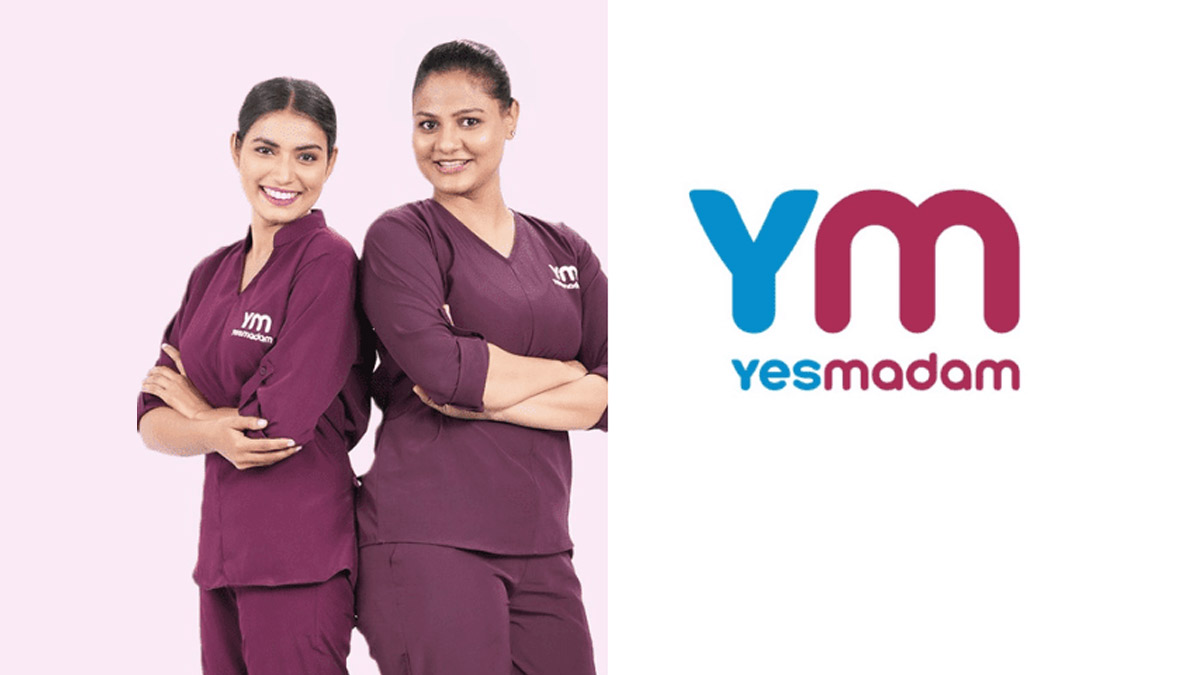
MUMBAI: When life gives you a bump, Yes Madam has decided the last thing a woman needs is a cut in her earnings. Yes Madam, one of India’s fastest-growing home salon and wellness platforms, has announced a 0 per cent commission policy for its pregnant service partners. The move aims to provide greater financial stability and flexibility to its network of over 7,500 trained beauty professionals during this important life stage.
Under the new initiative, pregnant partners will retain their full earnings with no commission deductions, allowing them to focus on their well-being while maintaining income continuity. The decision was prompted by a customer’s social media video that highlighted the experience of a pregnant service professional continuing to work. The customer suggested reducing commission and shortening travel distances for such partners.
Responding to the feedback, Yes Madam co-founder Mayank Arya acknowledged the concern and confirmed that hub restructuring to optimise travel is already underway in phases. He also announced the 0 per cent commission policy for pregnant partners and encouraged them to prioritise rest.
Yes Madam co-founder and CEO Aditya Arya, said the policy reflects the company’s commitment to open communication. “Our partners know they can reach out to us directly, and it’s this personal access that helps us build policies that truly matter,” he noted. “Introducing 0 per cent commission for pregnant professionals is a direct result of listening to their needs.”
Mayank Arya added that the platform has a responsibility to support partners at every stage. “This step is a small but important move in that direction. We actively encourage our service partners to prioritise their well-being and take adequate rest during this time.”
Yes Madam had previously introduced a 0 per cent commission model for its top-performing “Queen Partners.” Extending this benefit to pregnant professionals marks another step in strengthening partner welfare and building a more supportive ecosystem.
In an industry where beauty professionals often go the extra mile, Yes Madam is showing that genuine care should flow both ways especially when one of their own is expecting.









