
MAM
Reuters editor Aditya Kalra marks 18 years at the news agency
The lawyer who never was became one of India’s sharpest business reporters instead


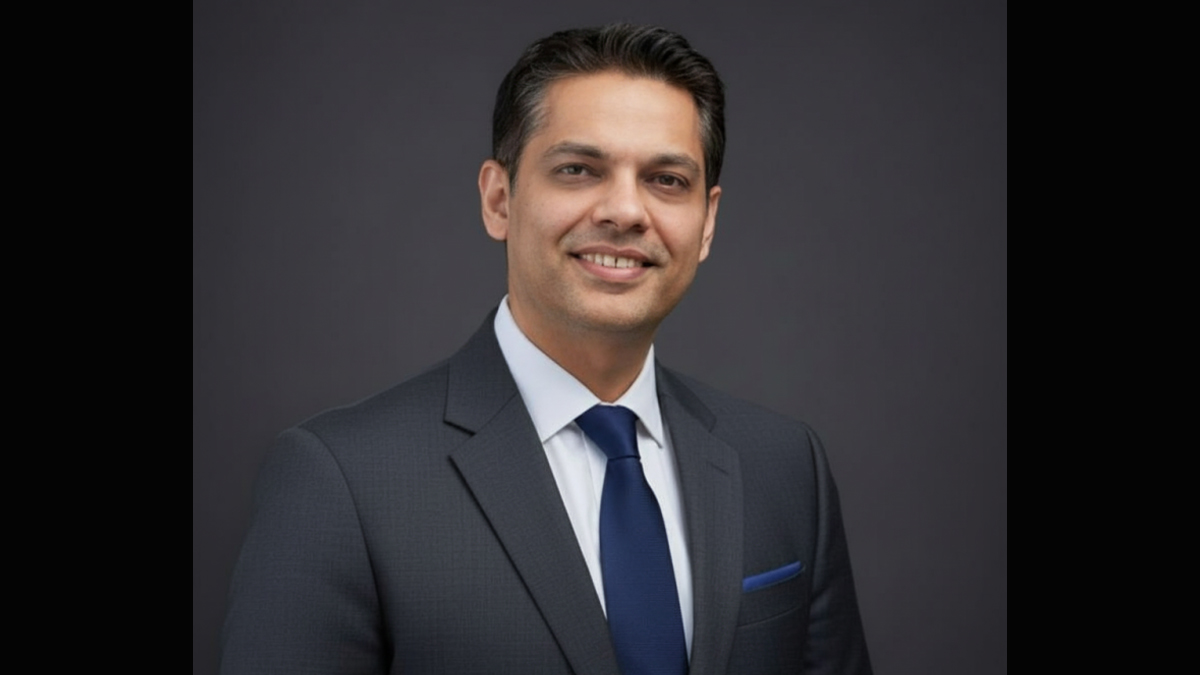
DELHI: Careers rarely begin with conviction, and Aditya Kalra’s is a particularly good example of that. In 2008, freshly fired from his previous job and having just failed the Delhi University law entrance exam, he had no interest whatsoever in journalism. When a friend’s contact mentioned an opening on Reuters’ online team, Kalra said no. He went to the interview anyway, was hired by Madhu Soman, and eighteen years later finds himself editor of company news for Reuters in India, a title that would have struck his younger self as faintly absurd.
What makes the trajectory worth noting is not the accident of its beginning but the discipline of what followed. Kalra spent his first six years on Reuters’ online desk before moving to the wire to report, cutting his teeth on the health ministry, government policy and the tobacco sector, before settling on the beat that would define his career: business news. That progression, from general assignment reporter to the paper’s most senior company-news editor, tracks almost exactly with the period in which Indian corporate journalism itself grew teeth.
His body of work reflects that shift. Kalra has reported deeply on Amazon’s preferential seller practices and product-copying schemes in India, an investigation that forced the e-commerce giant onto the back foot with regulators. He has covered the Ambanis’ Reliance empire and the Adani Group with equal scrutiny, alongside global names such as Tesla, Facebook, Volkswagen, Apple and Google. That is not a beat confined to press releases and earnings calls. It is the kind of reporting that companies actively resist, which is precisely the point Kalra makes himself: journalism, in his words, is about writing what people and companies don’t want written.
The recognition has followed the work rather than the other way round, with a Society of Publishers in Asia award and multiple Ramnath Goenka honours to his name, India’s benchmark for serious journalism. What is easy to overlook amid the accolades is the sheer institutional continuity involved. Eighteen years at a single wire service, rising from online producer to deputy editor to correspondent to special correspondent and finally to editor of company news, is a rare career shape in an industry known for its churn. Reporters typically move between organisations to climb the ladder. Kalra climbed it by staying put and letting the beat deepen under him.
There is something instructive in that for Indian business journalism more broadly. The sector has grown considerably more adversarial and investigative over the eighteen years Kalra has covered it, moving well beyond stenography of corporate announcements into genuine accountability reporting on antitrust battles, foreign investment rules and regulatory capture. Reporters who stayed the course through that shift, rather than moving into corporate communications or policy roles as many peers did, are now unusually well placed to do the work that matters most. Kalra’s own account credits Reuters for allowing him to report “without fear or bias” on the world’s biggest corporate names. Eighteen years and several major investigations later, that claim holds up rather well.






