
Brands
RBI rejects Tata Sons’ bid to surrender CIC registration
Decision puts pressure on Tata Group holding company to address a potential listing


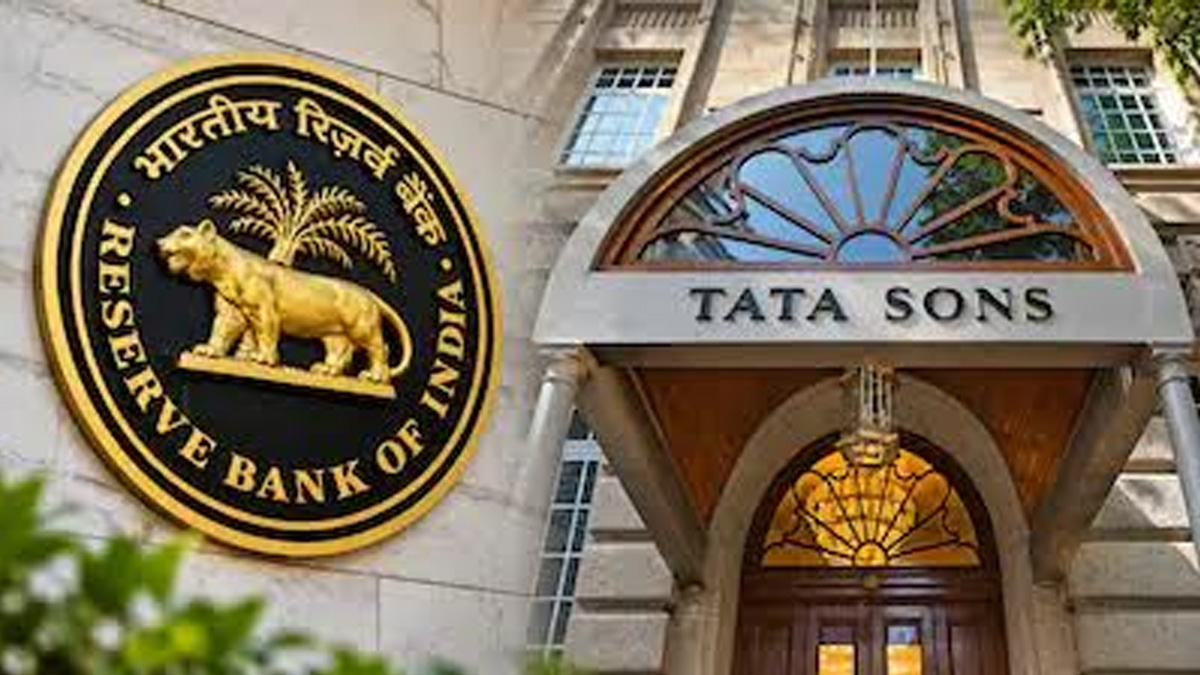
MUMBAI: Tata Sons wanted to exit one regulatory box, but the RBI has effectively kept the door shut and that could leave India’s most closely watched holding company staring at the stock market.
The Reserve Bank of India has rejected Tata Sons’ application to surrender its registration as a Core Investment Company (CIC), Reuters reported, citing two people familiar with the matter. The central bank communicated the decision in a September 11 letter, according to the report.
The rejection matters because Tata Sons has been seeking to give up its CIC status partly to avoid listing requirements applicable to large investment companies. Under the rules, investment companies with assets above Rs 1 lakh crore, or those with direct or indirect access to public funds, are required to list.
Tata Sons had standalone assets of Rs 1.75 lakh crore as of March 2025. Those assets had risen to Rs 2 lakh crore by March 31, 2026, according to The Times of India, putting the holding company well above the Rs 1 lakh crore threshold.
The RBI has also directed Tata Sons to comply with regulations applicable to upper-layer investment companies, TOI reported. The September 11 letter is expected to be placed before the Tata Sons board at its September 17 meeting.
Tata Sons applied on March 28, 2024 to surrender its CIC registration and subsequently repaid its entire debt. The holding company, however, remains privately held while controlling stakes in some of the Tata Group’s biggest businesses, including Tata Consultancy Services, Tata Motors, Tata Steel and Air India.
The RBI’s decision now leaves Tata Sons with fewer easy exits from the listing question. It could move towards an IPO or challenge the central bank’s decision before the Bombay High Court.
The potential listing has already split its shareholders. The Shapoorji Pallonji Group, which owns an 18.4 per cent stake in Tata Sons, has pushed for a public listing. Its shares are pledged as collateral against borrowings, and the private status of Tata Sons limits the group’s ability to sell them freely.
On the other side are Tata Trusts, which hold 66 per cent of Tata Sons and have favoured keeping the company private. The trusts have argued for preserving their long-term stewardship of the group rather than exposing the holding company to public-market valuation pressures and shareholder scrutiny.
Even an IPO would not be a simple matter of ringing the listing bell. Tata Sons’ Articles of Association require majority approval from Tata Trusts’ two nominee directors, Noel Tata and Venu Srinivasan, under Article 121A. Srinivasan has publicly backed a listing, while Noel Tata has opposed it. If the two votes remain divided, the Tata Sons chairman has the casting vote.
That makes the leadership question particularly significant. Chairman N Chandrasekaran announced last month that he would not seek reappointment, with the decision coming amid tensions with Tata Trusts and a reported lack of board backing. His term ends on February 20, 2027.
TOI reported that the prospect of an IPO could prompt the board to ask Chandrasekaran to reconsider, as stable leadership could be considered important for steering Tata Sons through a potential listing.
For Tata Sons, then, the RBI’s answer is not merely a regulatory no. It has pushed the company closer to a much bigger question: can the Tata Group’s private crown jewel continue to stay off the public markets, or is an IPO finally becoming unavoidable?