MAM
Radio ads show steady but modest growth in 2025: TAM AdEx


MUMBAI: If the airwaves could blush, 2025 would have them glowing, because advertisers clearly couldn’t keep their hands off the radio dial. Fresh data from TAM AdEx shows that radio advertising in India continued to hum along in 2025, posting a modest but steady 2 per cent growth over 2024. It is not exactly a sonic boom, but it is enough to suggest that brands still see value in speaking directly into listeners’ ears, especially when the rest of the media landscape is battling for attention.
The longer arc tells a stronger story. Average ad volumes per station have risen by a striking 40 per cent in 2025 compared with 2021, underlining radio’s quiet resilience even as digital platforms dominate headlines.
Quarterly trends reveal a consistent uptick through the year. Average daily ad volumes climbed from 406 hours in the January–March quarter to 436 hours in October–December, marking a 10 per cent jump between the second and fourth quarters of 2025.

That steady rhythm was largely powered by a familiar set of sectors. Services retained its top spot, accounting for a hefty 30 per cent share of total radio ad volumes. Auto, food and beverages, education, and building materials rounded out the top five, with the top ten sectors together commanding 90 per cent of all radio advertising.
At the category level, real estate dominated the dial. Properties and real estate alone accounted for 15 per cent of total ad volumes, making it the leading category in 2025.
Cars followed with an 8 per cent share, alongside retail jewellers at another 8 per cent. Hospitals and clinics, clothing retailers, electronics outlets, and education courses made up the rest of the top ranks. In all, more than 410 categories advertised on radio during the year, though the top ten accounted for 53 per cent of the total share.
Among fast risers, jewellers sparkled brightest, registering an 18 per cent growth in ad volumes over 2024. Car advertising followed with a 15 per cent rise. Some financial and banking categories, meanwhile, posted dramatic surges, with corporate NBFC advertising jumping nearly 79 times year on year.
When it came to advertisers, the automotive sector had a clear edge. Maruti Suzuki India emerged as the top advertiser of 2025, followed by LIC of India.
The top ten advertisers together accounted for 15 per cent of total radio ad volumes, with names such as Tata Motors, Hyundai Motor India, Honda Cars India, SBI, and Muthoot Financial Enterprises featuring prominently. More than 9,500 advertisers used radio during the year, highlighting the medium’s wide appeal.
At the brand level, Maruti Suzuki Arena topped the charts, with Vimal Pan Masala, Jeena Sikho, Muthoot Financial Enterprises, and SBI among the other leading brands. The top ten brands together contributed 7 per cent of total ad volumes.
The medium also saw fresh entrants. More than 4,800 advertisers appeared on radio in 2025 who were absent the previous year. Among these exclusive advertisers, Sapphire Media led the pack.
Geographically, Gujarat emerged as the leading state with a 17 per cent share of radio ad volumes, followed by Maharashtra at 15 per cent. The top five states together accounted for more than 60 per cent of total ad activity.
At the city level, Jaipur topped the list, ahead of New Delhi, Nagpur, Surat, and Indore. The top ten cities together accounted for 63 per cent of total radio ad volumes.
Advertisers clearly had a favourite time to talk to listeners. The evening band (5pm to 10pm) attracted the largest share of ads, followed by the morning slot. Together, these two time bands accounted for 69 per cent of all radio advertising.
As for ad length, the sweet spot remained the 20 to 40 second slot, which accounted for around 68 per cent of commercials in 2025. Longer ads, those over 60 seconds, also saw a 9 per cent rise compared with the previous year.
In an age of scrolls, swipes, and streaming, radio’s steady gains may seem understated. But the numbers suggest a medium that continues to hold its own, especially in regional markets and high-frequency retail categories.
The growth may be just 2 per cent year on year, but with a 40 per cent jump over the past four years, the old-fashioned radio spot still appears to have plenty of life left in it. After all, while screens may steal the spotlight, the airwaves are still where many brands find their voice.






MAM
Beacon Group appoints Dr Rajesh Patel as Group CEO
36-year healthcare veteran to lead Beacon Diagnostics, Vector Biotek, Biogeny.
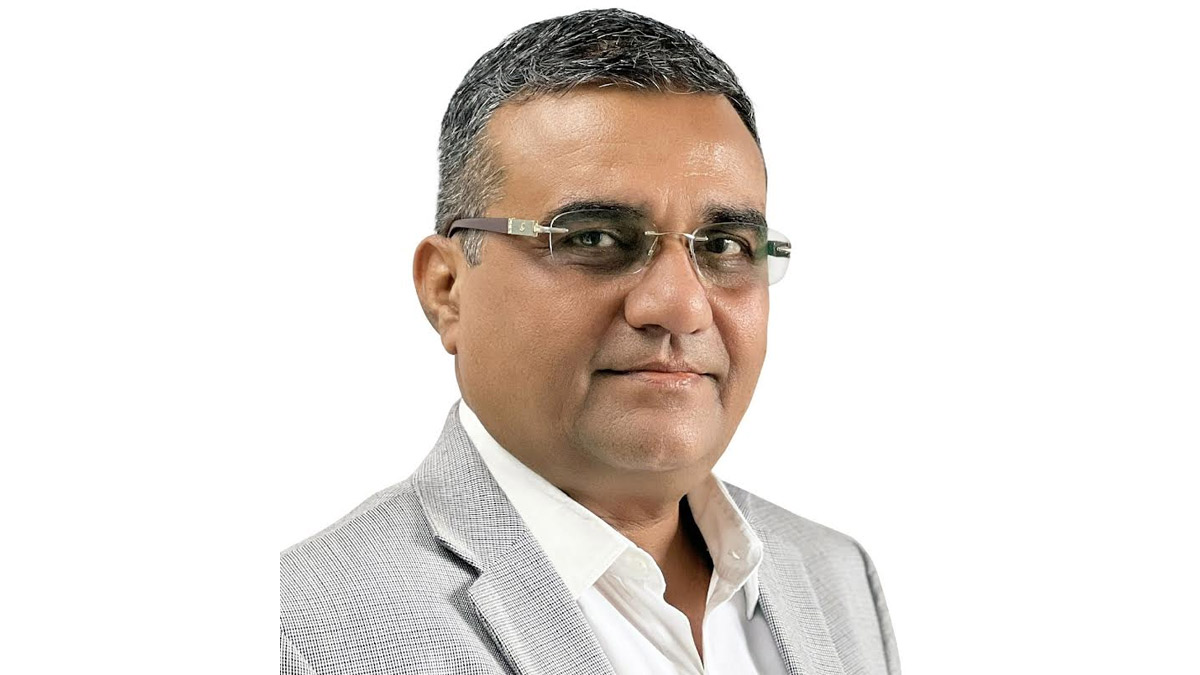
MUMBAI: A new chief, a fresh diagnosis and a sharper prescription for growth. Beacon Group has appointed Dr Rajesh Patel as its Group Chief Executive Officer, effective April 1, 2026, signalling a decisive push to scale its presence in the diagnostics and IVD space. Patel steps into the role with 36 years of experience across the healthcare and diagnostics industry, bringing a career shaped by leadership roles spanning sales, marketing, business development and operational strategy. His mandate is both expansive and precise: to steer the group’s overall strategic direction while tightening coordination across its three core entities Beacon Diagnostics, Vector Biotek and Biogeny Diagnostics.
In practical terms, that means driving cross-company synergies, accelerating market expansion and strengthening organisational capability areas increasingly critical as diagnostic players compete for scale in a fragmented yet rapidly evolving healthcare ecosystem. The group is positioning itself to capture unmet demand across chain laboratories, key accounts and standalone labs, segments that remain underserved despite growing diagnostic needs.
The appointment comes at a time when the In Vitro Diagnostics (IVD) sector in India is entering a more competitive and innovation-led phase, with companies focusing not just on product pipelines but also on service delivery, integration and customer-centric models. Beacon’s leadership appears to be betting that Patel’s execution-focused approach can help translate ambition into operational momentum.
Welcoming the appointment, Chairman Dr D K Joshi described Patel’s induction as a strategic move aligned with the group’s long-term vision, emphasising the role of leadership depth in navigating the next phase of growth.
For Beacon Group, the message is clear, in a sector where precision matters, leadership is the new differentiator—and this appointment is intended to set the tone for what comes next.






